
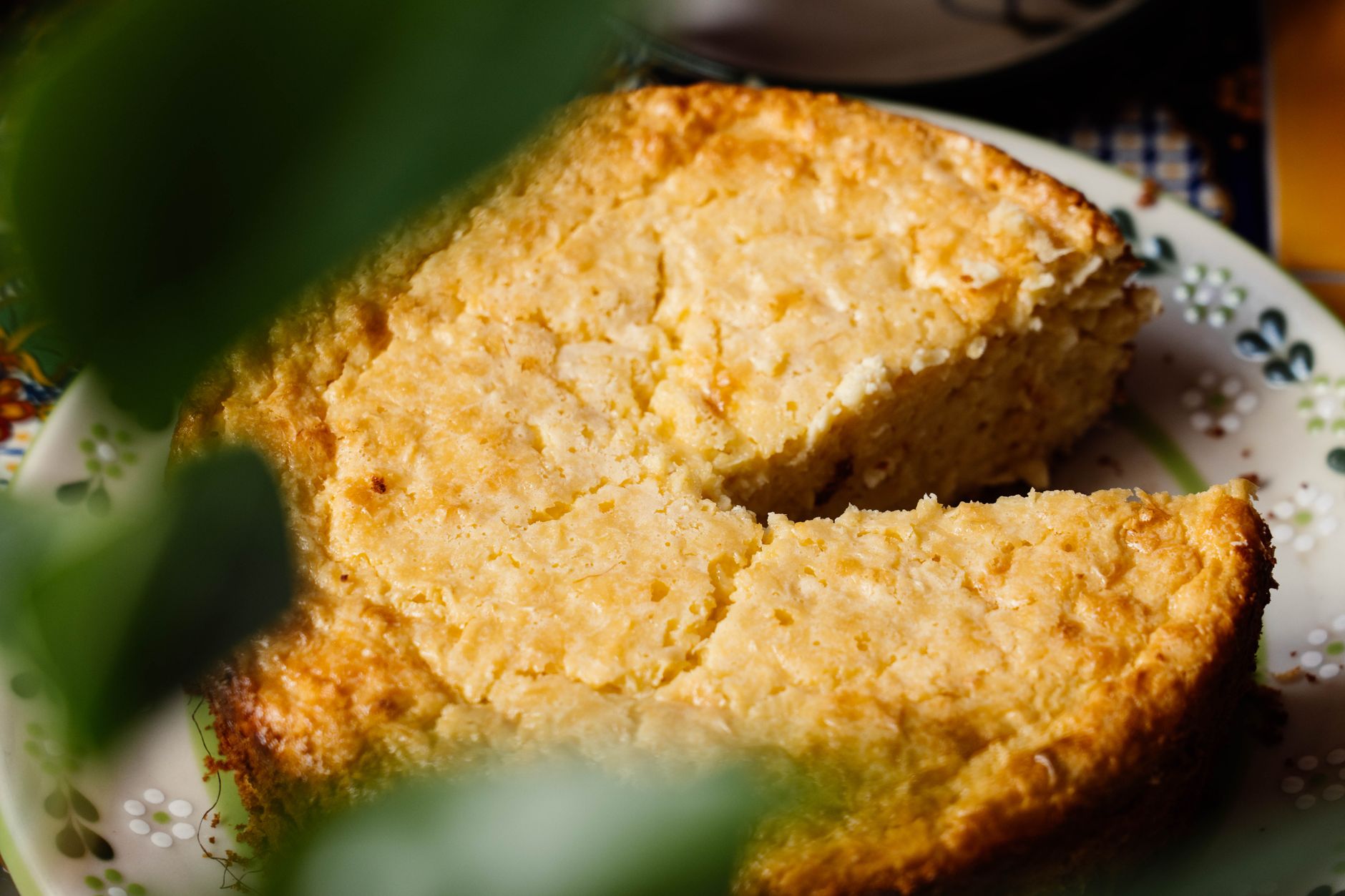
Cornbread is a beloved staple, particularly in Southern cuisine. Its moist texture, slightly sweet flavor, and versatility make it a popular choice as a side dish for meals or as a base for various recipes. Many home cooks sometimes find themselves with extra cornbread and wonder if freezing it is a viable option to preserve its deliciousness.
The good news is that you absolutely can freeze cornbread. Freezing is an excellent way to extend the shelf life of cornbread while maintaining its taste and texture. In this article, we will explore the best methods for freezing cornbread, how to thaw it, and tips for ensuring it maintains its quality once reheated.
Can You Freeze Cornbread?
Yes, you can freeze cornbread effectively. Freezing is a practical method to store leftover cornbread for later use. When done properly, it retains its flavor and moisture, making it easy to enjoy even weeks after baking.
Why Freeze Cornbread?
Freezing cornbread is useful for a variety of reasons:
- Preventing Waste: If you bake a large batch of cornbread and can’t finish it in a timely manner, freezing allows you to save it for future meals.
- Convenience: Having frozen cornbread on hand means you can quickly prepare it as an accompaniment to soups, stews, or chili on busy nights.
- Meal Prep: If you frequently make cornbread as part of your meal prep, freezing portions can help streamline your cooking routine.
- Quality Retention: Freezing preserves the freshness of cornbread without compromising its flavor and texture when thawed and reheated properly.
How to Freeze Cornbread
Freezing cornbread requires some preparation to ensure it maintains its texture and flavor upon thawing. Here’s a step-by-step guide for freezing cornbread:
1. Cool the Cornbread
After baking, allow the cornbread to cool completely in the pan. This prevents condensation from forming, which can lead to sogginess once frozen.
2. Slice or Leave Whole
You can choose to freeze cornbread whole or slice it into individual portions. Slicing can make it easier to thaw only what you need later.
3. Wrap the Cornbread
Use plastic wrap or aluminum foil to tightly wrap the cornbread. Make sure there are no exposed areas to prevent freezer burn. For added protection, you can place the wrapped cornbread in a freezer-safe bag or container.
4. Label and Date
It’s important to label your cornbread with the date it was frozen. This will help you keep track of how long it has been stored and ensure you consume it while it’s still fresh.
5. Freeze
Place the wrapped and labeled cornbread in the freezer. Cornbread can typically be stored in the freezer for up to three months without a significant loss in quality.
Thawing Cornbread
When you’re ready to enjoy your frozen cornbread, proper thawing is essential. Here’s the best way to do it:
1. Refrigerator Thawing
The most recommended method is to transfer the cornbread from the freezer to the refrigerator. This typically takes several hours or overnight and ensures gradual thawing that preserves the best texture.
2. Quick Thawing
If you’re short on time, you can use a microwave. Wrap the cornbread in a damp paper towel and place it on a microwave-safe plate. Use the defrost setting or microwave on low power in short increments of about 15-30 seconds, checking frequently to avoid overheating.
3. Oven Reheating
If you’d like to reheat the cornbread after thawing, preheat your oven to 350°F (175°C). Wrap the cornbread in aluminum foil and heat for about 10-15 minutes, or until warmed through. This will help restore moisture and keep it tender.
Tips for Adding Flavor and Variety
While classic cornbread is delightful on its own, consider experimenting with various flavors and ingredients that can enhance your cornbread experience. Here are some suggestions:
- Add Ingredients: Mix jalapeños, cheddar cheese, or herbs into the batter to give your cornbread a savory twist. Alternatively, try adding honey, cinnamon, or fruits for a sweeter flavor.
- Cornbread Variations: Consider making cornbread muffins or cornbread waffles for a different texture and presentation.
- Accompaniments: Serve your cornbread with butter, honey, maple syrup, or as a side for chili, soups, or barbecued dishes.
Common Mistakes When Freezing Cornbread
While freezing cornbread is generally straightforward, there are common mistakes to avoid to ensure the best results:
- Not Cooling Properly: Freezing warm cornbread can lead to moisture accumulation and freezer burn.
- Improper Wrapping: Failing to wrap cornbread tightly can expose it to air, causing it to dry out or develop freezer burn.
- Freezing with Toppings: If you have added toppings like cheese or toppings, it may not freeze as well. Consider adding them after reheating.
Storage Guidelines for Frozen Cornbread
To maintain optimal quality, follow these guidelines for storing and reheating frozen cornbread:
- Storage Duration: Frozen cornbread can last for about 3 months. After this time, while it may still be safe to eat, the quality will start to decline.
- Check Freezer Temperature: Ensure your freezer is set at 0°F (-18°C) or below to keep food in optimal storage conditions.
- Avoid Refreezing: Once thawed, do not refreeze cornbread. This can lead to texture degradation and a loss of flavor.
How to Tell if Cornbread Has Gone Bad
It’s essential to ensure your cornbread remains in good condition through proper storage and monitoring. Here are signs that cornbread may no longer be suitable for eating:
- Changes in Odor: If the cornbread develops an off-putting or sour smell, discard it.
- Texture Changes: A dry, crumbly texture or excessive ice crystal formation indicates freezer burn and compromised quality.
- Mold Growth: Any visible mold or discoloration is a sign that the cornbread should not be consumed.
Using Frozen Cornbread in Recipes
Frozen cornbread can serve as a versatile ingredient in various dishes beyond being a standalone side. Consider these possible recipe ideas:
- Cornbread Pudding: Use thawed cornbread for cornbread pudding, which can be made sweet or savory depending on your desired flavor profile.
- Stuffing or Dressing: Thawed cornbread works well as a base for stuffing recipes, especially during holidays or special gatherings.
- Cornbread Croutons: Dice and bake thawed cornbread to make flavorful croutons for salads or soups.
Conclusion
Freezing cornbread is an excellent method for preserving and prolonging its delightful taste and texture. With careful wrapping and respect for its storing conditions, you can easily enjoy homemade cornbread weeks after it has been baked. Simply follow the guidelines outlined above to ensure your cornbread remains delicious and ready to complement any meal.
To continue expanding your culinary repertoire, check out our fried cornbread recipe for a crispy variation, or explore the sweet dimensions of our cornbread pudding recipe to delight your taste buds.