
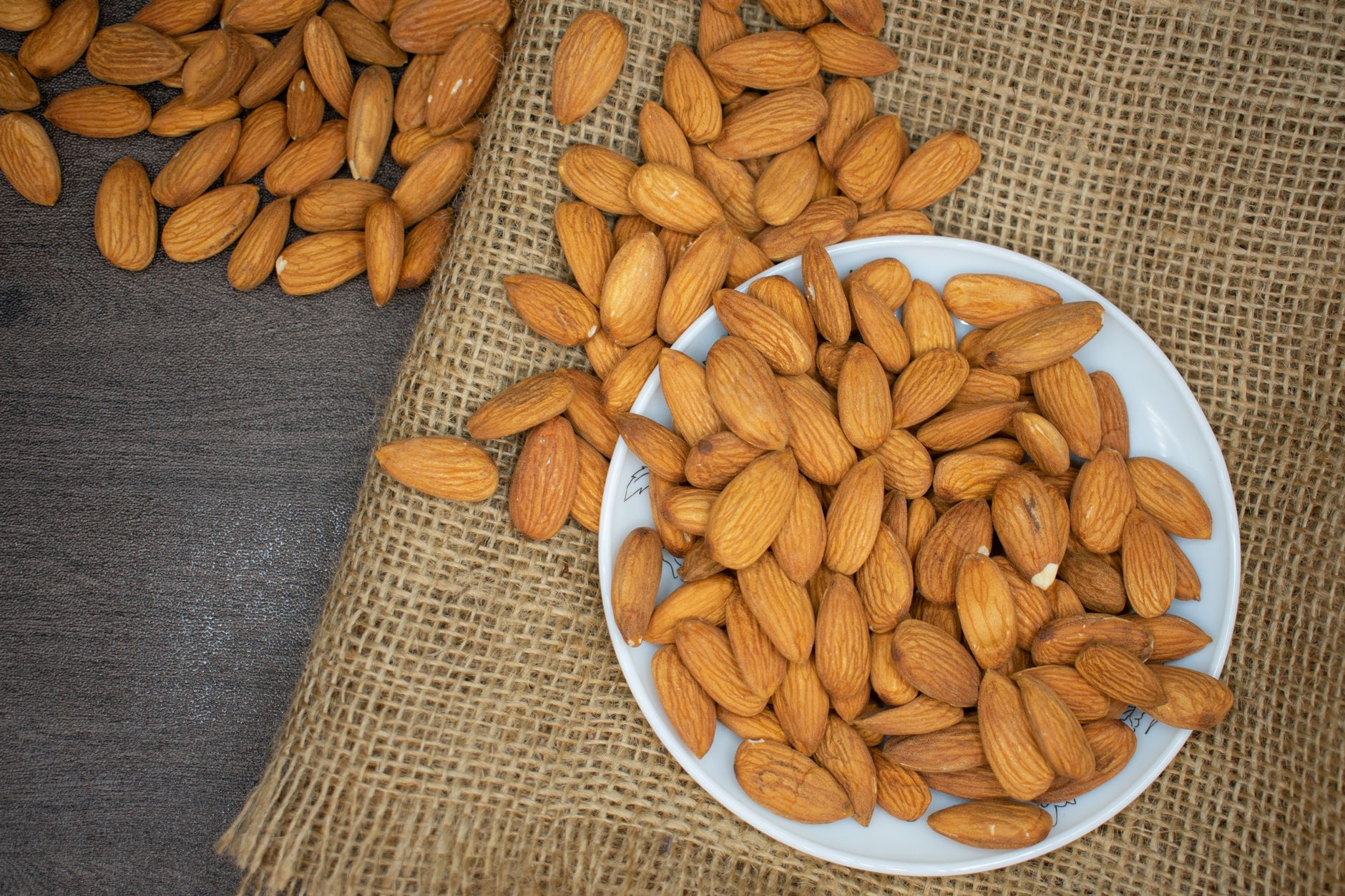
Almonds are a popular ingredient in many recipes, snacks, and desserts, often raising the question: “Is an almond a tree nut?” This article explores almonds in detail, covering their classification, nutritional benefits, culinary uses, and practical substitutes. Understanding whether almonds are tree nuts can help with dietary restrictions and enhance your cooking skills.
The short answer is yes, almonds are indeed classified as tree nuts. They come from the almond tree (Prunus dulcis), which is part of the Rosaceae family. This classification is essential for individuals with nut allergies, as tree nuts can cause severe allergic reactions in some people. Below, we will delve deeper into what almonds are, how they can be used in cooking and baking, and more about their health implications.
What Are Tree Nuts?
Tree nuts refer to a diverse group of hard-shelled fruits that grow on trees. They typically contain a single seed, which is edible, and are distinct from legumes or seeds derived from plants. Common examples of tree nuts include walnuts, hazelnuts, cashews, pistachios, and of course, almonds.
Characteristics of Almonds
Almonds are not true nuts in the botanical sense; they are classified as seeds of the drupe fruit. The almond tree produces a hard outer shell and a fleshy outer layer surrounding the edible seed. There are two main varieties of almonds: sweet and bitter. Sweet almonds are the kind typically consumed raw or used in cooking, while bitter almonds contain amygdalin, which can be toxic in large amounts.
Nutritional Profile
Almonds are renowned for their nutritional benefits. They are packed with healthy fats, especially monounsaturated fats, which are beneficial for heart health. Here’s a brief overview of their nutritional content:
- Calories (per 1 oz / 28 g): 160-170
- Protein: 6 g
- Fat: 14 g (mostly heart-healthy monounsaturated fats)
- Carbohydrates: 6 g
- Fiber: 3.5 g
- Vitamin E: 7.3 mg (37% of the Daily Value)
- Magnesium: 76 mg (19% of the Daily Value)
Almonds also contain antioxidants, which help combat oxidative stress. Regular consumption can support weight management, improve cholesterol levels, and assist in managing blood sugar levels.
Culinary Uses of Almonds
Almonds are incredibly versatile and can be used in a variety of culinary applications. Here are some popular ways to incorporate them into your meals:
Raw and Roasted Almonds
Whole raw or roasted almonds can be enjoyed as a nutritious snack. Roasting enhances their flavor, making them a popular choice for snacking.
Almond Flour
Almond flour is a popular gluten-free alternative to traditional wheat flour. It can be used in baking recipes like cookies, cakes, and pancakes, adding a nutty flavor as well as moisture.
Almond Butter
Made by grinding almonds until smooth, almond butter is a nutritious substitute for peanut butter. Spread it on toast, blend it into smoothies, or use it in baking.
Almond Milk
Almond milk is a popular plant-based alternative to dairy milk. It can be used in cereals, smoothies, and baking, offering a slightly nutty flavor and creamy texture.
Infusions and Extracts
Almond extract is often used in baking to provide a rich flavor. It’s typically stronger than vanilla extract, so a little goes a long way.
Practical Substitutions for Almonds
If you’re looking to substitute almonds in recipes due to allergies or personal preference, consider the following alternatives:
- Pistachios: These can be used interchangeably in recipes, offering a different flavor profile while still providing crunch.
- Cashews: Smooth and creamy, they can work well in blends and sauces, though texturally they differ from almonds.
- Sunflower Seeds: Great for nut-free options, sunflower seeds add a similar crunch without the allergens.
- Walnuts: These have a stronger flavor and are oily, making them suitable for baking or topping salads.
When substituting, consider the flavor profiles and textures of the alternatives you choose to maintain the integrity of the original dish.
Common Mistakes and Troubleshooting
When incorporating almonds into your cooking and baking, some common mistakes can occur. Here are a few tips for avoiding these pitfalls:
- Over-roasting: Almonds can burn quickly, so keep an eye on them when roasting. Toasting in small batches can help you better control the process.
- Incorrect Measuring: Almond flour can pack down differently than all-purpose flour, leading to discrepancies in measurements. Always spoon it lightly into your measuring cup.
- Poor Mixing: When using almond flour in baking, be mindful of how it absorbs moisture. You may need to adjust liquids in your recipe to achieve the desired texture.
Storage Tips for Almonds
Proper storage of almonds is essential to maintain their freshness and flavor. Here are some guidelines:
- Cool, Dry Place: Store whole almonds, almond flour, and almond butter in a cool, dry place away from direct sunlight.
- Refrigeration: For longer shelf life, consider refrigerating or freezing almonds, especially if you buy them in bulk.
- Airtight Containers: Always keep almonds in sealed containers to prevent moisture from compromising their quality.
Health Considerations
While almonds provide numerous health benefits, it’s important to consider portion sizes, especially if you’re watching your caloric intake. A single serving is typically around one ounce, or about 23 whole almonds. It’s also crucial for individuals with nut allergies to avoid almonds, as they can trigger allergic reactions similar to other tree nuts.
Recipe Ideas Featuring Almonds
Here are a couple of ideas to get you started using almonds in your kitchen:
Simple Almond Flour Bread Recipe
This almond flour bread is a delightful, gluten-free alternative that’s simple to make.
- Preheat your oven to 350°F (175°C).
- In a mixing bowl, combine 2 cups of almond flour, 1/4 teaspoon of salt, and 1 teaspoon of baking soda.
- In another bowl, whisk together 4 eggs and 1/4 cup of melted coconut oil.
- Combine the wet and dry ingredients until fully mixed, then pour the batter into a greased loaf pan.
- Bake for 30-35 minutes, or until a toothpick comes out clean from the center.
- Allow to cool before slicing.
Almond Crusted Chicken
This dish offers a delicious way to incorporate almonds into your main meals.
- Preheat your oven to 375°F (190°C).
- In a food processor, pulse 1 cup of almonds until finely chopped. Add 1/2 teaspoon of garlic powder and salt to taste.
- Coat chicken breasts in beaten egg, then dip in the almond mixture to coat.
- Place the chicken on a greased baking sheet and bake for 25-30 minutes or until the chicken is cooked through and the crust is golden.
Cultural Significance of Almonds
Almonds hold considerable cultural significance in various cuisines around the world. They are often associated with celebrations, particularly in Mediterranean, Middle Eastern, and Indian foods. From marzipan to baklava, almonds add both flavor and texture in traditional dishes, showcasing their global culinary relevance.
Conclusion
In summary, almonds are indeed tree nuts and offer a myriad of culinary possibilities, health benefits, and cultural significance. Understanding their versatile nature allows for creativity in the kitchen while being mindful of dietary needs. Whether it’s crafting a nutritious snack or incorporating them into your baked goods, almonds can elevate your dishes with their distinct flavor and crunch. The next time you are in the kitchen, consider reaching for some almonds—or perhaps exploring alternatives if allergies are a concern.
For more delicious ideas, check out our recipe for almond flour bread or our pistachio cream recipe for a delectable treat that showcases these incredible nuts.