
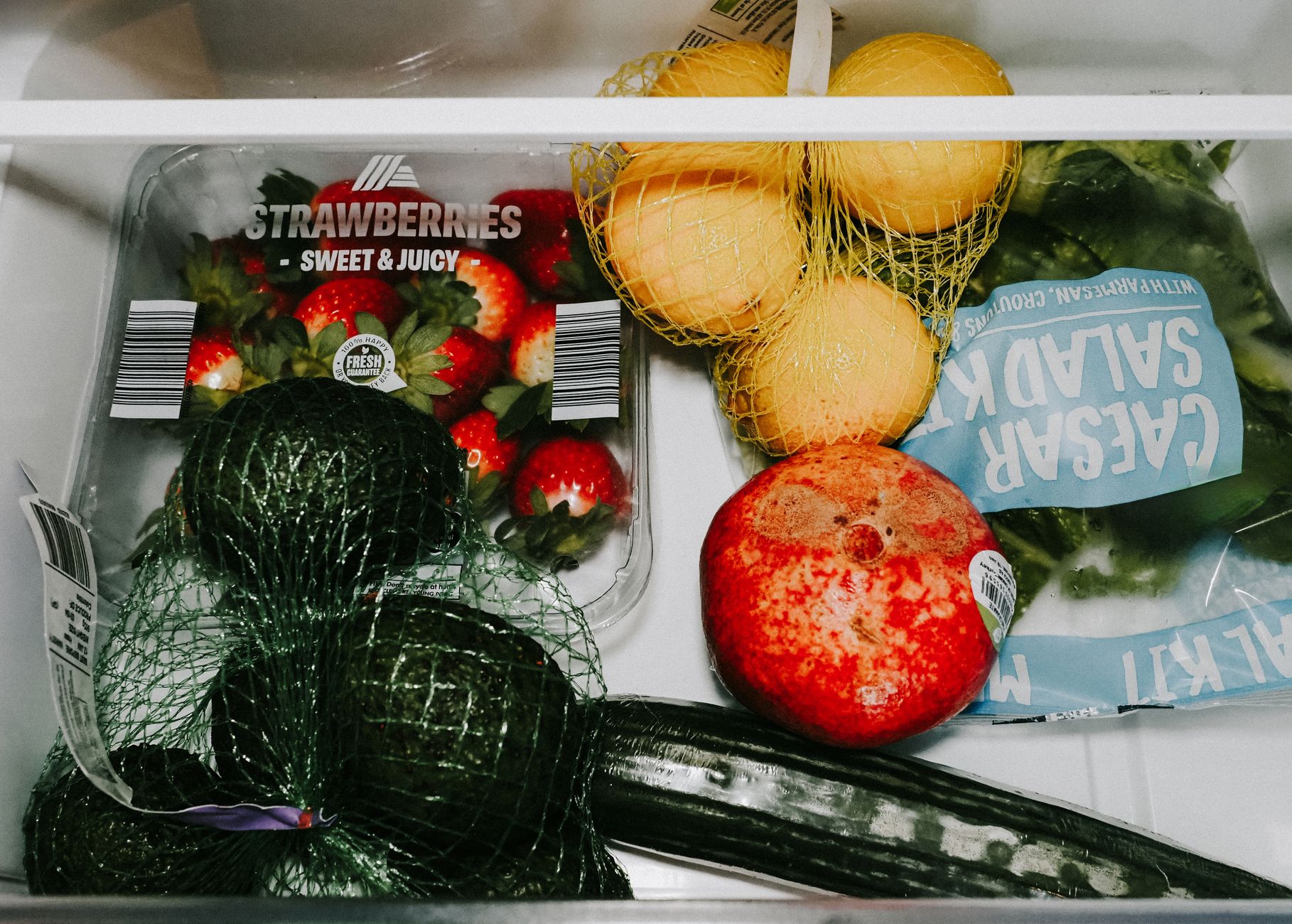
Strawberries are a beloved fruit, known for their sweetness and vibrant red color. However, the question of whether or not to refrigerate them can often leave consumers perplexed. Understanding the best storage method for strawberries is essential to maintaining their flavor, texture, and nutritional qualities.
This article will explore the various factors to consider when deciding whether to refrigerate strawberries, how to store them properly, and tips for prolonging their freshness. We will also discuss the advantages and disadvantages of refrigeration and offer practical advice for enjoying strawberries at their best.
Do Strawberries Need To Be Refrigerated?
Strawberries do not necessarily need to be refrigerated, but proper storage is key to keeping them fresh. If you plan to consume strawberries within a day or two, storing them at room temperature is sufficient. However, refrigeration can extend their shelf life and prevent spoilage if you want to keep them for a longer duration.
Understanding Strawberry Freshness
The freshness of strawberries is influenced by several factors, including their ripeness at purchase, storage conditions, and handling. When you buy strawberries, they are often harvested just before peak ripeness, allowing them to mature while in transit or at the market. This maturation process impacts their flavor and overall appeal.
Ripeness and Quality
Choosing ripe strawberries is crucial. Look for berries that are vibrant red with no signs of white or green patches, as these indicate under-ripeness. Additionally, avoid any berries that show signs of mold, bruising, or softness. Ripe strawberries provide the best flavor and texture.
Benefits of Refrigerating Strawberries
Refrigerating strawberries has several benefits, particularly for extending their lifespan and maintaining quality.
- Extended Shelf Life: Strawberries can last up to a week in the refrigerator, compared to only a day or two at room temperature.
- Mold Prevention: Cooler temperatures slow down the growth of mold and bacteria, keeping strawberries fresher for longer.
- Flavor Preservation: Refrigeration can help preserve the flavor of berries, especially in warmer climates where they may spoil quickly.
How to Properly Store Strawberries
To ensure that strawberries remain fresh for as long as possible, follow these guidelines for proper storage.
At Room Temperature
- Keep strawberries in their original container or a wide, shallow bowl to prevent them from getting squished.
- Store them in a cool, dry place away from direct sunlight and heat sources.
- Do not wash strawberries until you are ready to eat them, as moisture can promote mold growth.
In the Refrigerator
- Bring strawberries home and inspect them for damaged or spoiled fruit; remove any affected berries.
- Transfer unwashed strawberries to a breathable container lined with paper towels to absorb excess moisture.
- Store in the crisper drawer of the refrigerator, where humidity is higher, keeping them away from vegetables.
When Should Strawberries Be Washed?
Always wash strawberries just before consuming them to minimize moisture retention. Gently rinse them under cool running water, and avoid soaking, which can cause them to become soggy.
Signs of Spoilage
Identifying spoiled strawberries is crucial to ensure you consume them at their best. Look for these signs:
- Mold Growth: Any signs of white, fuzzy mold indicate spoilage.
- Softness or Mushiness: Overripe strawberries will lose their firmness and can become mushy.
- Off Smell: A sour or fermented smell is a sign that the strawberries are no longer fresh.
Do Strawberries Freeze Well?
If you have an excess of strawberries, freezing them is an excellent option for preservation. Properly frozen strawberries can last up to six months, retaining much of their flavor and texture.
How to Freeze Strawberries
- Wash and dry the strawberries thoroughly.
- Remove the stems and slice larger berries if desired.
- Arrange the strawberries in a single layer on a baking sheet lined with parchment paper and freeze until solid. This prevents them from clumping together.
- Once frozen, transfer the strawberries to freezer bags or airtight containers, removing as much air as possible.
Using Frozen Strawberries
Frozen strawberries are perfect for smoothies, baking, and sauces. Keep in mind that their texture may change after thawing, making them less suitable for fresh applications.
Practical Tips for Using Strawberries
Here are additional tips to help you enjoy strawberries to their fullest:
- Select Seasonal Berries: Buy strawberries in peak season (spring and early summer) for the best flavor and value.
- Mix with Other Fruits: Pair strawberries with other berries or fruit salads to create refreshing dishes.
- Enhance with Sweeteners: If strawberries are slightly tart, consider adding a sprinkle of sugar or honey to enhance their sweetness.
Delicious Ways to Enjoy Strawberries
Strawberries are incredibly versatile and can be enjoyed in various dishes. Here are some ideas:
- Smoothies: Blend strawberries with yogurt and other fruits for a nutritious breakfast or snack.
- Salads: Add sliced strawberries to salads along with nuts and cheese for a refreshing twist.
- Desserts: Use strawberries in cakes, tarts, or simply with whipped cream for a delightful dessert.
Strawberry Storage: Common Mistakes
Avoid these common mistakes to preserve the quality of your strawberries:
- Ignoring Mold: Always check and remove any spoiled strawberries to prevent the rest from spoiling.
- Overcrowding: Storing too many strawberries in a single container can lead to bruising and spoilage.
- Over-Washing: Wash strawberries only when you are ready to eat them to keep them dry and mold-free.
Conclusion
Understanding whether to refrigerate strawberries and how to store them can significantly impact their flavor and freshness. While refrigeration is beneficial for extending shelf life, room temperature is suitable for short-term consumption. Always inspect your strawberries and handle them properly to enjoy these delicious berries at their best.
For more creative ways to use strawberries, check out our Strawberry Preserves Recipe and indulge in a treat with our Strawberry Delight Recipe. Enjoy every bite of this juicy fruit!