
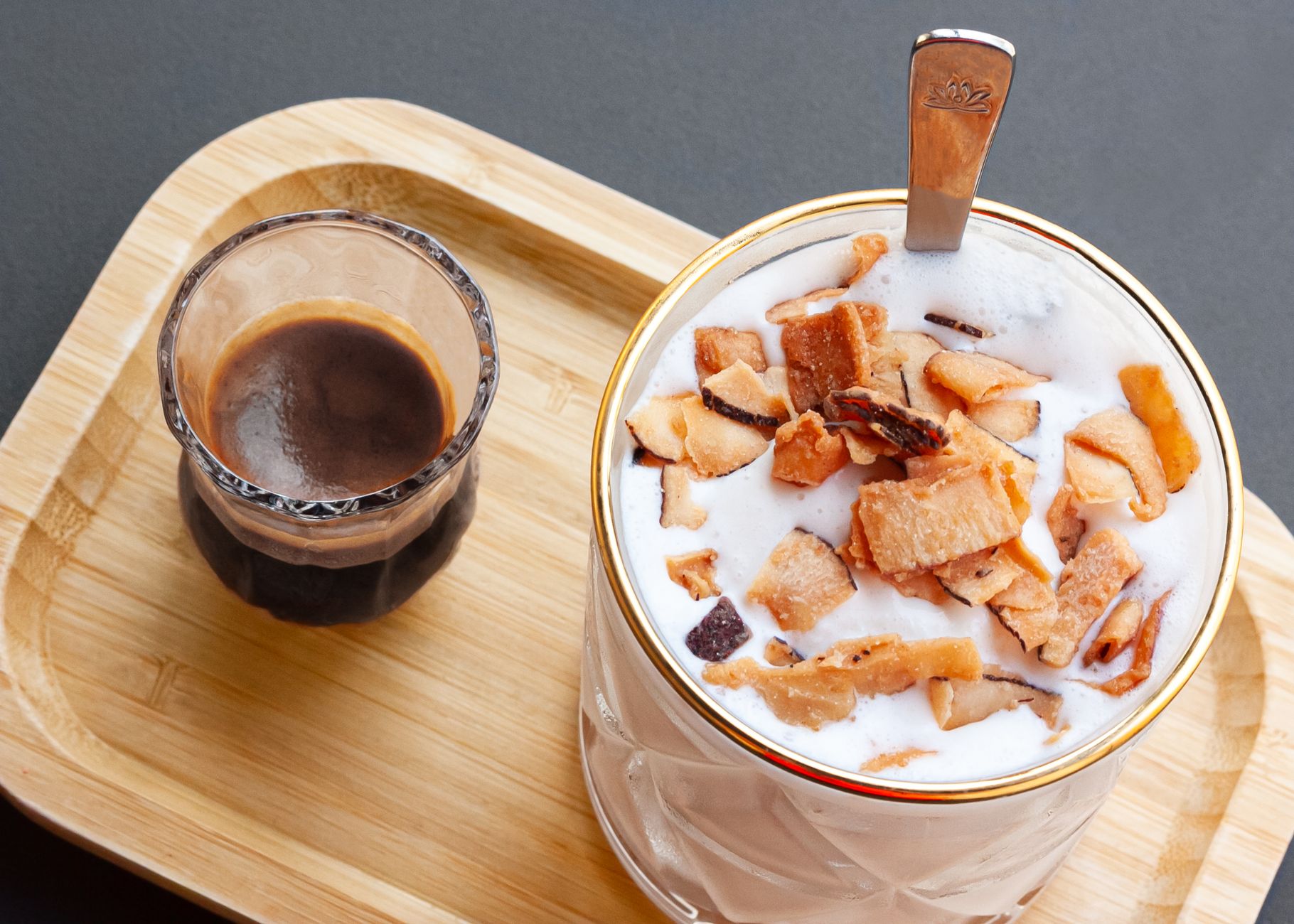
Coconut milk is a popular alternative to dairy, especially among those who follow vegan, plant-based, or lactose-free diets. But is coconut milk actually dairy free? This article will explore the classification of coconut milk, its uses in cooking and baking, and how it can be a versatile option for various dietary preferences.
Coconut milk is derived from the flesh of mature coconuts, making it completely plant-based and free from animal products. This distinction is crucial for those avoiding dairy due to allergies, lactose intolerance, or personal dietary choices.
Is Coconut Milk Dairy Free?
Yes, coconut milk is entirely dairy free. It is made by blending coconut flesh with water, resulting in a creamy liquid that resembles cow’s milk. Unlike dairy products, coconut milk does not contain lactose, a sugar found in cow’s milk that can cause digestive issues for many individuals.
Understanding Coconut Milk
Coconut milk comes in various forms, including canned, carton, and homemade variations. It is important to understand the differences between these options before incorporating them into your cooking or baking.
Types of Coconut Milk
- Canned Coconut Milk: This thick and creamy option is ideal for cooking, especially in curries and desserts. It may be separated into layers, with a thick cream layer on top and liquid underneath.
- Carton Coconut Milk: Generally more diluted and often fortified with vitamins, this version is suitable for drinking, adding to smoothies, or using in lighter cooking applications.
- Homemade Coconut Milk: Made from fresh coconut flesh and water, this variation can be adjusted for thickness to suit personal preferences.
Benefits of Coconut Milk
Coconut milk offers various benefits that make it an attractive alternative to dairy products. Here are some notable pros:
- Dairy Alternative: Perfect for those with lactose intolerance or dairy allergies, coconut milk is a great substitute that won’t upset the stomach.
- Rich in Nutrients: Coconut milk is high in healthy fats, particularly medium-chain triglycerides (MCTs), which may provide quick energy and have various health benefits.
- Vegan-Friendly: As a plant-based ingredient, coconut milk aligns with vegan and vegetarian diets.
Culinary Uses of Coconut Milk
Coconut milk is incredibly versatile and can be used in a variety of dishes. Its rich texture and subtle coconut flavor enhance many recipes. Here are some common uses:
Cooking
In savory dishes, coconut milk adds creaminess and sweetness. Some popular cooking applications include:
- Curry: Coconut milk is a staple in many Asian curries and soups, providing a rich base that complements spices.
- Rice Dishes: Use coconut milk to cook rice or quinoa for a flavorful twist.
- Stews and Sauces: It can be added to stews or sauces for added creaminess without the dairy.
Baking
Coconut milk can also enhance baked goods, contributing moisture and flavor. Consider using coconut milk in the following:
- Cakes: Substitute some or all of the dairy milk in recipes with coconut milk for a unique taste.
- Quick Breads: Its richness helps keep bread moist and tender.
- Puddings and Custards: A dairy-free option for creamy desserts.
Drinks
Coconut milk can serve as a base for smoothies or be enjoyed on its own. Try:
- Smoothies: Blending coconut milk with fruits creates a creamy and nutritious drink.
- Soups: Stirring in coconut milk can give soups a creamy texture.
- Milk Alternatives: Used in coffee, tea, or enjoyed as a non-dairy milk substitute.
Ingredient Substitutions
When looking to replace dairy milk or cream with coconut milk, some considerations and substitutions can enhance your dishes:
Substituting Coconut Milk
- For Regular Milk: You can substitute coconut milk in equal quantities; however, expect a change in flavor.
- For Heavy Cream: Use a 1:1 ratio for a thicker consistency, or mix equal parts coconut milk and coconut cream for a similar effect.
- For Buttermilk: Mix coconut milk with a teaspoon of lemon juice or vinegar to achieve a similar acidity.
Common Mistakes and Troubleshooting
Here are some common mistakes when using coconut milk and how to avoid them:
- Using the Wrong Type: Ensure you are using the correct type of coconut milk for your recipe—carton for drinking, canned for cooking.
- Not Shaking the Carton: When using carton coconut milk, shake well before pouring to mix any separated liquid.
- Overheating: Coconut milk can separate if boiled too vigorously. Heat gently to avoid curdling.
Storing Coconut Milk
Proper storage will help maintain the quality of your coconut milk. Here’s how to store both opened and unopened coconut milk:
Unopened Coconut Milk
Store unopened cans or cartons in a cool, dry place, such as your pantry. Check expiration dates for optimal freshness.
Opened Coconut Milk
Once opened, keep coconut milk refrigerated in an airtight container and use it within 3-5 days. If you have leftover canned coconut milk, consider transferring it to a glass jar to preserve flavor and prevent metal can taste.
Freezing Coconut Milk
If you need to store coconut milk for a longer time, freezing is an option. Pour the milk into ice cube trays, freeze until solid, then transfer to a freezer bag. This method allows you to thaw only the amount you need for future recipes.
Health Considerations
While coconut milk is dairy free and offers several health benefits, it is essential to consume it in moderation due to its high-caloric content and saturated fat. People following a strict low-fat diet should be particularly mindful of portion sizes.
Consulting Health Professionals
As with any dietary change, particularly for those with specific health conditions, consult with a healthcare provider or nutritionist when incorporating coconut milk into your diet. They can provide personalized advice based on your individual needs.
Creative Ways to Use Coconut Milk
Embracing coconut milk in your kitchen can lead to some exciting culinary creations. Here are some innovative ways you can incorporate it into your meals:
- Coconut Milk Chia Pudding: Mix chia seeds with coconut milk for a nutritious breakfast or dessert. Top with your favorite fruits and nuts.
- Coconut Mocha: Brew coffee with coconut milk for a unique twist on your morning brew. Add cocoa powder for an extra layer.
- Thin it with Water: If the coconut milk is too thick for your liking, thin it with a bit of water for a more drinkable consistency.
Conclusion
Coconut milk is a delicious and versatile plant-based alternative that is completely dairy free, making it suitable for various dietary needs. Whether you are cooking, baking, or creating drinks, its unique flavor can elevate your dishes. Make sure to experiment with this ingredient and discover how it can enhance your culinary adventures.
For more exciting recipes using coconut milk, check out our Chia Pudding Recipe or try out a refreshing Coconut Mojito Recipe to explore the versatility of this delightful ingredient.