
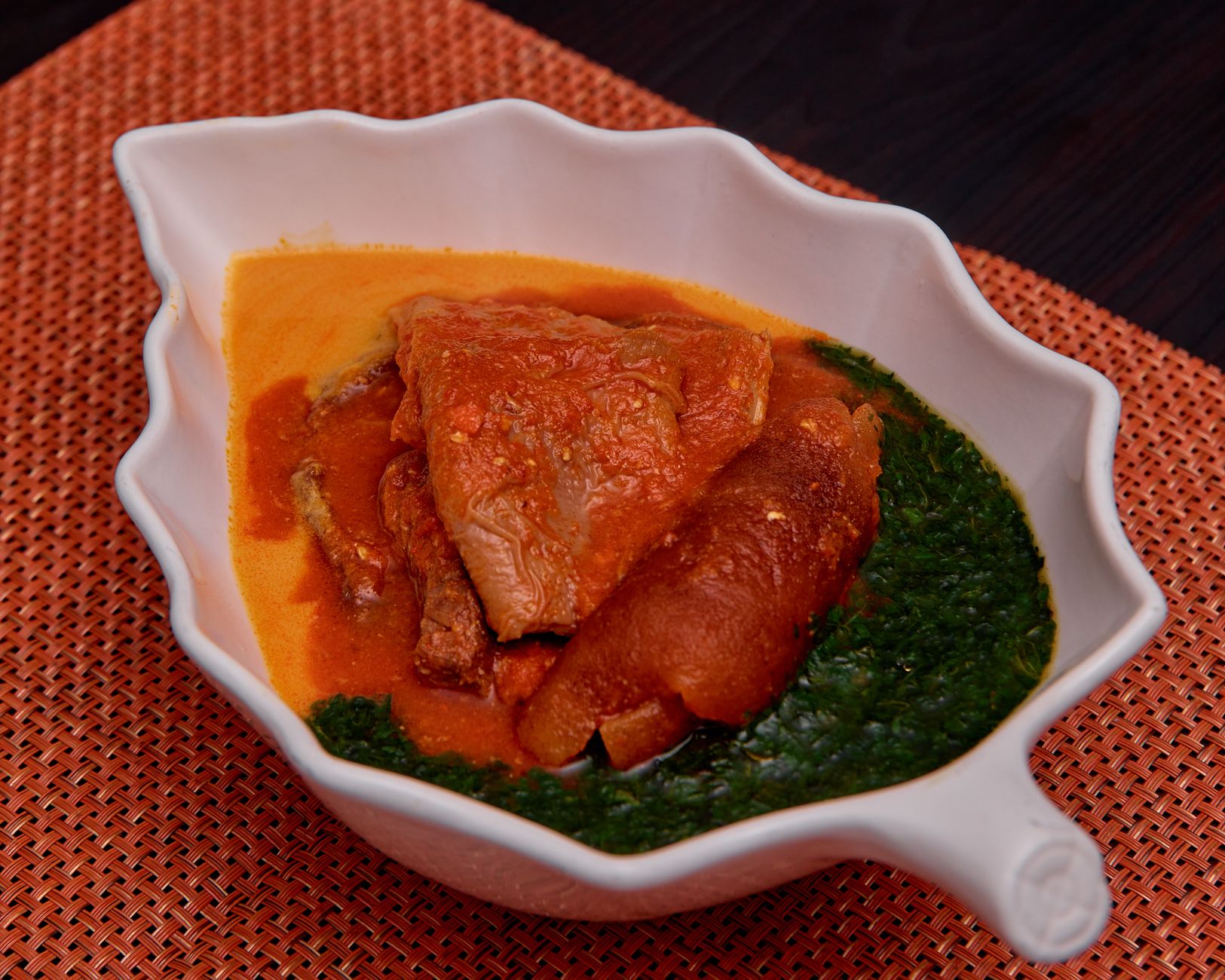
Egusi soup is a rich and flavorful West African dish made primarily with ground melon seeds, often served with a variety of meats and vegetables. Its creamy texture and nutty flavor make it a beloved staple in many households, particularly in Nigeria, Ghana, and surrounding countries.
Traditionally enjoyed with fufu or rice, egusi soup offers a hearty and nutritious meal option. Understanding its ingredients, preparation methods, and variations can help anyone recreate this exceptional dish at home.
What Is Egusi Soup?
Egusi soup is a savory stew made from ground egusi seeds, which come from the African melon. It’s characterized by its thick consistency and rich flavor, often enhanced with a variety of meats, fish, and spices. The soup is a staple in many West African cuisines and is renowned for its nutritional benefits.
Ingredients Used in Egusi Soup
The primary ingredient in egusi soup is egusi seeds, but several other components contribute to its depth of flavor and nutritional value. Here’s a breakdown of common ingredients:
- Egusi seeds: These are the star of the dish, providing a nutty flavor and thickening the soup.
- Vegetables: Leafy greens like spinach, bitter leaf, or ugu (fluted pumpkin leaves) are often added for nutrition and color.
- Meat: Common options include goat, beef, chicken, or fish, which add protein and richness to the soup.
- Onions: Usually chopped and sautéed to create a flavorful base.
- Spices: Ground crayfish, pepper, and stock cubes are often used to boost flavor.
- Palm oil: This adds richness and contributes to the soup’s vibrant color.
- Seasoning: Salt and other seasoning agents enhance the overall taste of the dish.
The Flavor Profile and Texture of Egusi Soup
Egusi soup has a unique blend of flavors. It offers a slightly nutty taste from the egusi seeds, combined with the savory depth of the meats and spices. The addition of leafy greens provides a subtle bitterness that balances the richness of the soup.
In terms of texture, the soup is thick and creamy, thanks to the ground seeds. The specific consistency can vary depending on how much water is added or how finely the egusi seeds are ground. Some enjoy a smoother texture, while others prefer a chunkier version with visible ingredients.
Cooking Techniques for Making Egusi Soup
Creating egusi soup involves several straightforward techniques, including blending, sautéing, and simmering. Understanding these methods can help achieve a well-balanced and delicious soup.
Preparation of Egusi Seeds
To begin with, the egusi seeds must be ground into a fine powder. This can be done using a traditional mortar and pestle or an electric grinder. It’s essential to achieve a fine consistency for a smooth soup.
Sautéing Ingredients
Start by heating palm oil in a pot over medium heat. Once hot, add chopped onions and sauté until they become translucent. This process caramelizes the onions, enhancing the soup’s flavor. Afterward, incorporate ground egusi seeds, stirring to combine.
Simmering the Soup
To create the soup’s base, add water or broth after the egusi has cooked briefly with the onions. Stir well and let it simmer, allowing the flavors to meld together. It’s essential to continuously stir to prevent burning and ensure a smooth consistency.
A Basic Egusi Soup Recipe
This recipe serves approximately 6 people and takes about 45 minutes to prepare and cook.
Ingredients
- 2 cups egusi seeds, ground
- 1/2 cup palm oil
- 1 medium onion, chopped
- 500 grams of assorted meat (beef, goat, or chicken)
- 4 cups water or meat broth
- 2 cups leafy greens (spinach, ugu, or bitter leaf)
- 2 teaspoons ground crayfish
- 2 teaspoons ground pepper (adjust to taste)
- Salt to taste
- 2 seasoning cubes
Essential Equipment
- Large pot
- Wooden spoon or spatula
- Blender or grinder for egusi seeds
- Chopping board and knife
Method
- Begin by grinding the egusi seeds to a fine powder. Set aside.
- In a large pot, heat the palm oil over medium heat until it shimmers.
- Add the chopped onions and sauté until soft and translucent.
- Stir in the ground egusi seeds, mixing well with the onions. Cook for about 5 minutes, stirring constantly.
- Add the assorted meat into the pot and pour in the water or broth. Stir to combine.
- Allow the mixture to simmer for 15-20 minutes, stirring occasionally to prevent sticking.
- Add the leafy greens, ground crayfish, ground pepper, seasoning cubes, and salt to taste. Mix well and let it simmer for another 10 minutes.
- Check the seasoning and adjust as needed. The soup should be thick and creamy. Once satisfied, remove from heat.
- Serve hot with fufu, rice, or your choice of side.
Substitutions and Variations
Egusi soup is versatile, and you can adjust certain ingredients according to preference or availability. Here are some common substitutions:
- Egusi seeds: If egusi seeds are not available, consider using other seeds like pumpkin seeds or sunflower seeds for similar flavor, but note that the texture may vary.
- Meats: You can use poultry, seafood like shrimp or fish, or even plant-based proteins for a vegetarian version.
- Leafy greens: While traditional recipes use specific greens, feel free to substitute with kale or collard greens if preferred.
- Palm oil: If palm oil is hard to find, you might use vegetable oil, though this will alter the flavor profile significantly.
- Spices: Customize the level of heat by adapting the amount of pepper or even adding other spices like ginger for a unique flavor.
Common Mistakes When Making Egusi Soup
A few common pitfalls can alter the quality of egusi soup. Here’s how to avoid them:
- Overcooking the Egusi: Cooking the egusi seeds too long can lead to a burnt flavor. Stir frequently and monitor the heat.
- Too Much Water: Adding excessive liquid can lead to a watery soup. Start with less water and add gradually until you reach the desired consistency.
- Underseasoning: Proper seasoning is crucial in egusi soup. Taste as you go to ensure a balanced flavor.
- Overcooking the Vegetables: Adding leafy greens too early can make them overly soft. Add them towards the end of cooking for a vibrant color and crunch.
Serving Suggestions for Egusi Soup
Egusi soup can be enjoyed in various ways, making it suitable for different meals throughout the day. Here are a few serving suggestions:
- With Fufu: A traditional combination in Nigerian cuisine, fufu provides a comforting, starchy contrast to the savory soup.
- With Rice: For a lighter option, serve egusi soup over rice. It’s an excellent choice for those who prefer grains.
- As a Dip: Use the soup as a dip for fried plantains or puff-puff for a delightful snack.
- With Bread: Egusi can also be enjoyed with sliced bread, offering a fusion touch to the meal.
Make-Ahead and Storage Tips
Egusi soup is perfect for meal prep, as its flavors develop even further after sitting for a while. Here are some helpful storage tips:
- Make-Ahead: You can prepare the soup ahead of time and store it in the refrigerator for up to 3 days.
- Freezing: For longer storage, freeze egusi soup in airtight containers for up to three months. Thaw overnight in the fridge before reheating.
- Reheating: Gently reheat on the stove over low heat, adding a splash of water or broth to maintain its consistency.
Conclusion
Egusi soup is a delicious and nutritious dish that embodies the heart of West African cooking. With its nutty flavor and rich texture, it is sure to delight anyone who tries it. Using the insights and recipes provided, you can easily create your version of this traditional meal and enjoy it in various ways.
Explore additional cooking tips, food guides, and related recipes to expand your culinary repertoire. Whether you’re interested in discovering new side dishes or trying different cooking techniques, there’s always something exciting to learn in the kitchen.