
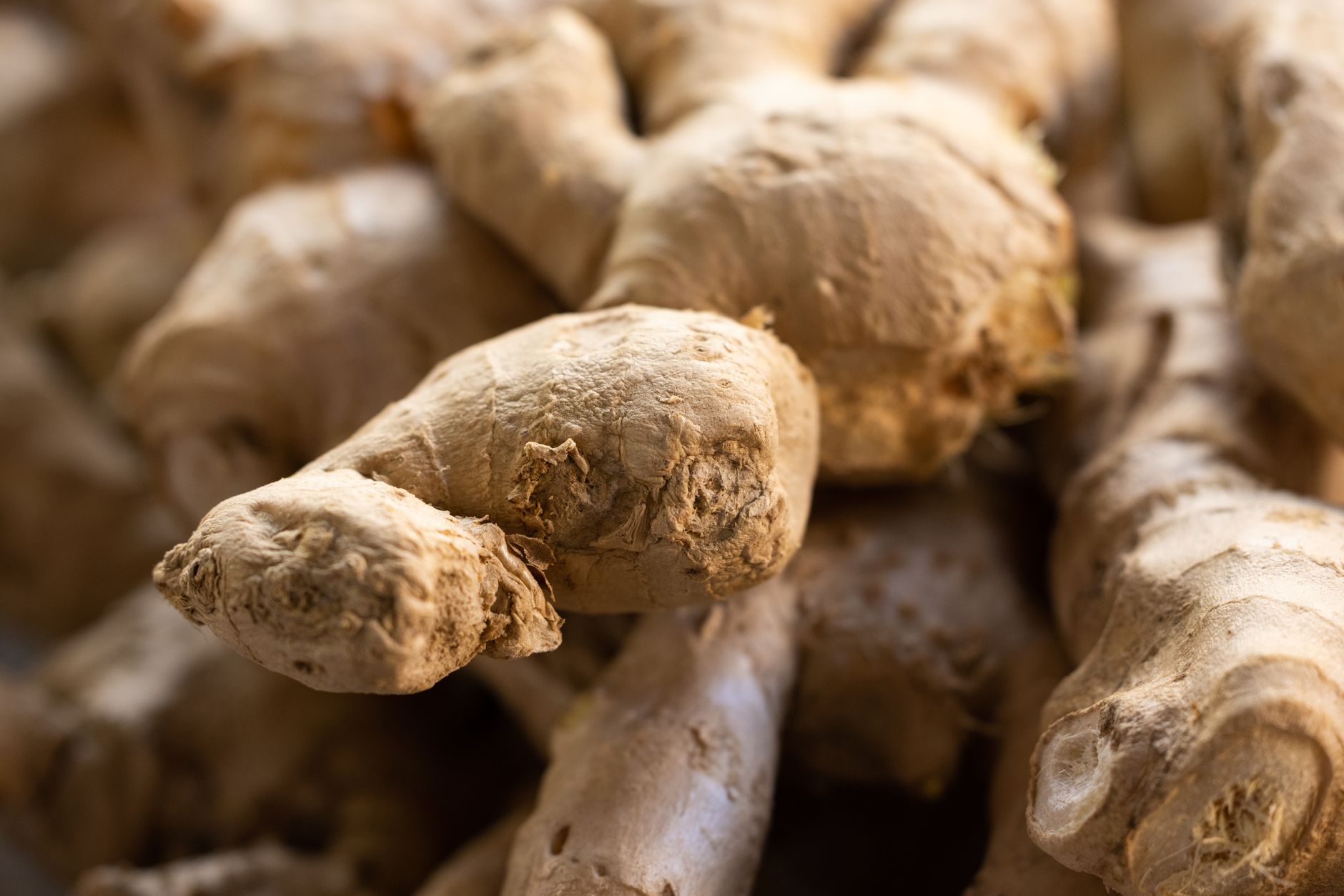
Ginger is a versatile and aromatic spice that has been used in culinary traditions worldwide for centuries. Known for its distinctive flavor and numerous culinary uses, ginger can be found in both fresh and dried forms. This article explores the characteristics of ginger, its cooking applications, and tips for incorporating it into your meals.
Whether you’re looking to spice up your dishes or learn more about this incredible root, understanding ginger’s flavor profile and benefits can help elevate your cooking experience. Let’s delve deeper into what ginger is, how to choose it, and ways to use it in your kitchen.
What Is Ginger?
Ginger is the rhizome of the plant Zingiber officinale, belonging to the family Zingiberaceae. It originates from Southeast Asia and is one of the most popular spices globally. Ginger can be consumed fresh, ground into a powder, or processed into oils, candies, or pickles. Its warm, peppery flavor and slightly sweet aroma have made it a favorite in both sweet and savory dishes.
The Flavor and Aroma of Ginger
Ginger has a complex flavor profile that can be described as spicy, peppery, and slightly sweet. Fresh ginger offers a zesty punch and a floral aroma that can brighten up dishes. When dried and ground, ginger tends to have a more concentrated flavor that’s warming and earthy.
Choosing and Storing Ginger
How to Choose Ginger
When selecting fresh ginger, look for the following characteristics:
- Firmness: Choose roots that are firm and free from wrinkles.
- Appearance: Look for smooth skin, avoiding any that appear dry or blemished.
- Size: Smaller pieces often have a more intense flavor compared to larger ones, which may be woody.
Storing Fresh Ginger
Fresh ginger can be stored in several ways:
- In the fridge: Place unpeeled ginger in a paper bag or wrap it in a paper towel and then inside a plastic bag. It can last for several weeks this way.
- In the freezer: If you have more ginger than you need, you can freeze it. Peel and cut it into chunks, then store in an airtight container or freezer bag. Grate or slice slices directly from frozen as needed.
Storing Dried Ginger
Dried ginger should be kept in an airtight container in a cool, dark place. When properly stored, it can remain potent for up to three years; however, the flavor can diminish over time. Always check for a pungent aroma before use to ensure freshness.
Cooking with Ginger
Ginger can enhance a wide range of dishes and cuisines. Here are some common uses:
Fresh Ginger in Cooking
Fresh ginger can be used to add spice to stir-fries, soups, marinades, and desserts. It’s often pounded into pastes for curries or added to teas for a warming beverage. When cooking with fresh ginger, here’s how to prepare it:
- Peel the skin using a spoon or knife. The skin is thin and easy to remove.
- Grate, slice, or mince the ginger according to your recipe’s requirements.
- Consider your cooking method: If you’re sautéing, add ginger early to release its oils. For teas or broths, add it to boiling water.
Dried Ginger in Cooking
Dried ginger is great for baking and spicing up warm dishes like stews or oatmeal. It’s less pungent than fresh ginger and has a different, softer taste. Here’s how to integrate dried ginger into your cooking:
- Use in baking: Add to cookies, cakes, and muffins. A typical measure is about one teaspoon for every tablespoon of fresh ginger needed.
- As a spice blend: Combine with cinnamon, nutmeg, and clove for a warming spice mix perfect for winter dishes.
Ginger in Various Cuisines
Ginger is prominent in many regional cuisines, contributing unique flavors to dishes around the globe:
Asian Cuisine
In Asian cooking, particularly Chinese and Indian cuisine, ginger features prominently in a plethora of dishes. It can be found in stir-fries, curries, and soups.
Western Cuisine
In Western cooking, ginger is often used in sweet treats like gingerbread cookies, cakes, and jams. It also works well in savory applications, such as salad dressings and marinades.
Middle Eastern Cuisine
Middle Eastern dishes also incorporate ginger, often in spice mixtures for meat dishes, showcasing its warming flavor in stews and aromatic rice dishes.
Health Benefits of Ginger
While the nutritional benefits of ginger continue to be studied, it is often associated with various traditional health benefits. Historically, ginger has been used to help with digestive issues, nausea, and inflammation. Here are some commonly appreciated benefits:
- Digestive aid: Ginger is often used to soothe upset stomachs and reduce nausea.
- Anti-inflammatory: Some studies suggest that ginger may contain anti-inflammatory properties, which can be beneficial for those suffering from arthritis.
Practical Substitutions for Ginger
If you find yourself out of ginger or need an alternative, consider these substitutions:
- Ground ginger for fresh ginger: Use 1/4 teaspoon of ground ginger for every teaspoon of grated fresh ginger.
- Ginger paste: If you have ginger paste, it can easily replace fresh ginger at a 1:1 ratio.
- Galangal: Known as Thai ginger, it can add a unique flavor, although it is less spicy than regular ginger. Use sparingly until you achieve desired taste.
Common Mistakes When Cooking with Ginger
Learning to cook with ginger can involve some trial and error. Here are a few mistakes to avoid:
- Not peeling: The skin can be tough and bitter; always peel fresh ginger before use.
- Overcooking: Prolonged cooking can mellow the flavor of ginger. Add it toward the end of cooking for fresher flavor notes.
Ginger-Based Recipes to Try
Ready to explore the world of ginger in your kitchen? Here are some delightful recipes that highlight ginger:
Ginger Syrup
This sweet and zesty syrup is perfect for cocktails, desserts, or simply drizzled over pancakes. Here’s a quick recipe:
- 1 cup fresh ginger, peeled and sliced
- 3 cups sugar
- 3 cups water
- In a saucepan, combine ginger, sugar, and water. Bring to a boil.
- Reduce heat and let simmer for 30 minutes.
- Strain the mixture and store the syrup in a glass container in the fridge.
Ginger Bug
If you’re interested in natural fermentation, a ginger bug is a great starter for homemade sodas.
- 1 cup water
- 1 tablespoon fresh grated ginger
- 1 tablespoon sugar
- Combine water, ginger, and sugar in a jar. Stir until sugar is dissolved.
- Cover with a cloth and let sit at room temperature. Feed with more sugar and ginger daily.
- After about a week, you’ll notice bubbles, indicating that your ginger bug is ready to use.
Conclusion
Ginger is an incredibly versatile ingredient that can add depth and warmth to both savory and sweet dishes. By understanding how to choose, prepare, and use ginger, you can elevate your culinary creations significantly. Incorporate fresh and dried ginger into your cooking repertoire to explore its diverse flavors and health benefits.
For more ways to enjoy ginger, check out our recipes for ginger syrup and ginger bug. Explore new tastes and health benefits today!