
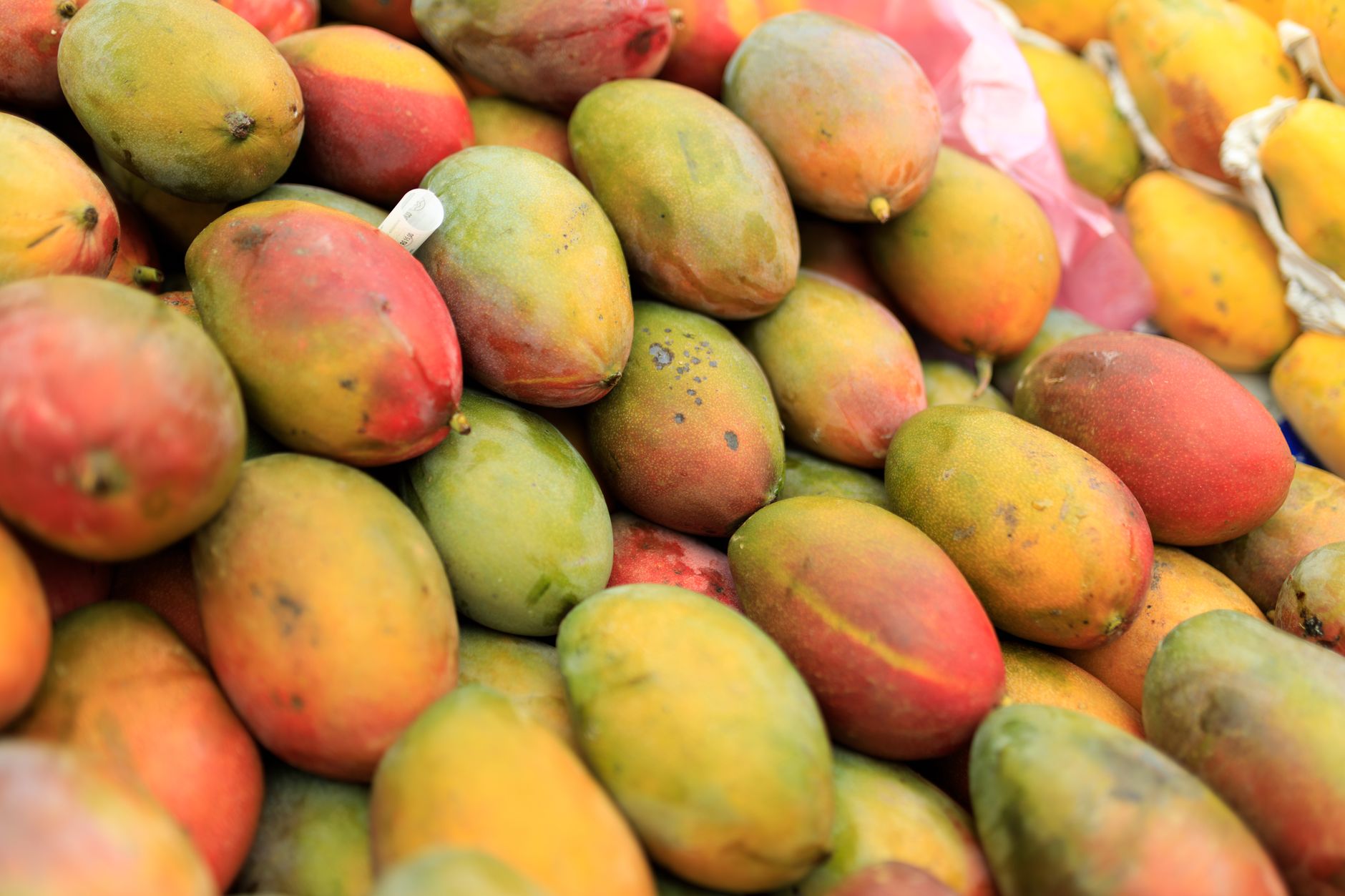
Mangoes are a beloved tropical fruit known for their sweet, juicy flavor and vibrant colors. However, selecting a ripe mango can sometimes be challenging. Understanding what a ripe mango looks like, smells like, and feels like will help you choose the best fruit for your salads, smoothies, or desserts.
This guide will detail the characteristics of ripe mangoes, tips for selection, and how to properly store them. Knowing how to pick, ripen, and store mangoes will enhance your culinary experience and ensure you enjoy them at their best.
What Does A Ripe Mango Look Like?
A ripe mango typically displays a range of characteristics that distinguish it from unripe fruits. First and foremost, the skin color of a ripe mango usually changes from green to a combination of yellow, orange, and red, depending on the variety. However, color alone does not indicate ripeness.
Another key indicator of ripeness is the texture of the skin. A ripe mango will have a slightly yielding texture when you gently press it. If it feels hard or firm, it may not be ready for consumption.
Physical Characteristics of a Ripe Mango
Color
The skin color of a ripe mango varies among types but generally indicates ripeness. For example:
- Haden mango: Turns from green to yellow with a bright red blush.
- Tommy Atkins mango: Shifts from green to yellow-orange with hints of red.
- Alphonso mango: Turns a golden yellow hue when ripe.
It is important to note that while many ripe mangoes will have some shade of red, some varieties may fully ripen while still exhibiting green skin.
Texture
When choosing a mango, gently squeeze the fruit. A ripe mango will yield to the touch without feeling overly soft. If it is too firm, it is likely not ripe yet. Additionally, avoid mangoes with excessive blemishes, dark spots, or wrinkles, as these may indicate overripeness or spoilage.
Fragrance
Ripeness is also indicated by aroma. A ripe mango should emit a fragrant, sweet scent near the stem. If the mango lacks scent, it is likely underripe. Conversely, a fermented or overly pungent smell signifies overripeness.
Shape
Look for a mango with a plump, rounded shape. The size and shape may differ between varieties, but a healthy mango will have a smooth and full profile.
Picking a Ripe Mango: Tips and Tricks
Here are some practical tips for selecting a ripe mango from the store or farmers market:
- Choose the right variety: Familiarize yourself with the characteristics of different mango varieties to easily identify ripeness.
- Inspect the skin: Look for even color changes without dark spots or blemishes.
- Check the firmness: Gently squeeze the mango for a slight give, indicating ripeness.
- Smell the stem end: A sweet aroma suggests ripeness, while a lack of scent means it’s not ready.
How to Ripen Mangoes
If you’ve purchased an underripe mango, don’t worry! You can ripen it at home using a couple of techniques:
Room Temperature Method
- Place the mango in a paper bag to trap ethylene gas, which accelerates ripening.
- Store the bag at room temperature away from direct sunlight.
- Check the mango daily for ripeness by gently squeezing it.
Speeding Up Ripening
To further speed up the ripening process, you can add an apple, banana, or avocado to the bag. These fruits produce a higher concentration of ethylene gas. This method usually takes 1–3 days, depending on the initial ripeness of the mango.
Signs of Overripe Mangoes
Recognizing signs of overripeness is essential to prevent spoilage. An overripe mango will exhibit several telltale signs:
- Very soft texture: If it feels mushy and overly yielding, it is likely spoiled.
- Dark spots and wrinkling: Excessive dark spots may indicate overripeness.
- Fermented smell: A strong, pungent smell suggests it may be too far gone, and culinary use may not be advisable.
Storing Ripe Mangoes
Proper storage is essential for maintaining the quality and flavor of ripe mangoes:
Avoid Refrigeration Too Soon
Do not refrigerate a mango until it is fully ripe, as cold temperatures may stop the ripening process and affect its flavor. Once ripened, it can be stored in the refrigerator.
Optimal Storage Conditions
Once ripe, place the mango in the crisper drawer of the refrigerator. This helps retain its moisture and freshness. Ripe mangoes can typically last in the refrigerator for about 5–7 days.
Storing Cut Mangoes
If you have cut into the mango, store the leftover pieces in an airtight container in the refrigerator. Consume within 1–2 days for the best quality. You may also consider wrapping the cut mango in plastic wrap to prevent it from browning due to exposure to air.
Using Ripe Mangoes in Recipes
Ripe mangoes are incredibly versatile and can be used in countless culinary applications. Here are a few ways to incorporate them into your meals:
Salads
Chop ripe mango into cubes and add it to salads for a refreshing and sweet contrast. Pair it with leafy greens, avocado, and a citrus vinaigrette.
Smoothies
Blend ripe mango with yogurt, banana, and a splash of coconut milk for a creamy tropical smoothie. It adds natural sweetness and creaminess.
Desserts
Mango can easily be transformed into sorbets, puddings, or used as a topping for ice cream and cakes. A mango mousse or mango sticky rice is perfect for mango lovers.
Salsas and Sauces
Create homemade mango salsa by combining diced mango, onion, cilantro, and lime juice. Serve it alongside grilled fish or chicken for a burst of flavor.
Common Mistakes When Selecting Mangoes
When selecting mangoes, avoid these common pitfalls:
- Choosing by color alone: Don’t rely solely on the skin color, as many ripe varieties still have green patches.
- Ignoring texture: Failing to test the firmness can result in selecting either under or overripe mangoes.
- Disregarding smell: A lack of fragrance often signals an unripe mango.
Conclusion
Understanding the characteristics of a ripe mango is essential for enjoying this delectable fruit at its best. Look for color variations, texture, and aroma to ensure you select a mango that is not too hard or too soft. With these tips, storing and using ripe mango will enhance your culinary endeavors.
For delightful mango-inspired recipes, explore our Mango Bread Recipe or make a flavorful Mango Habanero Sauce Recipe.