
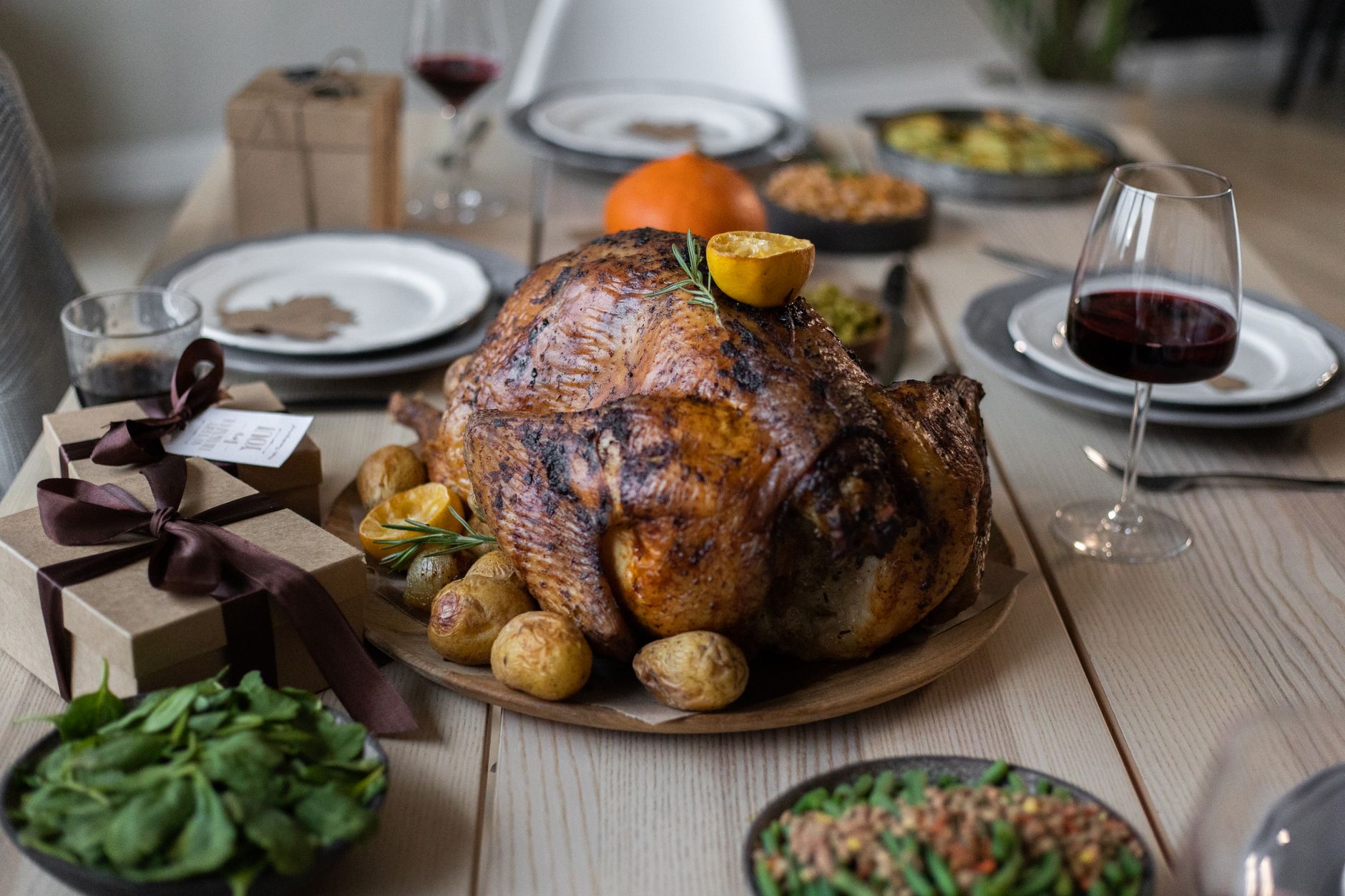
Turkey is often associated with post-meal drowsiness, especially after Thanksgiving feasts. Many people wonder why this common occurrence takes place. Understanding the nutritional components of turkey, along with serving sizes and meal combinations, can help explain why turkey makes you feel sleepy after indulging in this delicious poultry.
In this article, we will explore the science behind turkey’s effects on sleepiness, the role of certain amino acids, other contributing factors, and how to balance your meals to avoid feeling overly drowsy after enjoying turkey dishes. Whether you are feeding a crowd during the holidays or a cozy family dinner, knowing how to manage your turkey servings and pairings can make mealtime both enjoyable and comfortable.
Why Turkey Makes You Sleepy?
The sensation of sleepiness after eating turkey primarily comes from the presence of an amino acid called tryptophan. Tryptophan is a precursor to serotonin, which is then converted to melatonin, a hormone that regulates sleep-wake cycles. Consuming turkey, especially in large doses, combined with carbohydrates, enhances the uptake of tryptophan in the brain, leading to feelings of drowsiness. Additionally, turkey is often accompanied by rich, heavy sides, which can further contribute to post-meal lethargy.
The Role of Tryptophan
Tryptophan is an essential amino acid that cannot be produced by the body and must be obtained through dietary sources. Turkey is known to be rich in protein and contains a substantial amount of tryptophan. One typical serving of turkey contains approximately 250-300 mg of tryptophan. However, it is important to note that other foods also contain tryptophan, so it is not solely turkey that leads to sleepiness.
How Tryptophan Affects Sleep
Tryptophan has a unique relationship with the brain. When consumed with carbohydrates, tryptophan competes with other amino acids to cross the blood-brain barrier. Carbohydrate intake triggers the release of insulin, which, in turn, lowers the levels of competing amino acids. This process allows more tryptophan to enter the brain, increasing serotonin and melatonin production. As a result, individuals often feel more relaxed or sleepy after a turkey-rich meal paired with carbs, such as mashed potatoes or stuffing.
Nutritional Composition of Turkey
The nutritional profile of turkey plays a significant role in its effects on the body. Turkey is low in fat, particularly the white meat, making it a lean protein choice. Here’s a quick breakdown of the key nutritional components in a 3-ounce serving of roasted turkey breast:
- Calories: 135
- Protein: 30 grams
- Fat: 1 gram
- Saturated Fat: 0.3 grams
- Cholesterol: 70 mg
- Sodium: 70 mg
- Tryptophan: Approximately 250-300 mg
While turkey provides essential nutrients, the context in which it is consumed is equally important. High-calorie and high-carbohydrate sides can amplify the feelings of sleepiness that is sometimes associated with turkey.
Other Contributing Factors to Post-Meal Sleepiness
While tryptophan plays a prominent role in sleepiness, several other factors can contribute to drowsiness after eating turkey. It’s essential to recognize these elements to manage how you feel after a meal.
Portion Sizes
Large portions of turkey and accompanying sides can lead to overeating, which predominantly triggers fatigue. When you consume oversized servings, your body expends a significant amount of energy on digestion. This digestion process diverts blood flow to the stomach and intestines, reducing availability for other functions, and can make you feel sluggish.
Meal Combinations
The types of foods you pair with turkey can influence the likelihood of drowsiness. High-carbohydrate foods, such as bread rolls, stuffing, and mashed potatoes, when combined with turkey can accelerate the feeling of sleepiness due to the synergistic effect of carbs and tryptophan. This combination boosts the chances of feeling lethargic after a meal.
Alcohol Consumption
Many holiday meals include alcoholic beverages, which can also contribute to sleepiness. Alcohol is a depressant that lowers inhibitions and can lead to increased fatigue. When combined with a heavy, turkey-centric meal, the effects can be intensified, ushering in a post-meal nap.
Hydration Levels
Dehydration can lead to fatigue, and many people forget to stay hydrated during large meals. Consuming a lot of sodium from various dishes may cause you to feel thirsty, further exacerbating feelings of tiredness if not addressed.
How to Enjoy Turkey Without the Drowsiness
Despite the potential sleepy side effects of turkey, there are ways to enjoy this delicious meat while minimizing the aftermath of lethargy. Consider the following strategies to maintain energy levels post-meal.
Mindful Portion Control
One of the simplest ways to mitigate malaise after a turkey meal is to practice portion control. Consider serving moderate servings of turkey (3-4 ounces) accompanied by smaller portions of high-carb sides. Balance your plate with veggies to add volume without excess calories, aiding digestion without overwhelming your system.
Balance Your Meal
To balance your meal, aim for a mix of macronutrients. Pair turkey with fiber-rich vegetables or salads to add bulk and nutrition. These fiber-rich foods can promote a feeling of satiety without leading to excessive calorie intake. For a delicious and nutritious side, consider roasted Brussels sprouts or a fresh garden salad with a light vinaigrette.
Limit Carbohydrate Serving Sizes
If you know turkey will be the star of the show, consider reducing the size of high-carb sides. Instead of stuffing yourself with mashed potatoes, try a smaller serving alongside whole grains like quinoa or farro, which can provide energy without the same immediate sleepiness effect.
Stay Hydrated
Drink water before, during, and after your meal to help combat feelings of fatigue. Aiming for a glass of water before the meal not only keeps you hydrated but can also help control your appetite, preventing overeating. Setting out a pitcher of water on the table encourages regular sips throughout the meal.
Be Mindful of Alcohol
While enjoying a glass of wine or a festive cocktail can be part of the dining experience, moderation is key. Limiting alcohol to one serving during the meal helps reduce the potential for increased drowsiness afterward. Better yet, opt for a non-alcoholic beverage, such as sparkling water with a splash of fruit juice for flavor, to keep energy levels up.
Alternative Turkey Recipes to Enhance Flavor and Nutrition
If you are looking to explore different ways to enjoy turkey while keeping potential sleepiness in check, here are two recipe ideas that incorporate nutritious ingredients and various cooking techniques.
Turkey Brine Recipe for Smoking
Brining your turkey adds flavor and moisture, making for a delightful centerpiece. Here is a simple brine recipe that makes your turkey flavorful with added herbs and spices.
Ingredients
- 1 cup kosher salt
- 1 cup brown sugar
- 1 gallon water
- 4 cloves garlic, minced
- 2 tablespoons black peppercorns
- 2 tablespoons fresh rosemary, chopped
- 2 tablespoons fresh thyme, chopped
- Ice
Method
- In a large pot, combine kosher salt, brown sugar, and water. Heat over medium heat until the salt and sugar dissolve completely.
- Add minced garlic, black peppercorns, rosemary, and thyme. Stir well.
- Remove from heat and let cool. Once cooled, add ice to the brine mixture.
- Submerge the turkey in the brine for at least 12 hours, up to 24 hours, for optimal flavor and tenderness.
- Remove the turkey from brine, rinse with cold water, and pat dry before smoking or roasting.
Turkey Sausage Recipe
Making your own turkey sausage is a fantastic way to incorporate lean meats with flavorful spices, providing a delicious option without the drowsiness.
Ingredients
- 1 pound ground turkey
- 1 teaspoon salt
- 1 teaspoon black pepper
- 1 tablespoon sage
- 1 tablespoon thyme
- 1 teaspoon garlic powder
- 1 teaspoon onion powder
- 1 tablespoon maple syrup (optional)
Method
- In a bowl, combine ground turkey, salt, black pepper, sage, thyme, garlic powder, onion powder, and maple syrup (if using).
- Mix until well blended. Form into patties or leave in loose form for crumbles.
- Heat a skillet over medium heat and add the turkey sausage. Cook thoroughly for about 8-10 minutes, until the internal temperature reaches 165°F.
- Serve as breakfast with eggs or in a sandwich, ensuring a flavorful, hearty start to the day.
Conclusion
Turkey, beloved for its flavor and nutritional benefits, can lead to sleepiness due to compounds like tryptophan, particularly when paired with other rich and heavy foods. To keep fatigue at bay during your next turkey meal, focus on portion control, balance your plates with vegetables, stay hydrated, and be mindful of alcohol consumption.
By understanding the nutritional nuances of turkey and adjusting serving sizes and combinations, you can enjoy your turkey without feeling overly sluggish afterward. Try out brining to innovate traditional meals or create tasty turkey sausage for a healthier, lighter option. Explore more cooking tips and recipes to make the most of your turkey dishes.
For detailed recipes, check out our turkey brine recipe for smoking or explore our turkey sausage recipe for a delicious meal that promotes flavor and satisfaction without the drowsiness.