
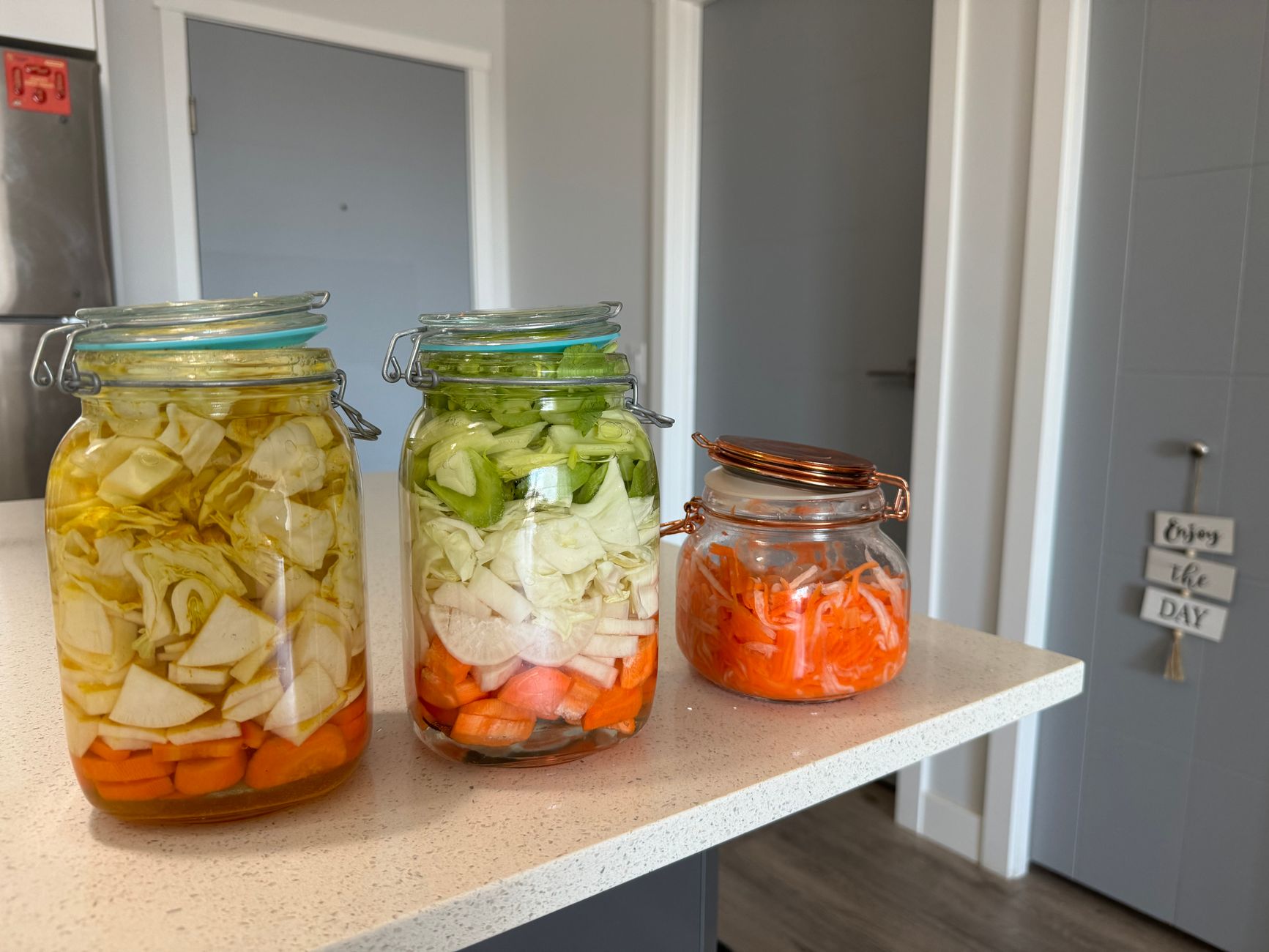
Pickles and cucumbers have a close relationship, but they are not the same. Pickles are typically cucumbers that have gone through a pickling process, which involves preserving them in a brine solution made of vinegar, salt, and various spices. This transformation gives pickles their unique tangy flavor and crunchy texture. Understanding this distinction is essential for cooking, preserving, and enjoying these two beloved foods.
In this article, we will explore the world of cucumbers and pickles, including how pickles are made, their different varieties, culinary uses, and serving ideas. Whether you’re a pickle enthusiast or someone curious about this delightful food, there’s a lot to discover.
Is Pickles Cucumbers?
Yes, pickles are cucumbers that have been preserved through a pickling process. This method typically involves soaking cucumbers in brine or vinegar, which alters their flavor and texture, transforming them into the tangy and crunchy pickles that many people enjoy. The process can involve various ingredients and methods, leading to a wide range of pickle varieties.
Understanding Cucumbers: The Fresh Ingredients
Cucumbers (Cucumis sativus) are long, cylindrical, green vegetables that belong to the gourd family. They are primarily composed of water, making them refreshing and hydrating. Available in several varieties, cucumbers are commonly consumed raw in salads, sandwiches, or as snacks. Here are the main types of cucumbers:
- **Slicing Cucumbers**: These are the large cucumbers usually found in grocery stores and are intended for fresh consumption.
- **Pickling Cucumbers**: Smaller, thicker, and bumpier than slicing cucumbers, these are ideal for making pickles.
- **Seedless Cucumbers**: Often marketed as English cucumbers, they are long, thin, and have fewer seeds.
- **Persian Cucumbers**: These are smaller and more aromatic; they are usually sweeter and are often eaten raw.
The Pickling Process
Pickling is a method of preserving vegetables (and fruits) in brine or vinegar, which alters their flavor and extends their shelf life. The basic process of pickling cucumbers typically involves the following steps:
Ingredients for Pickling
The ingredients can vary based on the recipe. Here are the most common components used in the pickling process:
- **Cucumbers**: Fresh and firm, preferably pickling cucumbers for best results.
- **Vinegar**: White vinegar, apple cider vinegar, or even rice vinegar can be used.
- **Salt**: Non-iodized salt such as pickling salt or kosher salt is recommended to avoid cloudiness.
- **Sugar**: Often added for a sweet balance, especially in bread-and-butter pickles.
- **Spices**: Common spices include mustard seeds, coriander, dill, garlic, and peppercorns.
Step-by-Step Pickling Method
- **Preparation**: Start by washing the cucumbers thoroughly. If you’re using larger cucumbers, consider slicing or cutting them into spears.
- **Brine Preparation**: In a pot, combine vinegar, water, salt, and sugar (if using). Heat the mixture until the salt and sugar dissolve.
- **Adding Spices**: Place your chosen spices at the bottom of a clean jar.
- **Packing the Cucumbers**: Pack the cucumbers tightly into the jar, ensuring that they fit snugly.
- **Pouring the Brine**: Pour the hot brine over the cucumbers, covering them completely. Leave a small space at the top.
- **Sealing**: Allow the jar to cool to room temperature before sealing with a lid. Store in the refrigerator for quick-pickled varieties, or process in a water bath canner for long-term storage.
Varieties of Pickles
The world of pickles is incredibly diverse, and they can be categorized into various types based on flavor and preparation methods. Here are some common varieties:
- **Dill Pickles**: Infused with dill herb, these are tangy and aromatic, perfect as snacks or sandwich add-ons.
- **Bread-and-Butter Pickles**: A sweeter variety made with vinegar, sugar, and spices, these are great for sandwiches.
- **Sweet Pickles**: These are heavily sweetened, often with a variety of spices, appealing to those who enjoy a sugary tang.
- **Garlic Pickles**: Infused with garlic, these have a robust flavor and are often enjoyed by garlic lovers.
- **Spicy Pickles**: Typically made with chilies or pepper flakes, these add a kick to the traditional pickle.
- **Lacto-Fermented Pickles**: Made through fermentation using salt and water, these pickles are tangy and packed with probiotics.
Culinary Uses for Pickles
Pickles are versatile ingredients that can enhance a variety of dishes. Here are some popular culinary uses:
As Condiments
Pickles make excellent condiments for sandwiches, burgers, and hot dogs. Their crisp texture and acidity complement rich and fatty foods, balancing flavors effectively.
In Salads
Chopped pickles can be added to salads to provide a zesty kick. They can also be incorporated into potato salads, pasta salads, or coleslaws.
As Appetizers
Pickle spears or slices served with cheese and crackers create a delightful appetizer spread. They can also be included in a charcuterie board alongside meats and spreads.
In Dips and Dressings
Finely chopped pickles can be blended into dips like tartar sauce or creamy dressings for salads, adding flavor and texture.
In Cooking
Pickles can be used in various cooked dishes, like adding them to casseroles or sautéed with eggs for a unique breakfast twist.
Serving Ideas for Pickles
Serving pickles can be as creative as you want it to be. Here are some innovative serving suggestions:
Classic Serving
Serve cold pickles directly from the jar as a refreshing snack. Pair with cheese or crackers for an easy appetizer.
In Tacos or Wraps
Add pickles to tacos or wraps for a crunchy texture and tangy contrast. They can elevate a simple dish into something extraordinary.
Pickle Juice Cocktails
Some bartenders are experimenting with pickle juice in cocktails, such as pickleback shots or as a mixer in savory drinks. These unique drinks can catch guests by surprise.
Mixed into Soups
Chop pickles and toss them into hearty soups such as potato or corn chowder for additional flavor and texture.
Packing and Storage Features
Knowing how to properly store pickles ensures you enjoy their crunch and flavor at any time. Here are some tips:
Refrigerated Pickles
If you’ve made quick pickles, keep them in the refrigerator, where they typically last two to four weeks.
Canned Pickles
For canned varieties processed using a water bath method, store them in a cool, dark pantry. When properly sealed, they can last for a year or more. Always check for signs of spoilage, such as unusual odors, leaks, or discoloration.
Sanitation Practices
When making and storing pickles, it’s essential to process jars and lids properly. Boiling them before use helps prevent contamination.
Common Mistakes in Pickling
Pickling can seem straightforward, but there are several pitfalls to avoid:
Using the Wrong Salt
Using table salt instead of pickling salt can lead to cloudy brine due to additives. Stick with non-iodized salts for best results.
Improper Jar Sealing
Ensure jars are sealed properly without air bubbles to prevent spoilage. Check seals after processing and before consumption.
Skipping the Brine Boiling Step
Failing to heat the brine before pouring it over cucumbers can lead to uneven flavor and spoilage. Always heat the brine until the salt dissolves.
Creative Pickling Variations
While traditional pickles are great, experimenting with different vegetables and spices can yield exciting new flavors. Here are a few ideas:
Other Vegetables to Pickle
Many vegetables can be pickled, including:
- Carrots
- Radishes
- Green beans
- Cauliflower
- Onions
Scent and Spice Variations
Consider adding unique spices like coriander seeds, star anise, or even ginger to the brine to create aromatic pickles. Citrus peels can add refreshing notes as well.
Pickles in Global Cuisine
Pickling is a global practice, with many cultures incorporating pickled vegetables into their cuisines. Here are a few notable examples:
Asian Pickles
In many Asian countries, pickling is a common preservation method. Japanese tsukemono and Korean kimchi are popular examples of pickled vegetables that offer unique flavors and textures.
European Pickles
From German sauerkraut to French cornichons, Europe has a rich tradition of pickling that varies by region and season. Each country’s pickling styles offer a glimpse into its food culture.
Middle Eastern Pickles
In Middle Eastern cuisine, various vegetables are pickled and served as appetizers or accompaniments to main dishes. They often use spices such as sumac and saffron for distinctive flavors.
Conclusion
Understanding the relationship between cucumbers and pickles opens the door to exploring various culinary applications, storage methods, and serving ideas. Experimenting with home pickling can be a fun and rewarding experience in the kitchen. So, whether you enjoy the classic dill pickle or want to create a unique spicy version, there’s an entire world waiting for you to explore!
For more related recipes and ideas, check out our Claussen pickle recipe or our zucchini relish recipe to expand your pickling prowess and bring more flavor to your meals.