
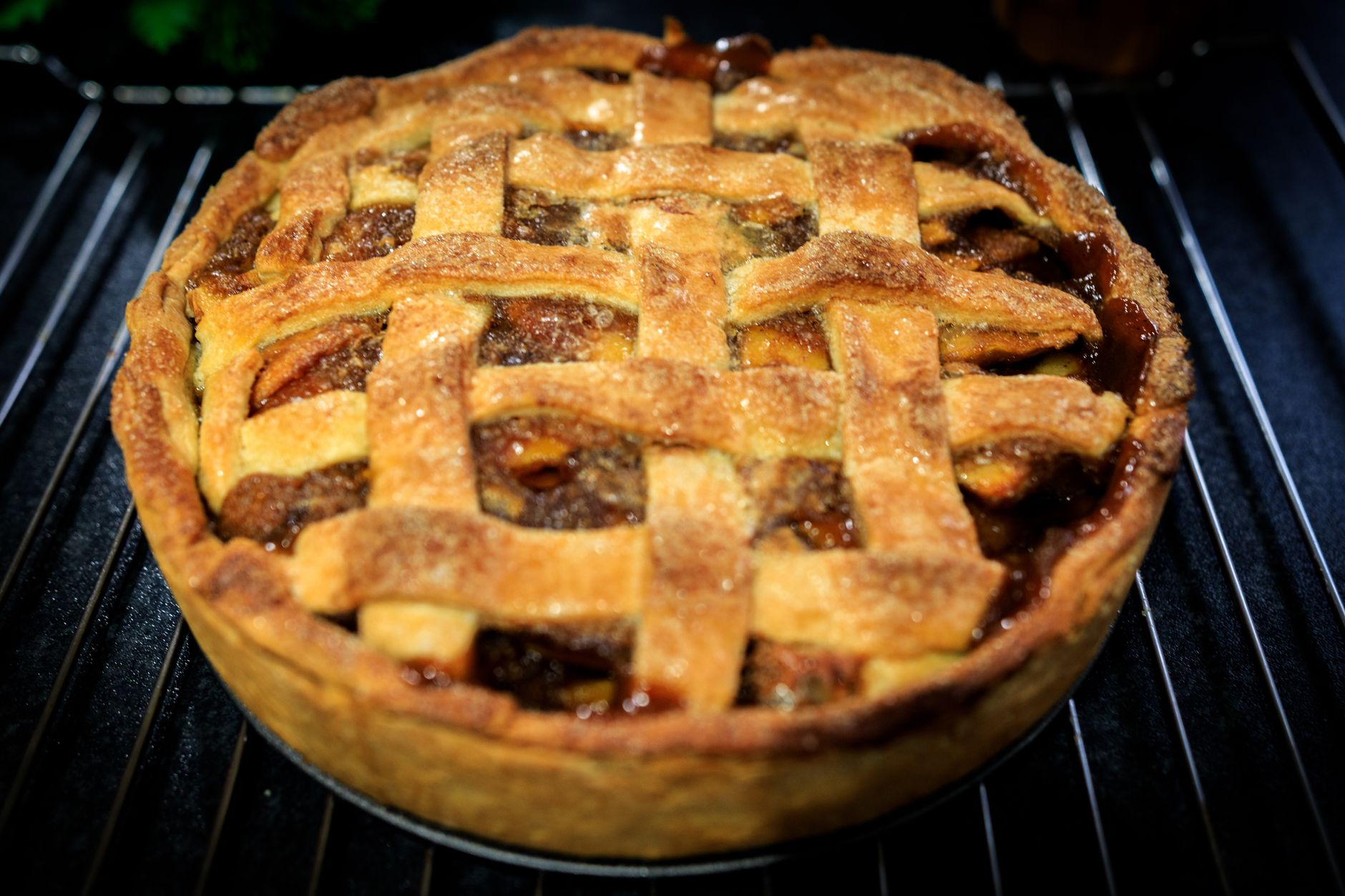
Pies are a beloved addition to any meal, whether they are served as dessert or a savory main dish. Understanding how long pies can last in the fridge is essential for food safety and maintaining quality. Proper storage not only prevents food waste but also ensures that you enjoy all the flavors and textures that pies have to offer.
This article will explore the different types of pies, their refrigeration timelines, and best storage practices. Additionally, you’ll find practical tips to extend their shelf life while keeping them safe for consumption.
How Long Do Pies Last in the Fridge?
Generally, most homemade pies last 3 to 4 days in the refrigerator when properly stored. This timeline can vary depending on whether the pie is fruit-based, cream-based, or savory. Understanding these distinctions is vital for safe and enjoyable eating.
Understanding Different Types of Pies
Pies can be categorized into several types, and each has its own unique storage needs. Below is an overview of the common types of pies and how they should be stored.
Fruit Pies
Fruit pies, such as apple or cherry, are typically made with a filling of fresh or cooked fruit, sugar, and a crust. These pies can last about 3 to 4 days in the fridge. To ensure freshness, cover the pie loosely with plastic wrap or aluminum foil.
Cream Pies
Cream pies, like chocolate cream or coconut cream, are more delicate due to their custard-like fillings. These pies should be consumed within 2 to 3 days when stored in the refrigerator. Keeping them covered is vital to prevent the crust from getting soggy and to protect the filling.
Savory Pies
Savory pies, including quiches or meat pies, can last about 3 to 4 days in the fridge. Cool them completely before refrigerating and cover them properly to retain their moisture and flavor. For extended storage, consider freezing these types of pies.
Custard Pies
Custard-based pies, like egg custard pie, can last 3 to 4 days in the fridge. Similar to cream pies, these should be covered to maintain quality, as they can become watery if exposed to air for too long.
Best Practices for Storing Pies
Proper pie storage is crucial for flavor, texture, and safety. Below are some best practices to keep in mind.
Cooling Before Refrigeration
Allow pies to cool completely before storing them in the fridge. This step prevents condensation from forming inside the storage container, which can lead to sogginess.
Covering Your Pies
Use plastic wrap, aluminum foil, or a pie dome to cover your pies. This helps to protect them from absorbing odors from other foods and keeps them from drying out.
Using Airtight Containers
If space allows, you can transfer sliced or whole pies to airtight containers. This method provides exceptional protection against moisture loss and helps maintain freshness.
Labeling and Dating
When storing pies, especially in the freezer, label them with the date and type of pie. This practice helps you keep track of how long they’ve been stored and ensures that you enjoy them while they’re still fresh.
Freezing Pies for Longer Storage
If you want to extend the life of your pies beyond a week, freezing is a great option. However, not all pies freeze equally. Here’s how to handle various types of pies for freezing.
Freezing Fruit Pies
Fruit pies generally freeze well. To freeze a fruit pie, allow it to cool completely, then wrap it tightly in plastic wrap and aluminum foil. Fruit pies can last in the freezer for up to 6 months. When ready to eat, thaw overnight in the fridge and reheat in the oven for best results.
Freezing Cream Pies
Cream pies don’t generally freeze well due to their fillings. The texture may change upon thawing, resulting in a watery or grainy consistency. However, if necessary, you can freeze the crust separately from the filling and assemble it once thawed.
Freezing Savory Pies
Savory pies freeze nicely. Cool to room temperature, then wrap securely in plastic wrap followed by a layer of aluminum foil. These pies can also be frozen for up to 6 months. To reheat, thaw in the fridge overnight and then bake until heated through.
Freezing Custard Pies
Custard pies are similar to cream pies in that they do not freeze well. It’s best to consume them fresh or within a few days in the fridge. If freezing is necessary, consider freezing the crust separately.
Signs Your Pie Has Gone Bad
Knowing when a pie has gone bad is crucial to avoid foodborne illnesses. Here are some signs to look for:
- Off Odor: If the pie has an unpleasant or sour smell, it’s best to discard it.
- Discoloration: Look for any unexpected discoloration in crust or filling; these can indicate spoilage.
- Mold: The presence of mold is a clear sign to throw out the pie.
- Texture Changes: A change in texture, such as excessive sogginess or hardening of the filling, may indicate spoilage.
Reheating Pies Safely
When ready to enjoy leftover or frozen pies, reheating them properly ensures food safety and quality. Here are some methods for reheating different types of pies.
Reheating Fruit and Savory Pies
- Oven Method: Preheat the oven to 350°F (175°C). Place the pie on a baking sheet and heat for 15-20 minutes or until warmed through.
- Microwave Method: For quicker reheating, place a slice of pie in the microwave and heat on high for 30 seconds to 1 minute. Be cautious, as microwave heating may result in a soggy crust.
Reheating Cream and Custard Pies
It’s generally not recommended to reheat cream or custard pies, as heating can compromise their texture and flavor. Instead, allow them to thaw in the refrigerator if frozen and serve chilled.
Practical Tips for Pie Lovers
Whether you’re making pies from scratch or purchasing them from a bakery, keeping these tips in mind can help enhance your pie experience:
- Plan Ahead: If you want to enjoy pies later, consider making them in advance and storing or freezing them properly.
- Use Fresh Ingredients: The fresher the ingredients, the longer the pie will last and the better it will taste. Always use high-quality fruits, dairy products, and flour when making pies.
- Consider Portions: Freeze individual portions of pie for easy enjoyment without sacrificing quality. This is especially useful for fruit pies.
Conclusion
Understanding how to store pies properly not only ensures their longevity but also preserves the delightful flavors and textures we love. Make sure to keep track of time, use appropriate covering methods, and be vigilant for signs of spoilage. With these practices in mind, you can confidently enjoy your favorite pies for several days, or even months with proper freezing techniques.
If you’re looking for more delicious pie-based plans, consider exploring pie freezing techniques or trying out a strawberry pie filling recipe. Enjoy every delicious slice!