
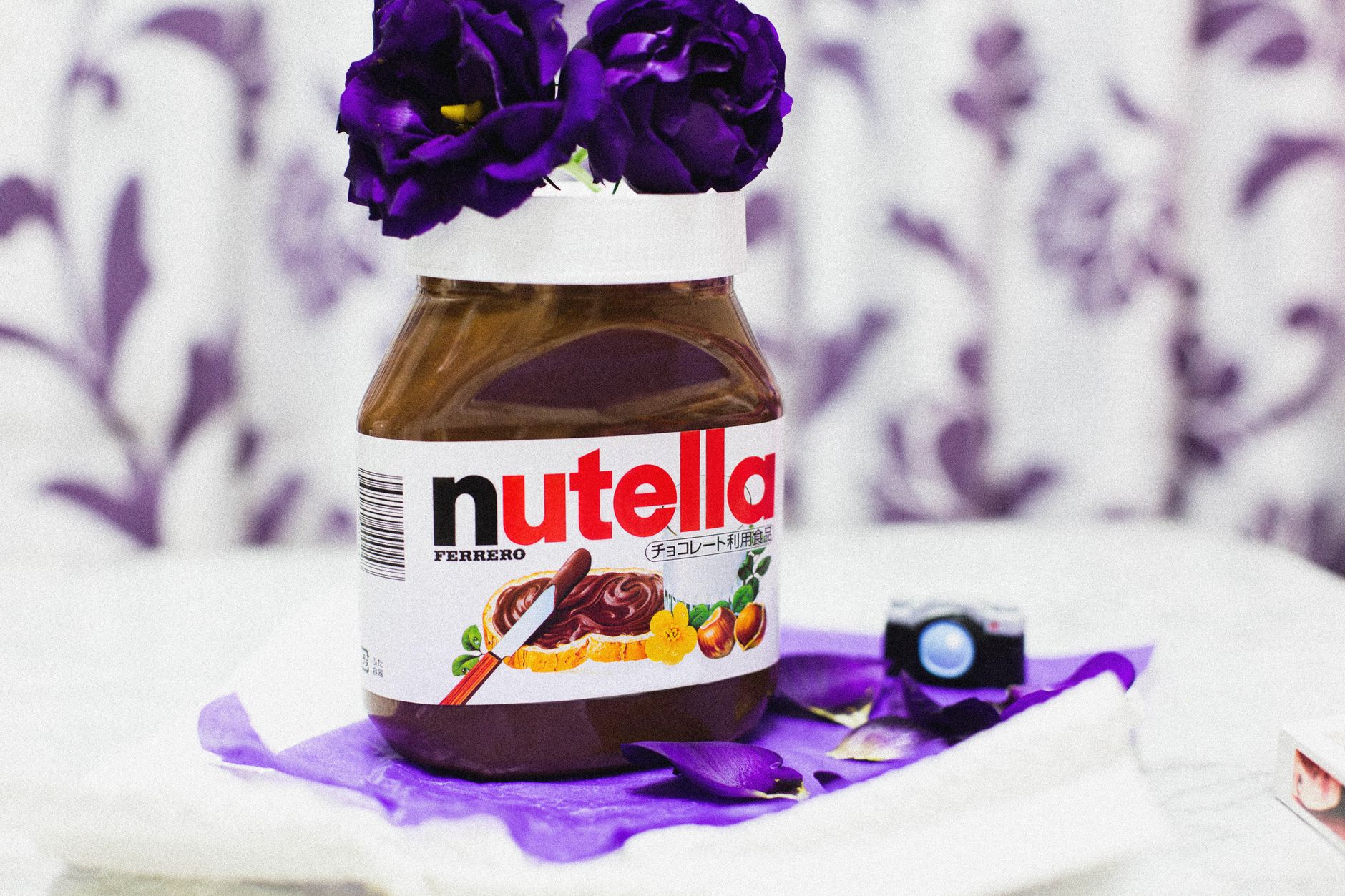
Nutella, the beloved hazelnut spread, is instantly recognizable for its iconic label, adorned with the distinct black “N.” The choice of a black “N” is more than just an aesthetic decision; it contributes to the brand identity and visual appeal of this popular product. In this article, we delve into the reasons behind the black “N” and explore other interesting facts about Nutella.
Beyond its branding, Nutella serves as a versatile ingredient in various culinary applications, from breakfast spreads to decadent desserts. Join us as we separate fact from fiction, discuss the potential uses of Nutella in your cooking, and consider ways to enhance your culinary experience with this delightful paste.
Why Is The N In Nutella Black?
The “N” in Nutella is black primarily for branding consistency and recognition purposes. The brand, owned by the Italian company Ferrero, aims for a distinctive image that stands out on store shelves. The black “N” contrasts with the warm browns and creams of the product itself, drawing attention to the name and making it more memorable for consumers.
Using black for the logo gives Nutella a bold and strong visual appeal, which has contributed to its popularity worldwide. This choice has resonated with consumers, making the product instantly recognizable regardless of language or culture.
A Brief History of Nutella
Nutella was first introduced in 1964 by Ferrero, which had been making confectionery products since 1946. The creation of Nutella was driven by the need to create a delicious and spreadable product from hazelnuts, a staple in Italian cuisine.
The original recipe was rich and creamy, combining hazelnuts with cocoa and sugar. Over the decades, Nutella has evolved, adapting to markets and consumer tastes while maintaining its signature flavor profile. The brand’s marketing strategy, including the distinctive black “N,” has played a crucial role in its global recognition and success.
Nutella’s Flavor and Texture
Nutella boasts a rich, creamy texture, making it ideal for spreading on toast, pancakes, or waffles. The combination of sweetened hazelnuts and cocoa creates a unique flavor profile that is simultaneously nutty and chocolatey. This balance makes Nutella a versatile ingredient in both sweet and savory dishes.
Uses of Nutella in the Kitchen
Nutella’s flavor and texture lend themselves to a variety of culinary uses. Here are some popular ways to incorporate Nutella into your dishes:
- Spread on Bread: The most traditional use of Nutella, simply spread on toast, bagels, or crepes, makes for an indulgent breakfast or snack.
- Baking Ingredient: Nutella can be used in brownies, cakes, cookies, and other baked goods, adding moisture and flavor.
- Filling: Use Nutella as a filling for pastries, donuts, or cupcakes for a delightful surprise.
- Drizzle: Drizzle Nutella over desserts like ice cream or pancakes for an extra touch of sweetness.
- Fruit Dip: Pair Nutella with fresh fruit such as strawberries or bananas for a healthy yet decadent treat.
Practical Tips for Cooking with Nutella
When using Nutella in your recipes, consider these practical tips to enhance your results:
- Temperature: For recipes that require mixing or incorporating Nutella into batter, slightly warming it in a microwave or in a warm water bath can make it easier to work with.
- Balancing Flavors: When using Nutella in baked goods, you may want to adjust the amount of sugar in your recipe since Nutella is already sweet. Taste your mixture and adjust as necessary.
- Storage: Keep Nutella in a cool, dry place. Avoid refrigerating it, as cold temperatures can change its texture.
- Substitutions: In recipes calling for chocolate spread, Nutella can typically be used interchangeably, but be aware that it has a distinct hazelnut flavor that may affect the overall taste.
Interesting Nutella Alternatives
While Nutella is a favorite for many, there are alternatives available that offer similar flavors or textures. Here are a few options to consider:
- Hazelnut Spread: Brands like Justin’s or Nutiva provide nut-based chocolate spreads that are similar in flavor but may contain different ingredients.
- Cocoa and Nut Butter Mix: For a homemade version, blend equal parts of cocoa powder and nut butter (like almond or cashew) with a sweetener of your choice.
- Almond or Cashew Spread: Some people prefer nut butter made from almonds or cashews mixed with cocoa or chocolate for a unique twist.
How to Make a Homemade Nutella Substitute
If you enjoy making your own spreads, here’s a simple recipe to create a hazelnut chocolate spread akin to Nutella:
Ingredients:
- 1 cup hazelnuts
- 2 tablespoons cocoa powder
- 3-4 tablespoons honey or maple syrup (to taste)
- 1 tablespoon vanilla extract
- 1-2 tablespoons vegetable oil (optional for creaminess)
Instructions:
- Roast the Hazelnuts: Preheat the oven to 350°F (175°C). Spread hazelnuts on a baking sheet and roast for 10-12 minutes until fragrant. Let cool for a few minutes. Remove the skins if desired.
- Blend: In a food processor, add the cooled hazelnuts and blend until smooth.
- Add Cocoa and Sweetener: Once smooth, add cocoa powder, honey or maple syrup, vanilla extract, and a drizzle of oil if desired. Blend until incorporated.
- Adjust Consistency: For a creamier consistency, add more oil. Taste and adjust sweetness as necessary.
- Store: Transfer the spread into a jar and refrigerate. Use it within two weeks for best flavor.
Common Mistakes When Cooking with Nutella
Avoid these pitfalls to ensure your Nutella dishes are delightful:
- Overheating: Nutella can become too runny if overheated. Always warm it gently.
- Incorrect Measurements: Since Nutella is sweet, ensure you measure other sweeteners correctly to avoid overly sweet dishes.
- Ignoring Pairing: Nutella’s distinct hazelnut flavor may not work well with every dessert. Pair it strategically.
Ideas for Nutella-Themed Parties
If you’re looking to host a Nutella-themed gathering, here are some fun ideas:
- DIY Nutella Bar: Create a station where guests can customize their Nutella treats with fruits, crackers, cookies, and other toppings.
- Nutella Desserts Contest: Invite guests to bring their favorite Nutella-inspired dessert and hold a tasting competition.
- Crafts and Games: Incorporate features like Nutella-themed crafts or games with prizes for the best idea or most creative dish.
Nutella and Food Pairings
Pairing Nutella with various foods creates delightful combinations. Here are some suggestions:
- Bread: Sourdough or brioche work exceptionally well, providing a lovely contrast with Nutella’s sweetness.
- Fruits: Strawberries, bananas, apples, and pears work well with Nutella as the flavor enhances the fruit’s natural sweetness.
- Cheese: A mild cheese such as cream cheese can offset Nutella’s sweetness, making for an interesting appetizer.
Conclusion
The black “N” in Nutella not only enriches its visual identity but also signifies the brand’s emphasis on quality and recognition. Understanding the origin of this branding choice enhances appreciation for Nutella itself. Whether you’re indulging in its creamy goodness or experimenting with it in your kitchen, Nutella continues to be a versatile ingredient that inspires creativity.
For more delightful information, consider exploring the uses of molasses or looking for vanilla extract substitutes to expand your culinary horizons. Check out what is molasses made from and what is a substitute for vanilla extract for further guidance.