
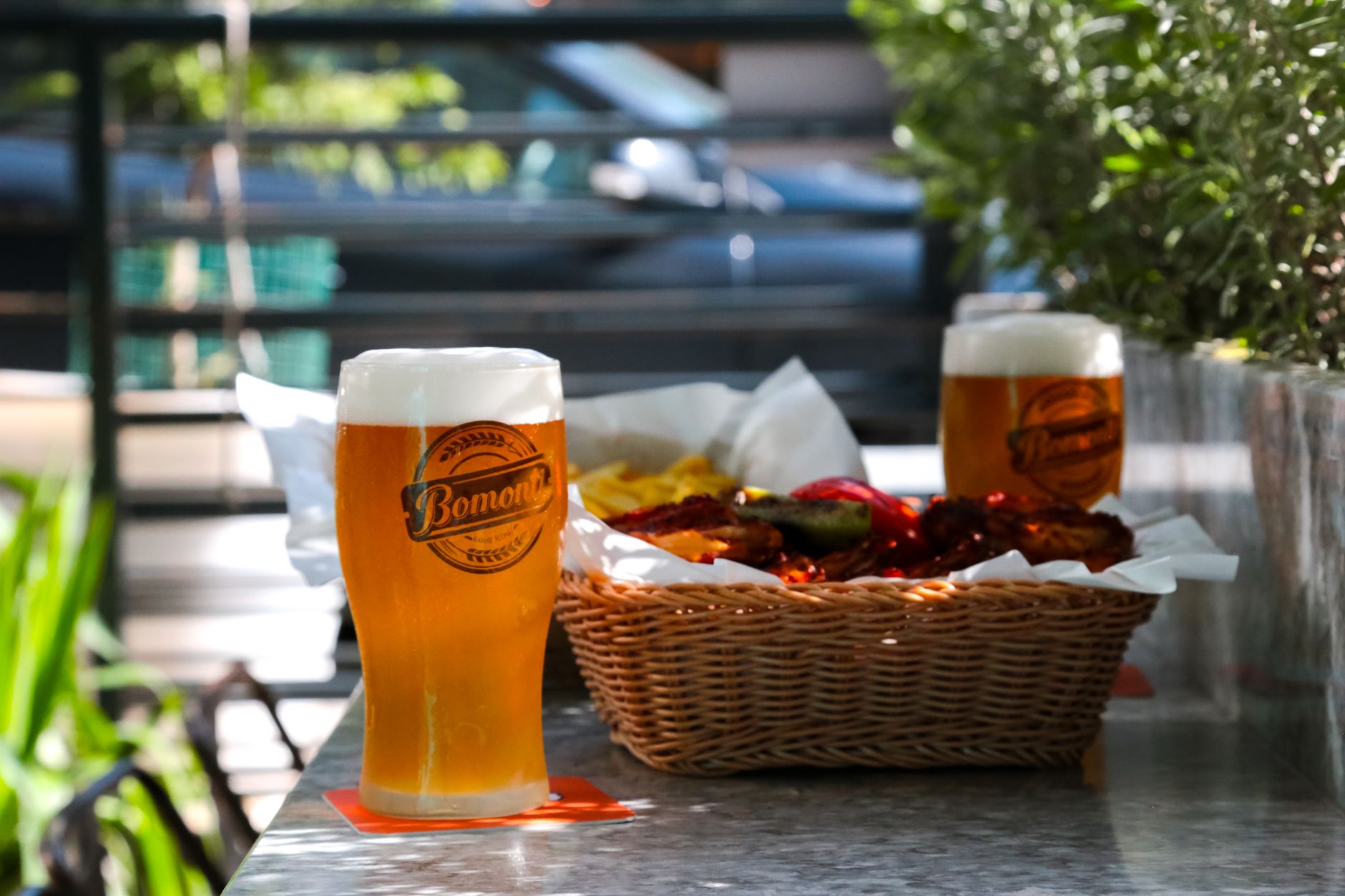
Wheat beer is a distinctive category of beer that highlights the use of wheat as a primary ingredient, giving it a unique flavor profile and hazy appearance. Originating from various brewing traditions around the world, wheat beer often presents a refreshing taste, making it perfect for warm weather and casual gatherings.
This article will explore what wheat beer is, including its ingredients, flavor characteristics, styles, and the best ways to serve it. Whether you’re a seasoned beer enthusiast or a casual drinker, understanding wheat beer can enhance your appreciation of this delightful brew.
What Is Wheat Beer?
Wheat beer is primarily brewed with a significant proportion of wheat, typically around 30% to 50%, in combination with barley. This additional wheat contributes to the beer’s light body, creaminess, and distinctive haze. Wheat beer is often characterized by its refreshing and slightly fruity flavor, making it a popular summer drink.
Ingredients in Wheat Beer
The ingredients used in wheat beer play a critical role in defining its flavor and texture. Here are the main components:
- Wheat: This is the primary ingredient, usually malted wheat or a mix of malted wheat and barley. The wheat contributes to the beer’s cloudy appearance and creamy mouthfeel.
- Barley: Although wheat is the focus, barley is often included to enhance the malt profile and add fermentable sugars.
- Hops: Generally used in smaller quantities than in other beer styles, hops add bitterness and aroma, balancing the sweetness from the malts. Common hop varieties used in wheat beers include Hallertau and Saaz.
- Yeast: The type of yeast used can greatly affect the flavor profile. Wheat beers are often fermented with top-fermenting yeast strains, contributing fruity and spicy notes.
- Water: The water used in brewing also plays a significant role, influencing hardness and mineral content, which can slightly affect flavor.
Flavor Profile of Wheat Beer
The flavor of wheat beer is complex and can vary significantly based on the style and brewing techniques used. Here are some common tasting notes associated with wheat beers:
- Fruity: Many wheat beers have hints of banana, clove, citrus, or other fruity aromas and flavors, often resulting from the yeast used during fermentation.
- Spicy: The yeast-derived phenols can impart spicy notes, particularly clove, enhancing the complexity of the flavor.
- Crisp & Refreshing: Wheat beer is usually light-bodied with a crisp finish, making it an excellent thirst quencher.
- Sweetness: There may be a light sweetness due to the malt, but this is often balanced by the bitterness from the hops.
Styles of Wheat Beer
Wheat beers come in several distinct styles, each with its own unique characteristics. Here are some of the most popular types:
1. Hefeweizen
This traditional German wheat beer is known for its cloudy appearance and fruity flavors. Hefeweizen is brewed with at least 50% wheat and is characterized by notes of banana and clove. The yeast used contributes to its signature aroma and profile.
2. Witbier
Witbier, or Belgian white beer, is another prominent style that incorporates spices and citrus peel, typically coriander and orange peel. These additions offer a refreshing taste and aromatic complexity, often with a slightly cloudy appearance.
3. American Wheat Beer
This style tends to be less fruity than its European counterparts. It often focuses on the malt profile, with moderate hop bitterness. American wheat beers are generally lighter and more straightforward in flavor.
4. Dunkelweizen
A darker version of Hefeweizen, Dunkelweizen includes roasted malts, giving it flavors of caramel and chocolate along with banana and clove notes. It has a fuller body and deeper color while retaining the wheat beer’s signature characteristics.
5. Weizenbock
This is a strong variation of wheat beer that features robust flavors, including rich malt and fruity sweetness. Weizenbocks are often darker and more full-bodied, making them a perfect option for cooler weather.
How to Serve Wheat Beer
Serving wheat beer properly enhances its flavors and aromas. Here’s how to best serve this delightful brew:
Temperature
Wheat beers are ideally served chilled but not ice-cold, typically around 40°F to 50°F (4°C to 10°C). Chilling enhances the refreshing qualities while allowing the flavors to shine.
Glassware
Using the right glassware helps showcase the beer’s characteristics. Common choices for wheat beers include:
- Weizen Glass: This tall, curved glass highlights the beer’s carbonation and aroma while providing ample space for the head.
- Pint Glass: A traditional choice, it allows for easy pouring and is suitable for more casual settings.
Pouring Technique
- Begin by pouring gently to create a good amount of head, which helps to release aromas.
- As the glass begins to fill, tilt it at a 45-degree angle, then gradually return it to an upright position to allow for a healthy foam.
- For Hefeweizens and Witbiers, it’s common to swirl the bottle or can at the end of pouring to incorporate the yeast or sediment into the glass, enhancing flavor and mouthfeel.
Food Pairings with Wheat Beer
Wheat beers pair beautifully with a variety of dishes due to their unique flavor profiles. Here are some suggestions for complementary food pairings:
- Seafood: The lightness and refreshing qualities of wheat beers make them an excellent match for shrimp, ceviche, or grilled white fish.
- Salads: Pair with salads featuring citrus or vinaigrettes that complement the beer’s fruity notes.
- Poultry: Grilled chicken or turkey with herbs work well with the crispness of wheat beer.
- Spicy Dishes: The refreshing nature of wheat beer can balance out spicy foods, such as Thai or Mexican cuisine.
- Cheese: Soft cheeses like goat cheese or creamy brie enhance the light and fruity flavors of wheat beer.
Common Mistakes When Brewing Wheat Beer
For those interested in brewing their wheat beer, being aware of common mistakes can lead to greater success. Here are a few pitfalls to watch out for:
- Insufficient Wheat: If the wheat content is too low, the beer may lack the desired mouthfeel and cloudiness.
- Poor Yeast Management: Given the importance of yeast in wheat beer, improper handling or fermentation can result in off-flavors.
- Temperature Control: Wheat beers benefit from a specific fermentation temperature range, and straying too far can produce undesirable flavors.
- Skipping the Dry Hopping: If applicable, not dry hopping can miss the opportunity to deepen and enhance the beer’s aroma.
Storing Wheat Beer
Correctly storing wheat beer can maintain its flavors and qualities. Follow these tips to preserve your brews:
- Keep it Cool: Store wheat beers in a cool, dark place at a stable temperature—ideally between 45°F and 55°F (7°C to 13°C).
- Avoid Sunlight: Light can skunk beer, so keep it in a dark environment, ideally in a box or wrap.
- Horizontal Position: If the beer is in bottles with corks, store them horizontally to keep the cork moist and prevent air from entering.
Conclusion
Wheat beer is a versatile and flavorful category that brings a refreshing twist to any dining experience or gathering. With its varied styles, unique flavor profiles, and ideal food pairings, wheat beer is a delightful choice for both casual drinkers and serious beer enthusiasts alike. Understanding its ingredients and characteristics can enhance not only your enjoyment of wheat beer but also your selection process when choosing a brew.
For those looking to explore various beer styles, consider learning about Pilsners or trying your hand at a fun beer can chicken recipe to pair with your wheat beer selection. Enjoy responsibly!