
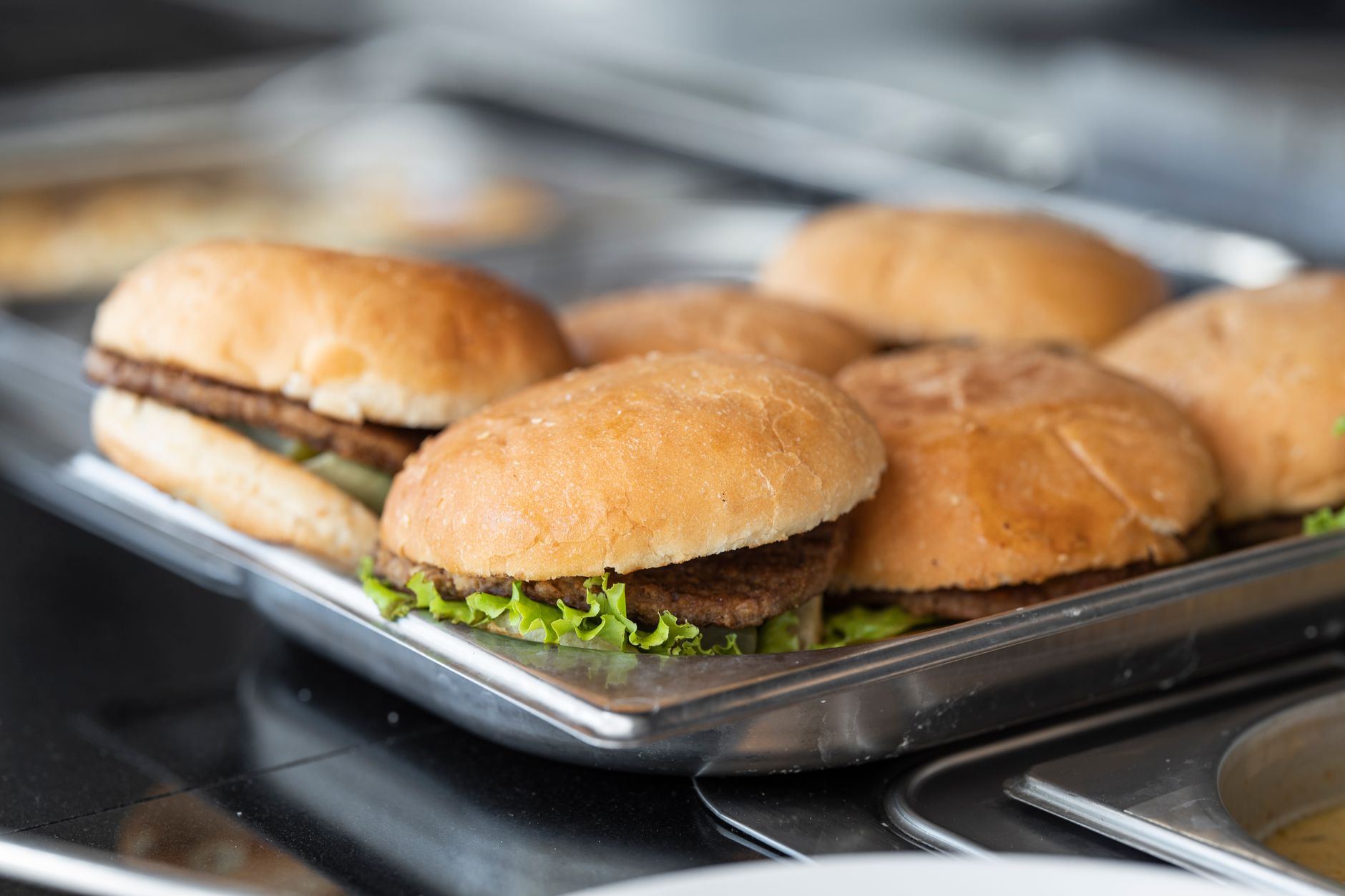
China does indeed have McDonald’s restaurants, with a significant presence throughout the country. Since their introduction in the early 1990s, McDonald’s has adapted their menu to cater to local tastes, offering unique items alongside their classic offerings.
This article explores the presence of McDonald’s in China, the specific menu items available, their ingredients, and some serving tips for those interested in experiencing this fast-food giant’s offerings in a distinctly Chinese context.
Does China Have McDonald’s?
Yes, McDonald’s has a robust presence in China, operating thousands of locations across the country. The restaurant chain is known for not only its iconic burgers and fries but also for its localized menu items that reflect Chinese culinary tastes.
The Evolution of McDonald’s in China
McDonald’s opened its first restaurant in Shenzhen in 1990, marking the beginning of significant expansion in China. Since then, it has grown to be one of the most well-known fast-food chains in the country. The company has faced challenges and competition but has continued to innovate.
In recent years, McDonald’s has shifted focus towards modernization, incorporating digital ordering kiosks, delivery options, and a more inviting dining atmosphere. Even with these changes, the chain has kept its classic menu while also introducing unique items that cater to Chinese palates.
Menu Items Available in China
The McDonald’s menu in China features a variety of items that are either adaptations of classic offerings or entirely new items specific to the region. Here’s a closer look at what you can find:
Signature Items
- Burger Flavors: The Teriyaki McBurger is a popular item, featuring a grilled beef patty topped with teriyaki sauce and mayo, capturing a flavor profile favored in Asian cuisines.
- McSpicy Chicken: A spicy fried chicken sandwich that is a hit among local customers, offering a kick that aligns with regional taste preferences.
- Seaweed Shaker Fries: French fries topped with a unique seaweed seasoning blend offer a twist on the classic side.
Localized Dishes
- Rice Burgers: These are a fusion of traditional burger elements with sticky rice buns, offering a gluten-free option that resonates with local preparation methods.
- Spicy McWings: Chicken wings seasoned with a signature blend that delivers a more intense flavor experience, appealing to those who enjoy spicy dishes.
- Noodle Dishes: In some locations, McDonald’s has experimented with noodle items that showcase local styles, such as spicy beef noodle soup.
Desserts and Beverages
- Mango Sago Dessert: A sweet dessert featuring mango pudding topped with sago pearls, providing a unique flavor that resonates with local dessert preferences.
- Green Tea McFlurry: Another local adaptation, this dessert mixes vanilla soft serve with green tea-flavored syrup, a nod to one of China’s favorite flavors.
- Fruit Smoothies: Seasonal fruit smoothies are often available, utilizing ingredients like mango and watermelon.
Ingredients in Chinese McDonald’s Menu Items
The ingredients used in McDonald’s offerings in China can vary significantly from those found in other global markets. Here’s a breakdown of some common ingredients:
Main Ingredients
- Meats: Chicken, beef, and fish are sourced locally, typically marinated or seasoned to align with Chinese taste preferences.
- Vegetables: Ingredients like lettuce, tomatoes, and various pickles are commonly used, focusing on freshness and flavor.
- Condiments: Traditional sauces like soy sauce, teriyaki sauce, and various chili sauces are incorporated into many menu items.
Serving Tips
When enjoying McDonald’s in China, consider these serving tips to enhance your experience:
- Pair Spicy Items with Drinks: The Spicy McWings and McSpicy Chicken go well with refreshing beverages like lemon tea or fruit-based drinks to balance the heat.
- Explore Unique Desserts: Don’t skip the now-famous Mango Sago Dessert. It represents a perfect blend of Western fast food and local dessert culture.
- Share: McDonald’s in China often encourages sharing meals; opt for larger combo meals that are designed for groups.
Regional Variations and Adapting to Local Tastes
McDonald’s has made considerable efforts to localize its menu in China to cater to regional preferences and food traditions. This is essential not only for attracting local customers but also for competing against other fast-food chains that offer similar localized fare.
Menu Items That Reflect Regional Influence
- Cantonese Influences: In southern China, you’ll find items like the rice burger which caters to the local preference for rice as a staple.
- Sichuan Spices: Expect to see spicier offerings in areas like Sichuan province, where the food culture revolves around bold flavors.
- Seasonal Items: McDonald’s occasionally introduces items that are available only for a limited time, often relating to local festivals or regional favorites.
Challenges Faced by McDonald’s in China
While McDonald’s has carved out a significant niche in the Chinese market, it has faced various challenges such as intense competition, changing consumer preferences, and issues related to health consciousness.
Competition with Local Brands
Local brands often offer fresh, quick food options that resonate well with health-conscious consumers. They also emphasize traditional cooking methods that appeal to a demographic leaning towards authenticity.
Health Trends
With a rise in health consciousness among Chinese consumers, McDonald’s has incorporated more salads and lighter fare into their offerings, responding to demands for healthier food options.
Future of McDonald’s in China
Looking ahead, McDonald’s will likely continue to adapt its menu to stay relevant in an ever-evolving market. The focus on digital innovation and menu localization suggests that the company aims to deepen its connection with Chinese consumers.
Conclusion
McDonald’s has successfully established itself in China, offering a unique menu that fuses traditional American fast food with local flavors and dishes. Exploring the various offerings provides an engaging way to understand how international brands adapt to different cultural contexts.
For those interested in trying out Chinese cuisine at home, consider exploring recipes like General Tso’s Chicken or Beijing Beef, both of which creatively adapt flavors and techniques from traditional Chinese cooking, similar to how McDonald’s has adjusted its menu in China. For these recipes, check out General Tso’s Sauce Recipe and Beijing Beef Recipe.