
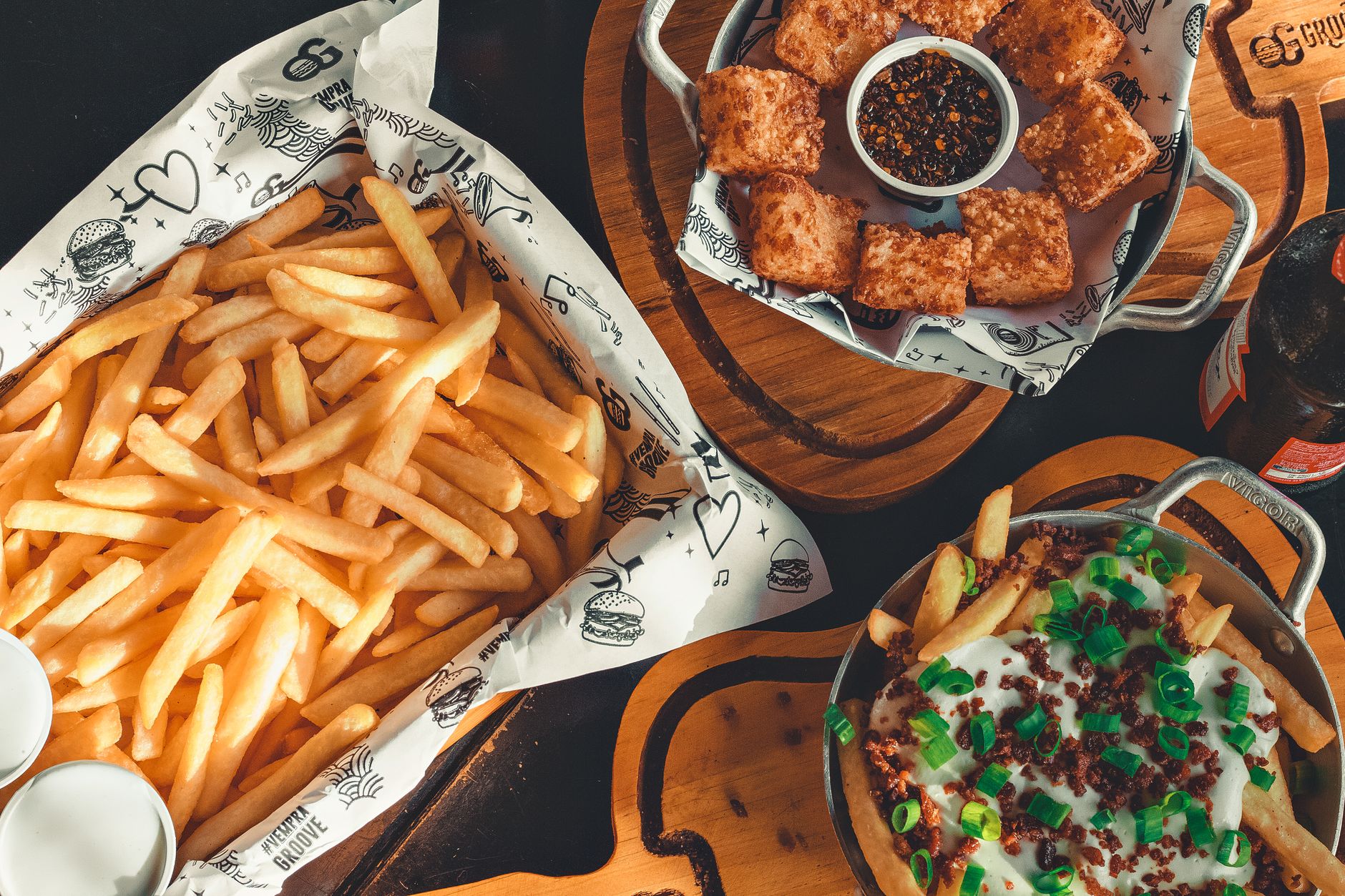
Fried food is undeniably popular, often found in restaurants, food trucks, and home kitchens. While its crispy texture and rich flavors can be tempting, it’s essential to understand the health implications of consuming fried foods regularly.
This article explores why fried food is considered unhealthy, examining its nutritional content, cooking methods, and potential health risks associated with overindulgence.
Why Is Fried Food Bad for You?
Fried food is widely regarded as unhealthy primarily due to its high fat and calorie content, as well as the potential formation of harmful substances during the frying process. These factors can lead to various health issues, including obesity, heart disease, and diabetes.
Nutritional Disadvantages of Fried Foods
To understand why fried foods can be detrimental to our health, it’s crucial to look at their nutritional profile.
High Caloric Content
Frying food typically increases its calorie density. This is because oil is absorbed into the food during cooking. For example, a piece of fried chicken can contain more than double the calories compared to a baked or grilled version. This can lead to weight gain if consumed frequently without balancing the calories with physical activity.
Trans Fats and Saturated Fats
Many fried foods are cooked in oils that contain high levels of trans fats or saturated fats. Trans fats are particularly harmful as they can raise bad cholesterol (LDL) levels while lowering good cholesterol (HDL) levels, increasing the risk of heart disease. Even if oils are marketed as “healthy,” frying can still create harmful compounds.
Loss of Nutritional Value
Frying can diminish the nutritional content of food. For instance, vegetables lose many vitamins, such as vitamin C and several B vitamins, when fried. In contrast, steaming or sautéing vegetables preserves their nutritional value while still enhancing flavors.
Health Risks Associated With Fried Foods
The frequent consumption of fried foods is linked to several significant health risks.
Obesity
Regular intake of high-calorie fried foods can contribute to obesity, especially when they displace healthier options. Obesity is a known risk factor for various chronic diseases, including type 2 diabetes, heart disease, and certain cancers.
Heart Disease
The association between fried food consumption and heart disease is well-documented. The high levels of unhealthy fats in fried foods can lead to the development of plaques in the arteries, ultimately resulting in heart attacks or strokes.
Type 2 Diabetes
Consuming fried foods can increase the risk of developing type 2 diabetes, mainly due to their high calorie and fat content, which can contribute to insulin resistance. A diet high in fried foods can lead to higher body fat, leading to further insulin sensitivity issues.
Digestive Issues
Fried foods can be harder to digest, causing gastrointestinal distress for some individuals. The high fat content can lead to bloating, gas, and indigestion, especially if consumed in large quantities.
Cooking Methods and Their Impact
The method of frying also plays a significant role in the healthfulness of fried foods.
Deep Frying vs. Shallow Frying
Deep frying typically involves submerging food in hot oil, which can lead to even higher fat absorption compared to shallow frying, where food is cooked in a smaller amount of oil. If frying is necessary, shallow frying may be slightly healthier due to the reduced oil intake.
Oil Type Matters
Not all oils are created equal. Oils with high levels of polyunsaturated fats, such as olive or canola oil, can be somewhat healthier when used for frying due to their omega-3 fatty acids. Conversely, oils that are high in saturated fats, like coconut oil, should be used sparingly.
Temperature Control
Frying foods at excessively high temperatures can lead to the formation of acrolein, a toxic compound formed when oil smokes. Proper temperature control can help minimize harmful byproducts while also ensuring that food cooks evenly.
Potential Alternatives to Frying
Fortunately, there are several cooking methods that provide delicious, crispy textures without the health risks associated with frying.
Baking
Baking food, especially when coated with a light layer of oil or a flavorful seasoning, can create a satisfying crunch without excessive calories or fat. Oven-fried recipes are widely available and can replicate the taste of fried foods with far less oil.
Air Frying
Air fryers circulate hot air around food to achieve a crispy texture, requiring significantly less oil than traditional frying. While some nutritionists consider air-fried foods healthier, it’s still crucial to be mindful of portion sizes.
Sautéing
Sautéing or stir-frying is another healthy alternative to frying, enabling the use of minimal oil and pan sizes to cook food quickly. This method also helps retain nutrients that would be lost in deep frying.
Portion Control and Moderation
Understanding portion sizes is vital when it comes to enjoying fried foods while maintaining a balanced diet.
Understanding Serving Sizes
Typical serving sizes for fried foods can be more than recommended. For instance, the American Heart Association suggests that a serving of meat should be about the size of a deck of cards, but this can be easily exceeded with fried options.
Moderation Is Key
Fried food doesn’t have to be completely eliminated from your diet. Instead, consider treating fried items as an occasional indulgence rather than a staple. Following the 80/20 rule—where 80% of your diet consists of healthy options and 20% includes treats—may help mitigate the negative effects of fried foods.
Making Healthier Fried Food Choices
If you choose to indulge in fried foods, there are ways to make smarter choices.
Homemade Alternatives
Consider making fried foods at home to control the type of oil used and the cooking method. Homemade fried foods can often be lighter and more nutritious than those from restaurants.
Choose Wisely
When eating out, select fried foods made from whole, minimally processed ingredients. Opt for lighter batters or breading, such as whole grain or almond flour, to consume fewer refined carbs and unhealthy fats.
Pairing Matters
Balance fried foods with healthier items. For instance, if you indulge in fried chicken, make sure to include a large serving of steamed vegetables or a fresh salad to help create a well-rounded meal.
Understanding Common Fried Foods
Some fried foods are more common than others, and understanding their nutritional profiles can help you make better choices.
French Fries
- Calories: A medium serving of French fries can contain around 365 calories.
- Fats: High in unhealthy fats due to frying.
- Alternatives: Oven-roasted sweet potato fries can offer more nutrients with fewer calories.
Fried Chicken
- Calories: A piece of fried chicken can hold anywhere from 250 to 400 calories, varying based on parts and skin.
- Fats: High saturated fat content can be detrimental to heart health.
- Alternatives: Grilled or baked chicken seasoned with spices provides a lower-calorie yet flavorful option.
Fried Fish
- Calories: Fried fish can feature around 300 calories per serving.
- Fats: Depending on the batter used, fried fish can also harbor unhealthy fats.
- Alternatives: Grilled or baked fish seasoned with herbs and a drizzle of olive oil brings health benefits without sacrificing taste.
Common Mistakes to Avoid
A few typical mistakes can lead to unhealthy outcomes when consuming fried foods.
Overindulgence
It’s easy to go overboard with portion sizes when it comes to fried foods. Being mindful of servings and incorporating them into a balanced meal can help.
Ignoring Ingredients
Many people may not consider the types of breads, coatings, or oils used in fried items. Always read labels or ask about preparation methods when eating out.
Thinking All Fried Foods Are Equal
Not all fried foods hold the same nutritional value. Recognizing the difference between fast-food options and home-cooked choices is essential in making healthier decisions.
Storage and Reheating Guidance
Improper storage of fried foods can lead to a loss of quality and flavor. Here are some tips.
Storing Leftovers
Fried foods should be stored in an airtight container in the refrigerator, ideally enjoyed within 2-3 days to maintain optimal taste. Avoid leaving fried items at room temperature for prolonged periods to prevent bacterial growth and spoilage.
Reheating Fried Foods
When reheating fried foods, using an oven or air fryer is preferable to a microwave. Microwaves can render fried food soggy. Set the oven to around 350°F (175°C) and reheat until they regain their crispiness.
Summary
Fried food, while delicious, poses numerous health risks when consumed excessively. The high caloric content, unhealthy fats, and loss of nutrients indicate the need for moderation. Opting for healthier cooking methods and being mindful of portion sizes can help satisfy cravings without compromising health. When possible, choose healthier alternatives and pair fried foods with nutritious options for balance.
For more delicious recipes, consider checking out our fried squash recipe and our fried cornbread recipe for a delightful twist on fried foods.