
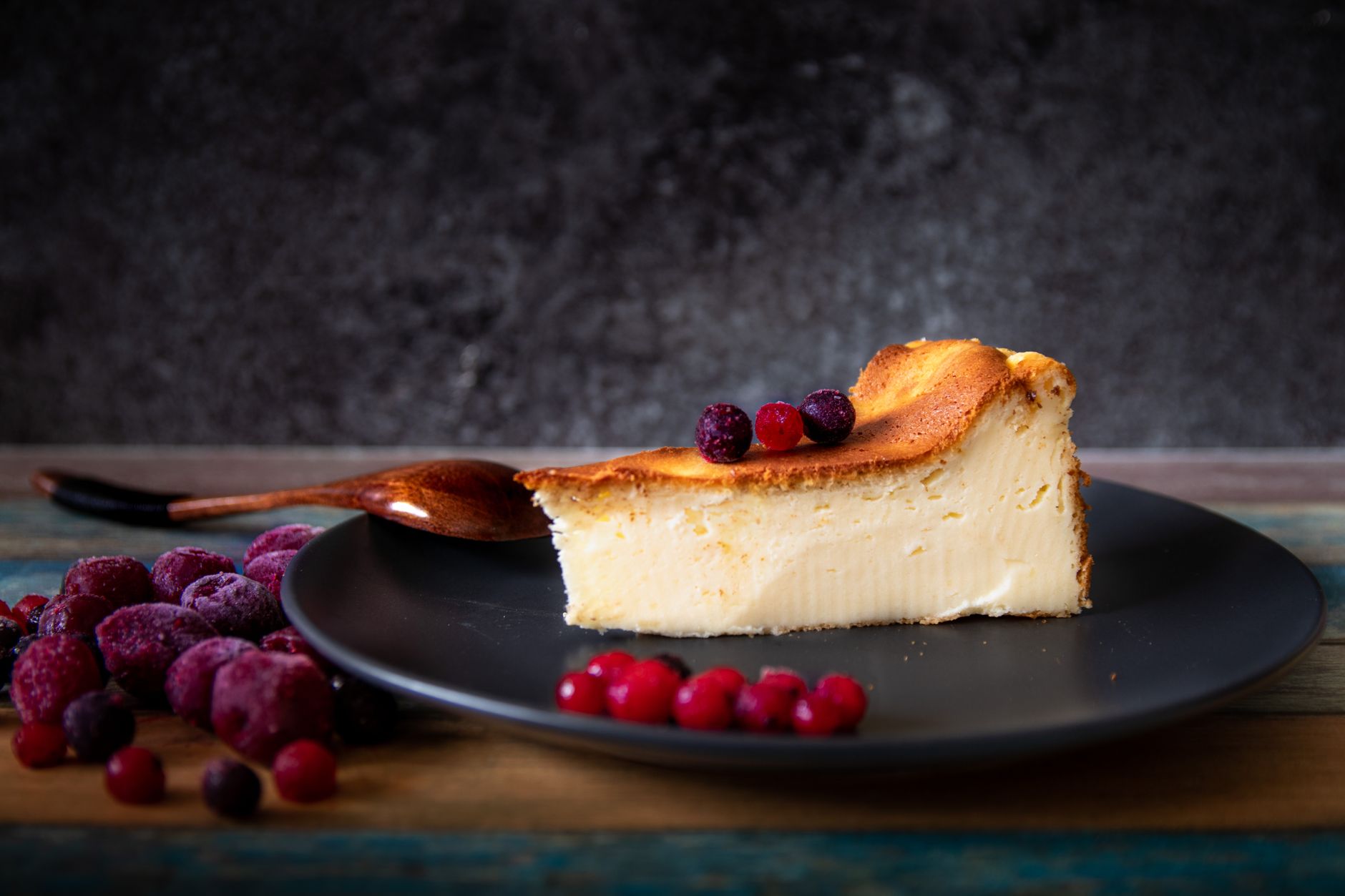
Cheesecake is a dessert loved by many for its rich, creamy texture and delightful flavors. However, one of the most common issues faced while baking cheesecake is the dreaded crack that appears on the surface. This unsightly flaw can be disheartening, especially when serving guests. Understanding why cheesecake cracks is essential for achieving that perfect finish.
In this article, we will delve into the causes of cheesecake cracks, provide tips for how to prevent them, and explore techniques to ensure a smooth, beautiful cheesecake every time you bake. If you’ve ever wondered “Why does cheesecake crack?” or want to elevate your baking skills, keep reading.
Why Does Cheesecake Crack?
Cheesecake cracks primarily due to a combination of factors including temperature, mixing techniques, and baking methods. Both the ingredients and the baking process play critical roles in determining the final texture of your cheesecake. Understanding these elements can help you prevent cracks and achieve a flawless dessert.
Common Causes of Cracks in Cheesecake
1. Temperature Changes
One of the leading causes of cracking in cheesecakes is rapid temperature changes. Cheesecake is a delicate dessert that relies on gentle heat for baking. If the cheesecake is exposed to high heat too quickly or removed from the oven too abruptly, it can cause the surface to crack.
- Cold Ingredients: Using cold cream cheese or eggs can cause the batter to be unevenly mixed, leading to air pockets that expand during baking, causing cracks.
- Oven Temperature: Baking at too high a temperature can cause the outer edges to cook faster than the center, leading to cracks. An oven thermometer can help ensure your oven is at the correct temperature.
- Sudden Cooling: Removing the cheesecake from the oven too quickly can cause it to contract rapidly, resulting in cracks.
2. Overmixing the Batter
Overmixing the batter incorporates too much air, which can expand during baking and cause the cheesecake to rise and crack. It’s vital to mix the ingredients just until combined.
- Mixing Method: Use a low speed on your mixer, and combine the ingredients carefully to avoid introducing excess air.
- Texture Checks: The batter should be smooth without lumps, but be cautious not to mix longer than necessary.
3. Ingredient Ratios
The ratios of your ingredients can also affect the structure of your cheesecake. An unbalanced mixture can lead to an unstable cheesecake that cracks.
- Too Much Sugar: Excessive sugar can weaken the stability of the cheesecake.
- Insufficient Eggs: Eggs provide the necessary structure. A lack of eggs can lead to a fragile cheesecake.
4. Using the Wrong Pan
The baking pan you choose can also impact the finished product. A springform pan is commonly used for cheesecake, but the quality can vary.
- Pan Material: A thin pan may heat unevenly, leading to cracks. Consider using a heavy-duty springform pan for more even heat distribution.
- Sealing the Pan: Ensure that your pan is properly sealed to prevent water from leaking in if using a water bath.
5. Baking Methods
The method used to bake your cheesecake significantly influences how it sets. Various baking methods can yield different outcomes.
- Water Bath: Baking your cheesecake in a water bath helps maintain a consistent temperature and moisture level, reducing the risk of cracking.
- Dry Baking: Baking directly without moisture can cause the cheesecake to dry out, leading to cracks.
Preventing Cheesecake Cracks
Now that we know the causes, let’s look at some effective strategies to prevent your cheesecake from cracking in the first place. By implementing these techniques, you can enhance the stability of your cheesecake.
1. Use Room Temperature Ingredients
Allow your cream cheese, eggs, and any dairy products to come to room temperature before mixing. This practice ensures a smoother batter and reduces the chances of cracks.
2. Bake at a Controlled Temperature
Adhere to the recommended baking temperature for your cheesecake recipe, typically around 300°F to 350°F (150°C to 180°C). Consider using an oven thermometer to verify the accuracy of your oven settings.
3. Avoid Overmixing
Mix your ingredients just until combined. Use a spatula to fold the batter gently, which helps minimize air bubbles that could expand during baking.
4. Use a Water Bath
To bake your cheesecake in a water bath, wrap your springform pan tightly with aluminum foil to prevent water from leaking in. Place the wrapped pan in a larger roasting pan filled with hot water. This method helps maintain moisture and creates a stable baking environment.
5. Monitor Doneness Carefully
Cheesecake is done when the edges appear set, but the center may still look slightly jiggly. The residual heat will continue to cook the cheesecake even after it’s out of the oven.
6. Let It Cool Gradually
After baking, turn off the oven and crack the door open. Allow the cheesecake to cool slowly in the oven for about an hour. This gradual cooling helps prevent cracks caused by a sudden temperature drop.
7. Chill Properly
Once the cheesecake has cooled to room temperature, refrigerate it for at least 4 hours or overnight. Chilling helps the cheesecake set firmly and reduces the risk of cracks.
Fixing Cracks in Cheesecake
Even with the best precautions, cracks can still happen. Fortunately, there are ways to salvage a cracked cheesecake.
1. Frosting or Topping
One of the simplest solutions is to cover the cracks with a layer of flavorful topping, such as whipped cream, chocolate ganache, or fruit compote. This not only hides imperfections but also adds flavor and visual appeal.
2. Smooth Over with Ganache or Glaze
If cracks are minimal, you can smooth them over with a chocolate ganache or a thin layer of cheesecake batter before chilling again. This can create a more seamless appearance.
3. Decorative Elements
Use fresh berries, chocolate shavings, or even edible flowers as decorative elements to distract from the cracks. Creativity can turn an imperfect cheesecake into a stunning centerpiece.
Conclusion
Understanding why cheesecake cracks and how to prevent it can elevate your baking game significantly. By keeping temperature consistent, mixing properly, and employing effective baking techniques like the water bath, you can create a smooth and appealing cheesecake every time. Don’t be disheartened by cracks; even the most beautifully crafted cheesecakes may have their imperfections. Just remember, there are always creative ways to enhance your dessert!
Ready to bake? Explore our delicious cherry cheesecake recipe for a tasty twist, or try our protein cheesecake recipe for a healthier option. Happy baking!