
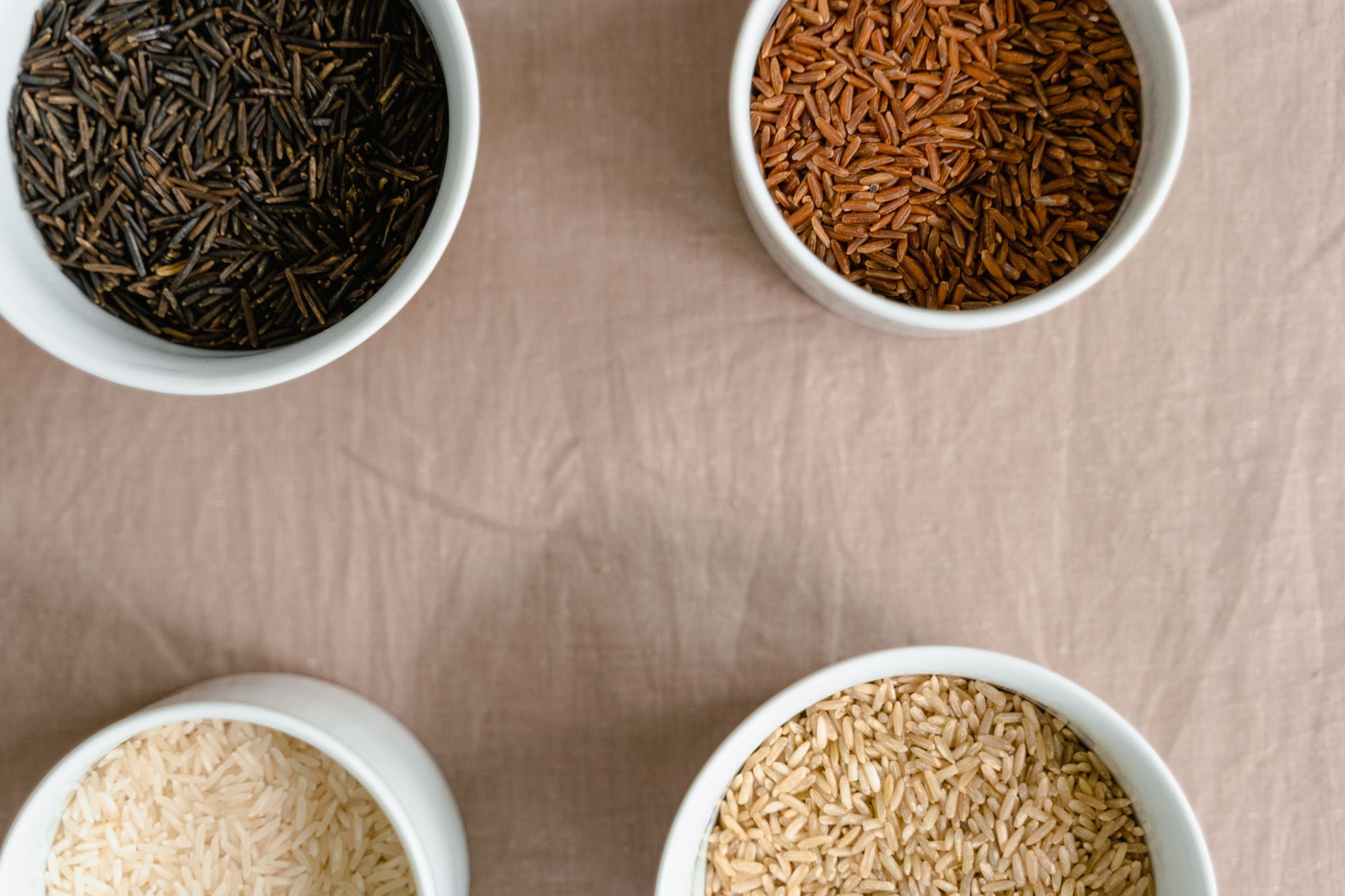
Wild rice is often lauded for its nutty flavor and chewy texture, making it a delightful addition to many dishes. But for those with gluten sensitivities or celiac disease, a key question arises: Is wild rice gluten free? Understanding its composition and how to properly read labels can help you make informed dietary choices.
This guide explores whether wild rice is safe for gluten-free diets, offers ingredient tips, and provides insights into label reading. With the right knowledge, you can confidently add wild rice to your meals.
Is Wild Rice Gluten Free?
Yes, wild rice is gluten free. It is actually not a true rice but a seed from an aquatic grass species native to North America. Since it doesn’t come from the wheat family or any other gluten-containing grains, it is safe for individuals who follow a gluten-free diet.
Understanding Wild Rice: A Brief Overview
Wild rice refers to the grains harvested from aquatic grasses and typically comes in several varieties, including North American wild rice, which is often dark brown or black. Aside from its unique flavor and texture, wild rice is packed with nutrients, offering protein, fiber, and antioxidants.
There are several reasons to incorporate wild rice into your meals, including:
- High nutritional value
- Distinct flavor profile
- Versatile cooking applications
Label-Reading Tips for Gluten-Free Goodness
Even though wild rice itself is gluten free, it’s crucial to read labels carefully, especially when purchasing pre-packaged products. Here are some helpful tips:
1. Look for Certified Gluten-Free Labels
When shopping, choose wild rice products labeled “certified gluten free.” This certification ensures that the product has been tested and meets strict gluten-free standards.
2. Check for Cross-Contamination
Wild rice can be subject to cross-contamination during processing. If a product is processed in a facility that also handles gluten-containing grains, it may not be safe for those with severe gluten allergies. Always opt for brands that specify their gluten-free handling practices.
3. Review the Ingredients List
Always examine the ingredients list for any additional ingredients that may contain gluten. Some wild rice products include additives or flavorings that could contain gluten sources. Aim for pure wild rice with no additional ingredients.
Cooking Wild Rice: Techniques and Tips
Cooking wild rice can be straightforward, but it requires a bit more time than regular white rice. Here is a simple guide to help you prepare it perfectly every time.
Ingredients for Cooking Wild Rice
- 1 cup wild rice
- 3 to 4 cups of water or broth (vegetable or chicken, gluten-free)
- Salt (to taste)
Essential Equipment
- Large saucepan with a lid
- Measuring cups
- Wooden spoon or spatula
- Colander (for rinsing)
Step-by-Step Cooking Method
- Rinse the wild rice under cold water in a colander to remove any debris or excess starch.
- In a large saucepan, combine the rinsed wild rice with 3 to 4 cups of water or broth. The amount of liquid can be tailored based on your preferred texture.
- Add salt to taste, if desired.
- Bring the water or broth to a boil over medium-high heat.
- Once boiling, reduce the heat to low, cover the saucepan with a lid, and simmer for 45 to 60 minutes. Wild rice is ready when the grains burst open and have a chewy texture.
- When finished cooking, drain any excess liquid and fluff the rice with a fork.
Common Mistakes to Avoid
- Not rinsing the rice: Rinsing helps remove debris and excess starch, promoting better texture.
- Using too little liquid: Wild rice requires a higher liquid-to-rice ratio than traditional rice to cook properly.
- Overcooking: Keep an eye on the cooking time to prevent wild rice from becoming mushy.
Flavor Pairings and Serving Suggestions
Wild rice has a versatile flavor profile that pairs well with various ingredients. Here are some ideas to inspire your culinary creativity:
Flavor Pairings
- Vegetables: Roasted or sautéed veggies like mushrooms, carrots, or bell peppers
- Nuts: Almonds or pecans add a nice crunch
- Herbs: Fresh herbs such as parsley, thyme, or rosemary enhance flavor
- Cheese: A sprinkle of feta or goat cheese can elevate wild rice dishes
- Fruits: Dried fruits like cranberries or cherries add a hint of sweetness
Serving Suggestions
- As a side dish: Serve wild rice alongside grilled chicken or fish.
- In salads: Combine with fresh greens, vegetables, nuts, and a light vinaigrette.
- In soups and stews: Add cooked wild rice to soups for extra texture and nutrition.
- In stir-fries: Incorporate wild rice into stir-fries for an aromatic twist.
Practical Substitutions
Though wild rice has a unique taste and texture, it can be substituted with other grains in certain recipes. Here are some alternatives:
Quinoa
Quinoa has a similar protein content and offers a distinct nutty flavor. It cooks faster, usually taking about 15 minutes.
Basmati Rice
Basmati rice is another gluten-free option, providing a fragrant, fluffy texture. It cooks more quickly, generally requiring around 20 minutes.
Brown Rice
Brown rice is a whole grain, offering a chewy texture similar to wild rice but with a milder flavor. It takes about 45 minutes to cook.
Storage and Reheating Guidance
Proper storage of wild rice can extend its shelf life and maintain its quality. Here are some guidelines:
Storing Cooked Wild Rice
- Allow cooked wild rice to cool completely before transferring it to an airtight container.
- Store in the refrigerator for up to five days.
- You can freeze wild rice for up to six months. Make sure to portion it out for easy use.
Reheating Cooked Wild Rice
- To reheat, add a small amount of water or broth to prevent dryness.
- Microwave for 1-2 minutes, stirring halfway, or heat on stovetop over low heat until warmed throughout.
Why Choose Wild Rice?
Choosing wild rice offers a nutritious and flavorful alternative to traditional white or brown rice. It contains higher protein and fiber content and includes essential minerals, making it a beneficial addition to any diet.
In summary, wild rice is gluten free and can be a wonderful component for various dishes. Remember to examine labels carefully, pay attention to cooking methods, and savor its unique flavors paired with complementary ingredients. With this guide, you can confidently incorporate wild rice into your meals.
For more information on gluten-free ingredients, check out whether basmati rice is gluten free at Is Basmati Rice Gluten Free. You may also find delightful dessert options like a gluten-free cupcake recipe at Gluten-Free Cupcake Recipe.