
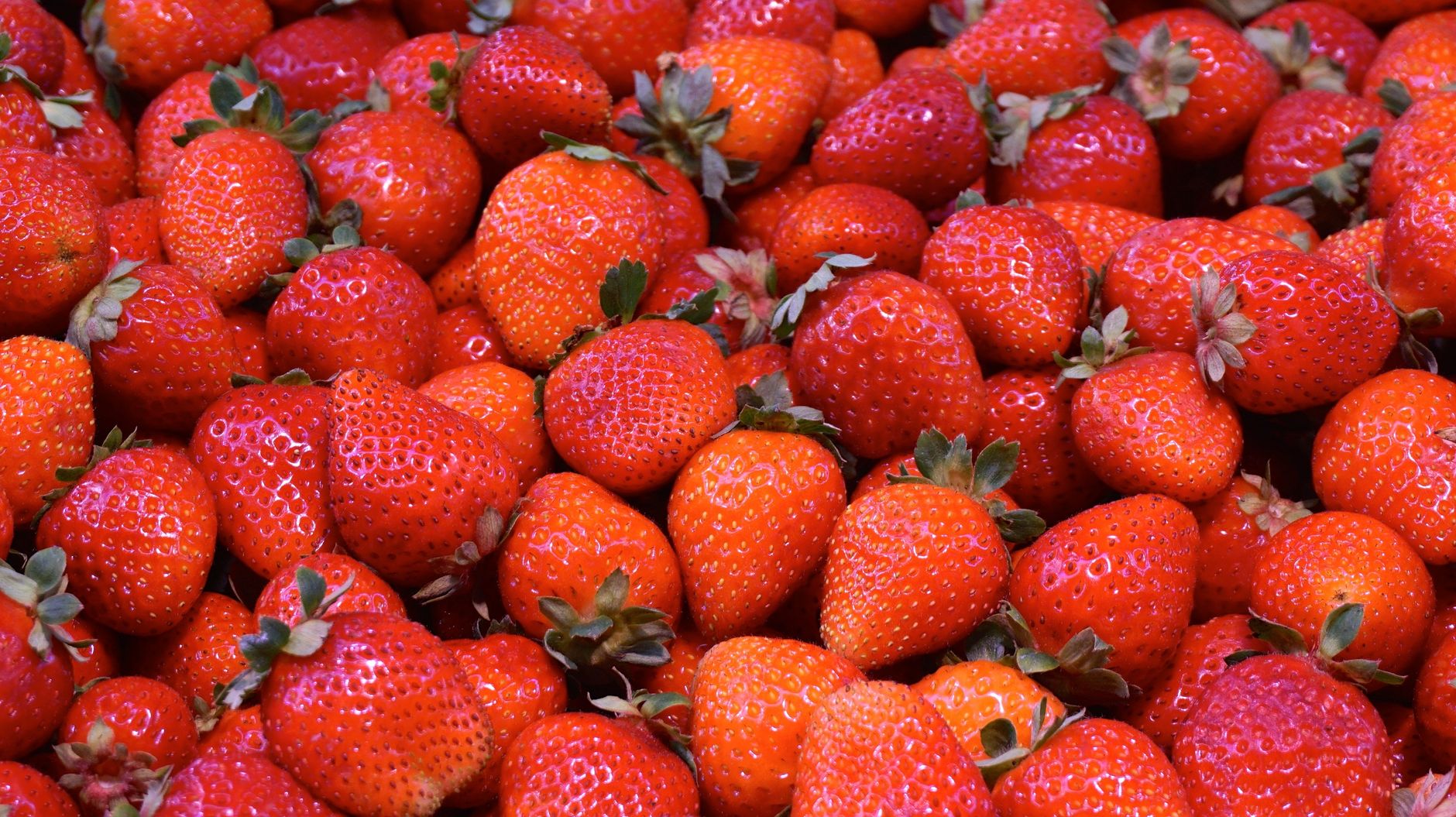
Strawberries are a beloved fruit, known for their succulent taste and vibrant red hue. Whether enjoyed fresh, in desserts, or as smoothies, they can quickly turn from delightful to disappointing when mold appears. Understanding why strawberries mold so fast is essential for proper storage and maximizing freshness.
This article delves into the factors contributing to the rapid molding of strawberries, practical storage tips, and safety measures to keep your fruit fresh for longer.
Why Do Strawberries Mold So Fast?
Strawberries mold quickly due to their high moisture content, delicate skin, and tendency to be harvested with residual spores from their environment. These factors make strawberries highly susceptible to fungal growth, especially when not stored properly.
The Science Behind Strawberry Mold
Mold is a type of fungus that thrives in moist environments. Strawberries naturally contain about 91% water, which provides an ideal breeding ground for mold spores. When the conditions are right—warm temperatures, high humidity, or damaged fruit—mold can grow rapidly.
Additionally, during harvesting and transportation, strawberries may come into contact with mold spores or other contaminants. This can lead to quick spoilage if they aren’t handled and stored correctly. The most common type of mold found on strawberries is Botrytis cinerea, also known as gray mold, which can start to appear as quickly as 24 to 48 hours after the fruit is picked.
Factors Contributing to Rapid Spoilage
1. High Moisture Content
The juicy nature of strawberries is both a strength and a vulnerability. The moisture encourages mold growth, especially if the fruit is washed before storage, as excess water creates a perfect environment for mold.
2. Skin Structure
Strawberries have a thin skin that is not only fleshy but also porous. This allows moisture and air to circulate, which, while beautiful for eating, also exposes the fruit to contaminants and accelerated decay.
3. Temperature Sensitivity
Strawberries prefer cool storage but can spoil rapidly at room temperature. Additionally, fluctuations in temperature, such as those found in improper refrigeration, can lead to condensation on the fruit, further promoting mold growth.
4. Harvesting and Handling
The way strawberries are picked, processed, and packed significantly influences their longevity. Bruised or damaged strawberries are more prone to molding because they have broken skin, allowing easier access for mold spores. Poor handling during transportation can also lead to such damage.
Best Practices for Strawberry Storage
To prolong the life of strawberries and enjoy their freshness as long as possible, consider the following storage tips:
1. Keep Them Dry
Always store strawberries dry. If you wash them before putting them in the fridge, make sure to dry them thoroughly. It’s best to wash strawberries right before consumption rather than right after purchasing.
2. Use Proper Containers
Storing strawberries in their original containers is advisable, as they often have ventilation holes. If you transfer them to a different container, ensure it’s breathable. Consider using a paper towel in the container to absorb excess moisture.
3. Refrigerate Promptly
Strawberries should be stored in the refrigerator as soon as possible after purchase or harvest. Keeping them at a consistent temperature below 40°F (4°C) slows spoilage rates. Ideally, they should be positioned in the crisper drawer, separate from ethylene-producing fruits like bananas and apples, which can hasten decay.
4. Remove Damaged Fruits
Before storing strawberries, check for any damaged or molded fruit and remove it. One bad berry can lead to the rapid spoilage of the entire batch, as mold spores can spread quickly from fruit to fruit.
5. Avoid Stacking
When storing strawberries, avoid stacking them too high. Crowding can cause bruising, leading to mold growth, so opt for a single layer or minimal stacking in the refrigerator.
Understanding Mold Types
Familiarizing yourself with the types of mold that can affect strawberries can also be beneficial in prevention:
1. Botrytis cinerea
This gray mold is the most common mold affecting strawberries. It typically begins as a soft, rotten area on the fruit, often covered with fine gray spores. To combat this, purchase strawberries that are free from any blemishes.
2. Powdery Mildew
This is less common on strawberries than Botrytis but can occur, particularly during the growing season. It appears as a white powdery substance on the surface of the fruit. While it needs specific conditions to grow, it’s good to be vigilant.
Safety Considerations
When it comes to food safety, it’s vital to recognize the signs of moldy strawberries:
- Visible mold spots or fuzzy growth on the surface.
- Soft or mushy texture, indicating spoilage.
- A strong off-odor or any other unsettling smell.
If you notice any of these signs, it’s best to discard the strawberries. Eating moldy fruit can lead to allergic reactions and other health issues.
Creative Ways to Use Strawberries Before They Go Bad
To reduce waste, consider exploring various ways to use strawberries before they spoil:
1. Freezing
Freezing strawberries is one of the best ways to preserve them. Wash and remove the stems, then lay them out on a baking sheet in a single layer. Freeze until solid, then transfer to an airtight container or freezer bag. They can last up to six months in the freezer.
2. Making Preserves
Utilize overripe strawberries to make homemade preserves. Combine strawberries with sugar and lemon juice and cook until desired consistency is achieved. This way, you can enjoy their flavor long after they’ve passed their prime.
3. Smoothies and Sauces
Blend them into smoothies or sauces. Overripe or slightly spoiled strawberries can still add sweetness and flavor when blended. Just be sure they’re not excessively moldy before using in recipes.
Recognizing Fresh Strawberries
Before purchasing or harvesting strawberries, knowing how to choose fresh ones can save you from dealing with spoilage too quickly. Look for:
- A bright red color without white or green patches, indicating ripeness.
- Green leafy tops (calyx) that are fresh and vibrant.
- A fragrant smell, indicating good flavor inside.
- A firm texture with a slight give when gently pressed.
Common Mistakes to Avoid
To maximize the shelf life of strawberries, avoid the following common mistakes:
1. Washing Before Storage
As previously mentioned, washing strawberries before storage introduces moisture that can facilitate mold growth.
2. Ignoring Bruising
Purchasing strawberries with visible bruising or marks can shorten their lifespan. Always check for any damage before buying.
3. Storing in Sealed Containers
Storing strawberries in completely sealed containers can trap moisture. Ensure proper ventilation to allow airflow.
4. Mixing with Other Fruits
Avoid placing strawberries next to ethylene-producing fruits, which can cause strawberries to ripen and spoil more quickly.
Conclusion
Strawberries are a delicious fruit that can quickly fall victim to mold due to their delicate structure, moisture content, and handling during harvest and transportation. By understanding the factors that contribute to their quick spoilage and employing effective storage methods, you can enjoy strawberries for longer periods.
Start by incorporating the tips outlined here into your fruit storage practices. Explore making homemade strawberry preserves or check out a delightful strawberry crunch cake recipe to make the most of your strawberries before they spoil. Fresh strawberries shouldn’t have to feel like a race against time!
For more delicious recipes and ideas on how to enjoy strawberries, check out our strawberry preserves recipe or dive into a unique treat with our strawberry crunch cake recipe.