
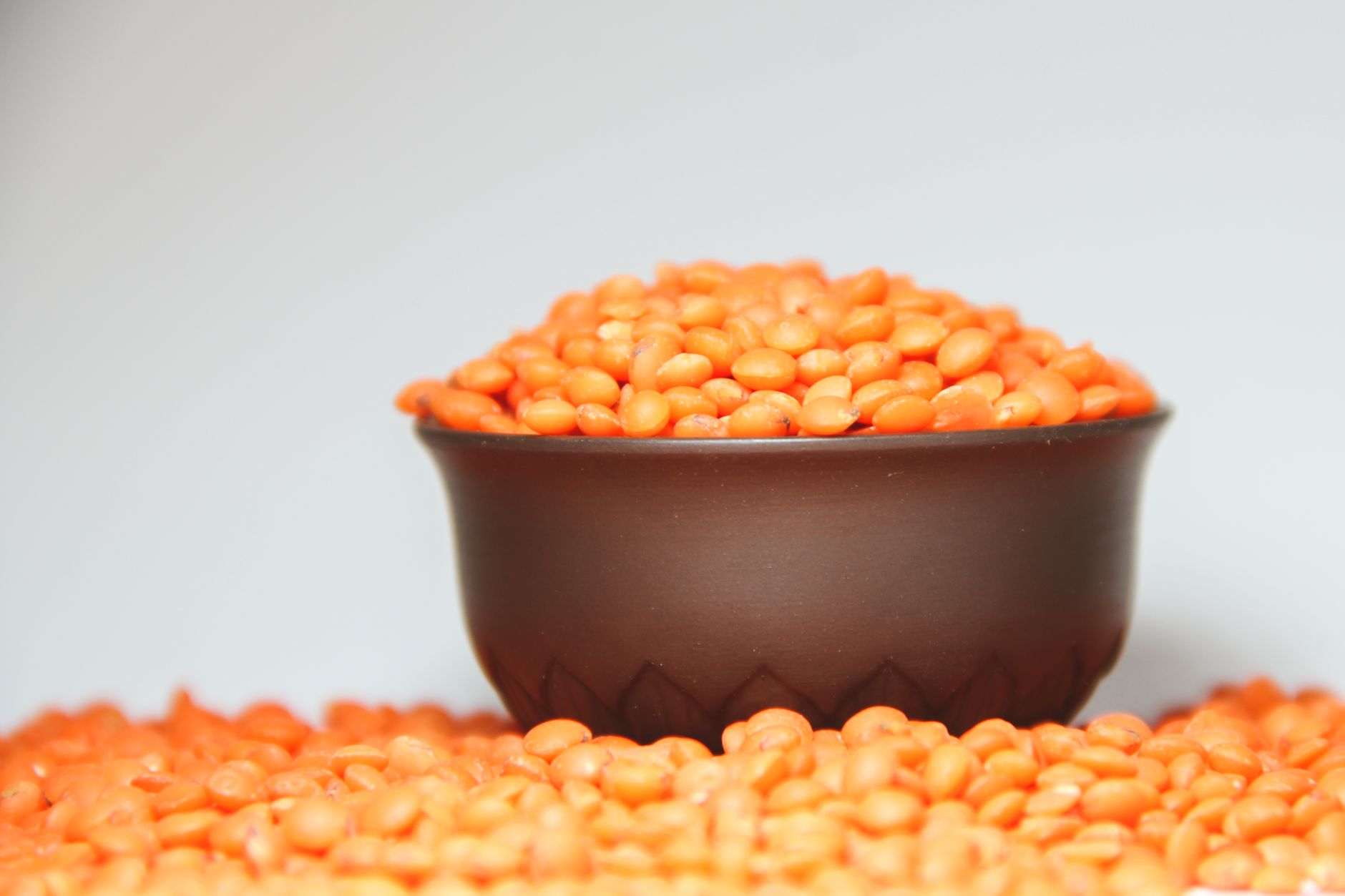
Red lentils, a staple in many kitchens around the world, are small, lens-shaped legumes known for their vibrant color and nutritional benefits. They are particularly favored in vegetarian and vegan cuisines due to their high protein content and quick cooking time.
This article will dive into what red lentils are, their ingredients, taste profile, culinary uses, and much more, providing all the information you need to incorporate this versatile ingredient into your meals with ease.
What Is a Red Lentil?
Red lentils are a type of pulse that belongs to the legume family. They are not truly red; instead, their color ranges from a pale orange to a deep orange hue. When cooked, they have a mild and slightly sweet flavor, making them a popular choice in various dishes around the globe.
These lentils are particularly valued for their nutritional content, providing essential nutrients and high amounts of protein and fiber. They are quick to cook and can be used in a variety of culinary applications, from soups and stews to salads and side dishes.
Nutritional Profile of Red Lentils
Red lentils are packed with essential nutrients that contribute to a balanced diet. Here is a breakdown of their nutritional components per cooked 1/2 cup (approximately 100 grams):
- Calories: 115
- Protein: 9 grams
- Carbohydrates: 20 grams
- Fiber: 8 grams
- Fat: 0.4 grams
- Iron: 3.3 mg (19% daily value)
- Folate: 230 mcg (58% daily value)
These lentils are also low in fat and contain no cholesterol, making them a healthful addition to a variety of diets.
Flavor and Texture Profile
When cooked, red lentils have a mild, earthy flavor that is somewhat nutty and slightly sweet. They are known for their creamy texture, which develops as they cook and break down, making them ideal for soups, stews, and purees.
Their softness is a result of their unique composition, which causes them to break down quickly when heated. This gives them a distinct advantage over other varieties of lentils that retain shape better after cooking.
Culinary Uses of Red Lentils
Red lentils are incredibly versatile and can be used in a myriad of dishes. Below is a list of popular culinary applications:
- Soups and Stews: Their ability to break down quickly makes them perfect for thickening soups and stews.
- Curries: They are often used in Indian and Middle Eastern curries, where they absorb spices beautifully.
- Salsas and Dips: Cooked and mashed red lentils can be combined with spices to create delicious dips.
- Salads: When cooked and tossed with fresh vegetables or herbs, they can add protein and texture to salads.
- Baking: Ground red lentils can serve as a gluten-free flour alternative in baking.
How to Cook Red Lentils
Cooking red lentils is a straightforward process. Follow these steps to prepare them effectively:
Ingredients
- 1 cup red lentils
- 2-3 cups water or vegetable broth
- Salt (optional, to taste)
- Spices and aromatics (e.g., onion, garlic, cumin, turmeric, ginger) – optional
Essential Equipment
- A pot or saucepan
- A fine mesh strainer for rinsing
- A spoon for stirring
Cooking Method
- Rinse the red lentils under cold water in a fine mesh strainer until the water runs clear.
- In a pot, combine the rinsed lentils and water or vegetable broth. Use a ratio of 1 part lentils to 2-3 parts liquid.
- Bring the mixture to a boil over medium-high heat.
- Once boiling, reduce the heat and allow the lentils to simmer for about 15-20 minutes, stirring occasionally.
- Add salt and any spices or aromatics you desire midway through cooking.
- Cook until lentils are tender and have broken down to your desired consistency. For soups and purées, a softer texture is ideal.
- Remove from heat and season further if needed before serving.
Common Cooking Mistakes
A few common mistakes can happen when cooking red lentils:
- Not rinsing: Always rinse lentils to remove any debris or dust.
- Adding salt too early: Adding salt during cooking can harden lentils. Wait until they are nearly done.
- Overcooking: Red lentils cook quickly and can become mushy. Keep an eye on them to maintain a desirable texture.
Storing Red Lentils
When it comes to storage, red lentils offer a great advantage. Dry lentils can be stored for up to a year in a cool, dry place. Once cooked, they should be stored in an airtight container and can last in the refrigerator for about 5-7 days.
To ensure ideal storage, consider the following tips:
- Store uncooked lentils in a clean, dry pantry away from moisture and pests.
- Refrigerate any leftover cooked lentils within two hours of cooking to prevent spoilage.
- Freeze cooked lentils in portioned airtight bags or containers for future use, which can extend their life for several months.
Substitutes for Red Lentils
If you find yourself without red lentils, there are several alternatives to consider, though each may have a slightly different flavor and texture:
- Yellow Lentils: Similar in cooking time and texture, yellow lentils can be used as a direct substitute.
- Green Lentils: While they have a firmer texture and longer cooking time, they can still work in salads and dishes where a lentil holds its shape is preferred.
- Split Peas: Green or yellow split peas can replace red lentils in soups and stews but will impart a different flavor.
Incorporating Red Lentils into Meal Planning
Red lentils are an excellent addition to any meal plan, especially for those seeking to incorporate more plant-based proteins. They can be batch cooked and used in various dishes throughout the week. Here’s a simple approach to meal planning with red lentils:
Weekly Meal Plan Featuring Red Lentils
- Monday: Red lentil soup with crusty bread.
- Tuesday: Lentil curry served with rice.
- Wednesday: Lentil salad with feta cheese, cucumbers, and tomatoes.
- Thursday: Mashed lentil dip with vegetables.
- Friday: Red lentil veggie burgers with buns and toppings.
This plan allows you to utilize batch-cooked lentils in various ways while maintaining a varied diet throughout the week.
Global Cuisine and Red Lentils
Red lentils play a key role in numerous global cuisines. Here are a few notable dishes from around the world:
- Dahl: A staple in Indian cuisine, this dish features red lentils cooked with spices and often served with rice or naan.
- Soup: In Middle Eastern cooking, red lentil soup is a common dish, often blended with spices like cumin and coriander.
- Mushroom and Lentil Stroganoff: A vegetarian twist on the classic Stroganoff that incorporates red lentils for protein.
- Lentil Tacos: Ground red lentils can be flavored with taco seasoning for a fun vegetarian taco filling.
Health Benefits of Red Lentils
In addition to being versatile, red lentils are beneficial for overall health due to their nutrient-rich profile. Some potential health benefits include:
- High Protein Content: Excellent for vegetarians and vegans looking for plant-based protein sources.
- Rich in Fiber: Helps support healthy digestion and manage cholesterol levels.
- Low Glycemic Index: Slower to digest which can help maintain stable blood sugar levels.
Final Thoughts and Recommendations
Red lentils are a delicious and nutritious ingredient that can elevate any dish. Their quick cooking time and adaptability to various recipes make them an invaluable component of many diets. Whether you choose to incorporate them into soups, salads, or main dishes, red lentils are sure to impress with their flavor and texture.
For a practical next step, consider trying red lentils in a dish you haven’t used them with before. Experimenting with this versatile ingredient can lead to various nutritious and satisfying meals that fit into any dietary plan.
Explore more cooking tips and ingredient guides for inspiration as you cook with red lentils and other delicious ingredients.