
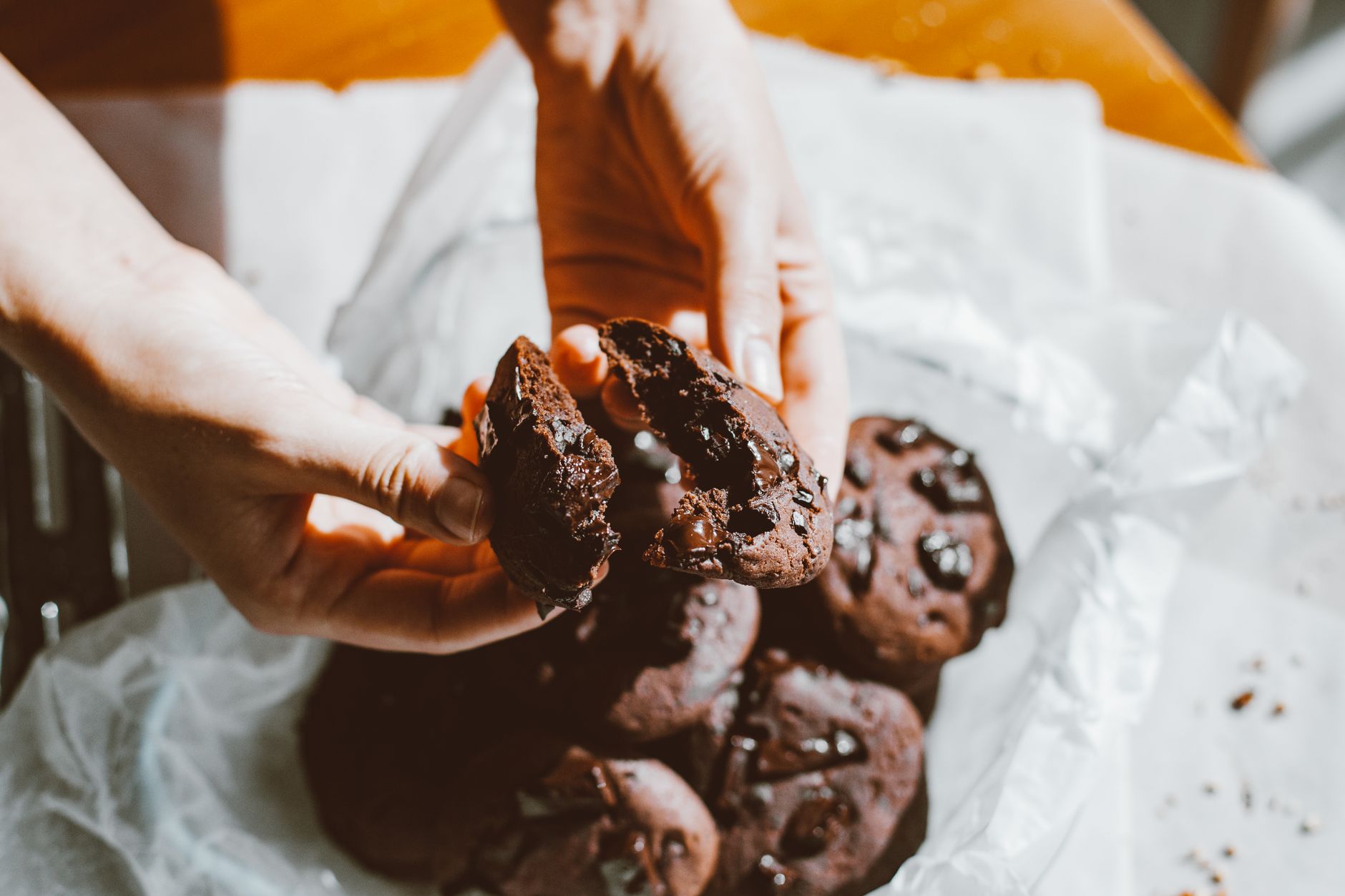
Baking cookies can sometimes feel like an art form, but what happens when your cookies end up cakey instead of the desired chewy or crispy texture? The texture of cookies can be influenced by several factors, from ingredients to mixing techniques, and understanding these elements can help you create the cookies you crave.
This article explores the common reasons cookies may turn out cakey, offering solutions to troubleshoot your baking process, and tips to ensure perfect results next time.
Why Did My Cookies Come Out Cakey?
Your cookies may come out cakey due to several reasons, including overmixing the dough, incorrect flour measurement, or using the wrong ingredient ratios. Each of these factors can contribute to a lighter, airier texture rather than the classic chewiness many cookie lovers seek.
Understanding Cookie Textures
Before diving into the reasons for cakey cookies, it’s helpful to understand the different textures that can be achieved in cookie baking. Cookies generally fall into one of three categories:
- Chewy: Characterized by a soft interior and slight crust, chewy cookies are often made with higher moisture and fat content.
- Crispy: These cookies have a dry texture, often achieved with lower moisture and higher sugar content.
- Cakey: Cakey cookies are soft and light, similar to cakes, due to higher flour ratios and leavening agents.
Common Causes of Cakey Cookies
1. Overmixing the Dough
Overmixing can incorporate too much air into the dough, leading to a cakey texture. When you mix the dough excessively, gluten develops excessively, which contributes to a fluffy and cake-like structure.
To avoid this, mix just until the ingredients are combined. The dough should be mixed until there are no visible dry flour pockets, but before it becomes smooth.
2. Incorrect Flour Measurements
Flour measurement is crucial in baking. Too much flour can lead to dense, cakey cookies. This is often due to scooping flour directly from the bag, which can compact it and result in too much flour being used.
To measure flour accurately, try the spoon and level method: spoon the flour into the measuring cup and then level it off with a knife.
3. Too Much Leavening Agent
Cakey cookies often contain higher amounts of leavening agents like baking soda or baking powder. This excess can create bubbles in the dough that lead to a light and airy texture.
Make sure to use the correct amount according to the recipe or adjust it only if you are modifying other ingredients significantly.
4. Butter Temperature
The temperature of your butter can have a significant effect on your cookie texture. If you use melted butter, your cookies are more likely to spread and have a cakey texture. Room temperature butter, on the other hand, helps maintain a better structure.
Always ensure your butter is soft but not fully melted. It should hold its shape slightly when pressed with a finger to yield the best results.
5. Insufficient Egg Incorporation
Eggs are a vital ingredient in cookie recipes as they add moisture and act as a binding agent. If eggs are improperly incorporated, whether by using room temperature eggs in a cold mixture or not mixing well enough, they can lead to a variable texture.
Always ensure your eggs are at room temperature for optimal incorporation into your mixture.
6. Use of Different Ingredients
Using substitutions like light brown sugar instead of granulated sugar can create a difference in texture. Brown sugar contains molasses which adds moisture, potentially contributing to a cakey texture.
It’s essential to choose ingredients carefully. If you wish to use brown sugar, consider balancing the overall liquid ingredients to prevent excess moisture.
Ingredient Check: A Closer Look
Flour Type
The type of flour used plays a significant role in the cookie texture. All-purpose flour is commonly used and provides a good balance of protein for structure. If you opt for cake flour, which has a lower protein content, your cookies are likely to turn out more cakey.
For chewy cookies, stick to all-purpose flour or bread flour for added gluten.
Butter vs. Shortening
The choice between butter and shortening can affect cookie texture. Butter tends to create crispier edges, while shortening can yield a softer, cake-like cookie due to its higher fat content.
Consider combining both for a balanced texture. You could use half butter and half shortening to achieve the desired chewiness while retaining some moisture.
Brown Sugar vs. Granulated Sugar
As mentioned earlier, the type of sugar used influences moisture levels. Granulated sugar results in a crisper cookie, while brown sugar provides softness and chewiness.
A combination of both will yield a balanced cookie, keeping it soft yet stable.
Cookie Baking Techniques
Proper Mixing Technique
To avoid mixing too much, start by creaming the butter and sugar until light and fluffy, typically about 2-3 minutes. Then add the eggs one at a time, incorporating each until fully blended. Finally, add the flour mixture in increments, mixing just until combined.
Chilling the Dough
Chilling the cookie dough can enhance texture and flavor. It allows for the butter to solidify and helps to prevent spreading during baking. A 30-minute chill may help the cookies maintain better structure.
Common Mistakes and How to Fix Them
Mixing the Dough Too Much
As emphasized earlier, be careful with mixing times. If you notice your cookies are too cakey, try mixing just until incorporated without incorporating excess air.
Flour Measurements
If your cookies are too cakey, consider checking the flour measurements. If you suspect you’re over-measuring, scale ingredients using a kitchen scale for precision.
Correct Leavening Agent Ratio
Be mindful of the leavening agents. Scientifically, one teaspoon of baking powder is standard for every cup of flour. Adjust accordingly if you’re changing other ingredients to ensure balance.
Tips for Achieving the Perfect Cookie
Use the Right Ingredients
Stick to high-quality ingredients that are fresh. The taste and texture of your cookies benefit greatly from the right components. Check expiration dates on baking powder, baking soda, and flour.
Understand the Recipe
Each recipe is designed with specific balances in mind. Follow it closely, especially when it comes to ratios of flour to fat, sugar, and eggs. Any significant alterations can dramatically affect the final product.
Experiment and Adjust
Don’t be afraid to experiment a bit, but do so cautiously. Small changes can lead to specific texture outcomes. If you find yourself with a cakey batch, try adjusting one element at a time in the next batch.
Storage and Reheating of Cookies
Store cookies in an airtight container to retain their freshness. Cakey cookies may benefit from time spent in the fridge, where the cold can help firm them up if they’ve spread too much. For reheating, place cookies in a preheated oven for just a few minutes until warmed through.
Conclusion
Understanding the reasons behind your cookies coming out cakey can enhance your baking skills and improve future batches. By monitoring your mixing techniques, ingredient ratios, and baking methods, you will be better equipped to achieve the desired cookie texture.
Next time you bake, keep these guidelines in mind to transform your cookie-making experience. Explore more about baking techniques and ingredients to keep improving your culinary creations.
If you’re interested in enhancing your baking results further, check out essential information on shortening in baking or try a classic chocolate chip cookie recipe.