
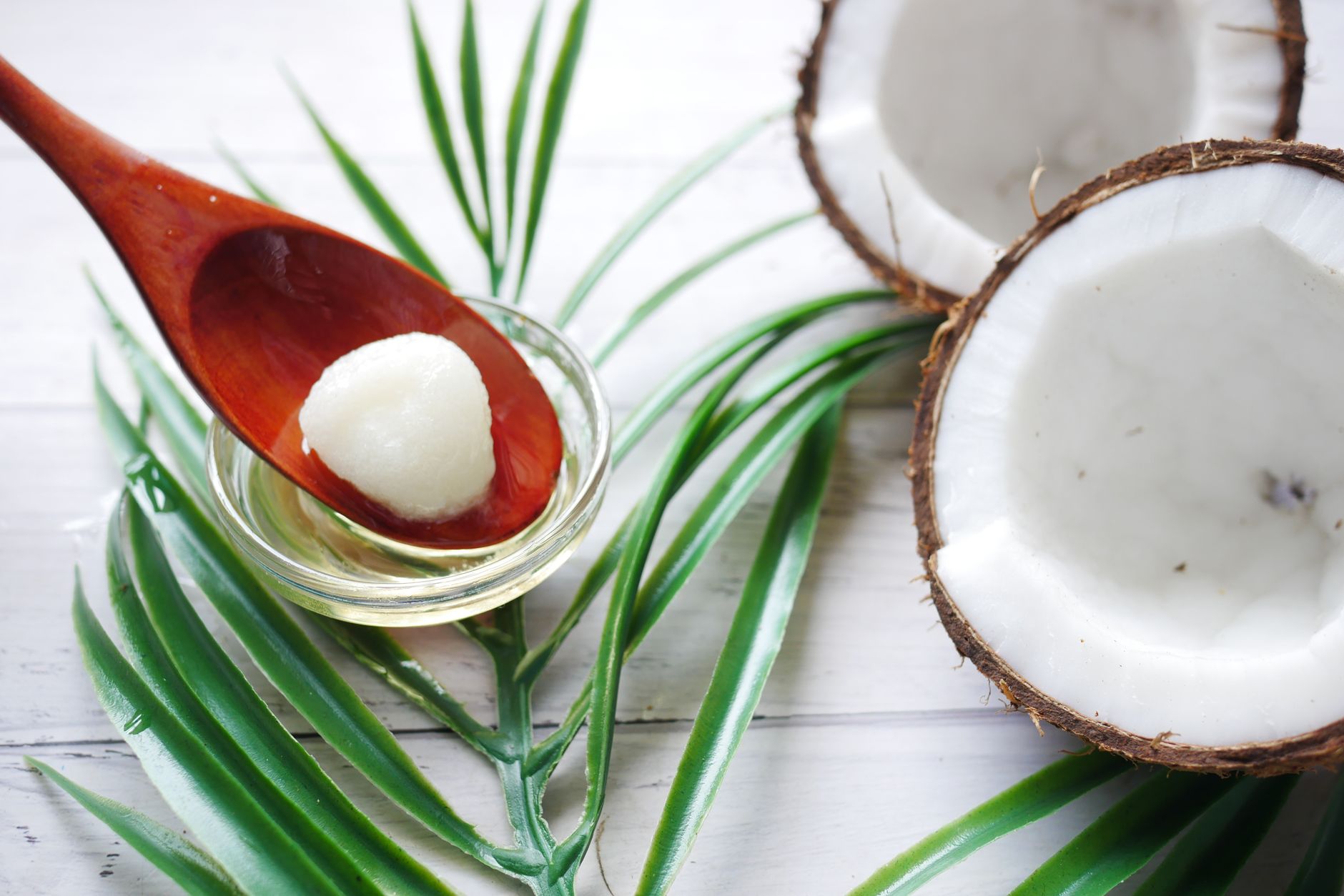
Medium-chain triglycerides (MCTs) are a type of fat that the body can quickly convert into energy. This unique property makes MCTs popular among athletes and those following certain diets, such as ketogenic or paleo. Understanding the foods that contain MCTs can help you incorporate them into your meals more effectively.
In this article, we will explore what foods have MCTs in them, their roles in cooking, and how you can seamlessly include them in your diet. MCTs are crucial in various culinary applications, enhancing flavor and nutritional profiles. Let’s dive into the food sources of MCTs and their uses in the kitchen.
What Foods Have MCTs in Them?
MCTs are naturally found in several foods, notably those derived from coconuts and palm oil. The primary sources of MCTs include:
- Coconut oil
- Coconut milk
- Coconut cream
- Grass-fed butter and ghee
- Cheese
- Whole milk and cream
- Palmitic acid rich oils (like palm oil)
While MCTs can be synthesized and sold as supplements, incorporating natural food sources is often the most nutritious and delicious approach. Let’s discuss each of these sources in more detail.
Coconut Oil
Coconut oil is one of the richest sources of MCTs, containing about 62% to 65% of these fats. It primarily consists of lauric acid, caprylic acid, and capric acid, making it versatile for both cooking and baking. The oil is often used in sautéing or frying due to its high smoke point.
Coconut Milk and Coconut Cream
Coconut milk is another excellent source of MCTs, containing both coconut water and coconut meat. It has a rich, creamy texture, making it a popular choice in soups, curries, and smoothies. Coconut cream, which has a thicker consistency, is derived from the first pressing of the coconut meat and is perfect for desserts and sauces.
Grass-Fed Butter and Ghee
Both grass-fed butter and ghee contain MCTs, offering a buttery flavor that works well when spreading on toast, adding to baked goods, or cooking. Ghee, a clarified butter, has a higher smoke point and is particularly suited for Indian cuisine.
Cheese
Certain cheeses, especially those made from full-fat milk, can contain MCTs. Hard cheeses, like cheddar or gouda, can be deliciously incorporated into salads, soups, or served on a cheese platter.
Whole Milk and Cream
Whole milk and heavy cream also provide MCTs, making them suitable additions to coffee, smoothies, or as a base for sauces and soups. The fat content contributes creaminess and richness to many dishes.
Palm Oil
Palm oil, particularly from the fruit rather than the kernel, also contains MCTs. While its use is more prevalent in certain regions and cuisines, it can serve as a frying oil or a base for sauces in various dishes.
Health Benefits of MCTs
MCTs offer a range of potential health benefits. While it’s essential to approach these claims with caution, here are some commonly noted advantages:
- Quick source of energy, especially for athletes and those needing a fast metabolic boost.
- May help promote weight loss by increasing feelings of fullness and burning more calories.
- Supports cognitive function and may provide benefits for individuals with neurodegenerative diseases.
- Contributes to gut health by promoting beneficial bacteria.
Though MCTs can be beneficial, moderation is key as they are still a form of fat. Consulting with a healthcare provider before making significant dietary changes related to MCTs is recommended.
Kitchen Uses of MCT-Containing Foods
Understanding how to utilize MCT-containing foods can enhance your culinary repertoire. Here are several ways you can incorporate these foods into your meals:
Cooking with Coconut Oil
Coconut oil can be used as a substitute for vegetable or canola oil in many savory dishes and baked goods. It works well in stir-fries, roasted vegetables, and even for greasing pans. Its subtle coconut flavor is particularly complimentary to Asian and tropical recipes.
Using Coconut Milk and Cream
You can use coconut milk in various dishes. Add it to soups for creaminess, blend it into smoothies, or mix it into rice dishes for a flavor upgrade. Coconut cream can be whipped and used as a dairy-free alternative to whipped cream for desserts.
Incorporating Butter and Ghee
Use grass-fed butter or ghee to enhance flavor in sauces, pasta, or vegetables. Ghee can withstand higher temperatures, making it perfect for frying. Incorporate both into baked goods to elevate richness and flavor.
Cheese as a Flavor Booster
Cheese can be used to add flavor to salads, pasta, or as a topping on baked dishes. Combining it with coconut products can create a unique flavor profile, particularly in fusion dishes.
Whole Milk and Cream in Recipes
Adding whole milk or cream to recipes like sauces, soups, or mashed potatoes will impart creaminess. For coffee lovers, adding a splash of cream can enhance texture and flavor.
Cooking with Palm Oil
Palm oil can serve as a versatile frying oil and is favored in various African and Asian cuisines. It can be used in stews, curries, and fried rice, imparting a vibrant color and flavor to dishes.
Substitutions for MCT-Containing Foods
When you need alternatives for MCT-rich foods, consider the following substitutes while keeping flavor and texture in mind:
- Coconut oil: You can replace it with avocado oil or olive oil, but be aware that the flavor profile will change significantly.
- Coconut milk: Almond milk or cashew milk can be alternatives, but they will have a different taste and texture.
- Whole milk: You can use almond milk or oat milk, but the creaminess will be less pronounced.
- Butter: For dairy-free options, margarine or vegan butter can be used, though the flavor might differ.
When substituting, ensure that the taste and consistency align with your recipe to avoid any unwanted outcomes.
Common Mistakes to Avoid
Incorporating MCT-rich foods into your diet can seem straightforward, but common pitfalls can arise:
- Not measuring properly: MCTs are still fats, and overconsumption can lead to unwanted caloric intake.
- Assuming all coconut products are the same: Coconut oil, coconut milk, and coconut cream have different uses and nutritional profiles.
- Sacrificing flavor: Some substitutes can alter the desired taste and create disappointment in recipes.
Avoiding these errors can enhance your cooking, ensuring that you derive the most benefit from MCT-containing foods while maintaining flavor and quality in your meals.
Creative Recipes to Incorporate MCTs
Here are some ideas for recipes that utilize MCT-rich foods effectively:
Coconut Milk Curry
This dish showcases coconut milk’s creamy texture while incorporating various spices and vegetables. The combination creates a warming meal perfect for those cold nights.
- Ingredients:
- 1 can coconut milk
- 2 tablespoons curry powder
- 1 onion, chopped
- 2 garlic cloves, minced
- 1 inch ginger, grated
- 2 cups mixed vegetables (carrots, bell peppers, etc.)
- Salt and pepper to taste
Method:
- In a pot, heat coconut oil over medium heat.
- Add chopped onions, garlic, and ginger. Sauté until fragrant.
- Stir in curry powder, then add mixed vegetables.
- Pour in coconut milk and season with salt and pepper.
- Simmer for 20 minutes on low until vegetables are tender.
Coconut Cream Chocolate Mousse
This dessert takes advantage of coconut cream’s richness, producing a decadent dish that’s dairy-free and delightful.
- Ingredients:
- 1 can coconut cream, chilled
- 1/2 cup dark chocolate chips
- 2 tablespoons maple syrup or honey
- 1 teaspoon vanilla extract
Method:
- In a microwave-safe bowl, melt the dark chocolate chips.
- In a mixing bowl, combine chilled coconut cream with maple syrup and vanilla.
- Fold melted chocolate into the coconut mixture until fully combined.
- Chill in the refrigerator for at least 30 minutes before serving.
Storage and Reheating of MCT-Rich Foods
Proper storage of MCT-rich foods can enhance their shelf life and maintain their quality:
Coconut Oil
Coconut oil can be stored in a cool, dark place in a tightly sealed container. It remains stable at room temperature, but refrigeration can solidify it.
Coconut Milk and Cream
Once opened, coconut milk should be stored in the refrigerator. Use within 5 to 7 days for the best flavor and quality. The cream can also be frozen for longer storage.
Butter and Ghee
Keep butter and ghee in the refrigerator to maintain freshness. They can last for an extended time, but be aware of the “best by” dates on packaging.
Conclusion
Understanding what foods have MCTs in them helps you explore various culinary possibilities. Incorporating coconut oil, milk, cream, and other dairy products into your meals can enhance flavor and provide potential health benefits. By using MCT-rich foods thoughtfully in your cooking, you can create delicious meals while reaping their energetic properties.
For more ideas, explore our Chia Pudding Recipe with Coconut Milk and try out our Creamy Coconut Shrimp Recipe for additional inspiration using coconut products in your meals.