
Johnny Walker is a globally renowned Scotch whisky brand, with a rich history dating back to the early 19th century. Understanding where Johnny Walker is made not only enhances your appreciation of this iconic drink but also connects you to its heritage and the craft of whisky production.
Made exclusively in Scotland, Johnny Walker offers a wealth of flavors that vary by label. From the classic Red Label to the sophisticated Blue Label, each variant showcases the distinct charm of Scottish whisky-making traditions.
Where Is Johnny Walker Made?
Johnny Walker is produced at the Johnnie Walker distillery located in Kilmarnock, Ayrshire, Scotland. The brand is known for its diverse range of blended Scotch whiskies, each crafted from a selection of malt and grain whiskies sourced from various Scottish regions.
Founded by John Walker in 1820, the distillery has become a leader in the whisky industry. The blending process involves carefully selecting malts from distilleries across Scotland, allowing for the creation of distinct flavor profiles that characterize each Johnny Walker variant.
The Distillation Process
The process of making Johnny Walker whisky follows traditional Scottish methods, beginning with the careful selection of grains. Various grains, including barley, wheat, and corn, are used in different blends. The story of Johnny Walker is not only about the whisky, but also the meticulous distillation and aging processes that impart its unique flavor.
1. Malting
The production of whisky starts with malting, where barley is soaked in water to initiate germination. The germinated barley is then dried in a kiln, halting the germination process. Some Johnny Walker blends use peated malt, which adds smoky flavors to the whisky.
2. Mashing
Next, the dried malt is ground into a coarse powder and combined with hot water in the mashing process. This step converts the starches in the grains into sugars, which are essential for fermentation.
3. Fermentation
The sugary liquid, called wort, is transferred to fermenting vessels where yeast is added. The yeast consumes the sugars, producing alcohol and carbon dioxide. This fermentation process typically lasts several days.
4. Distillation
The fermented liquid, now called wash, is distilled in copper pot stills. This process usually occurs twice, resulting in a higher alcohol concentration. The first distillation takes place in wash stills, while the second distillation occurs in spirit stills, capturing only the finest spirits for aging.
5. Aging
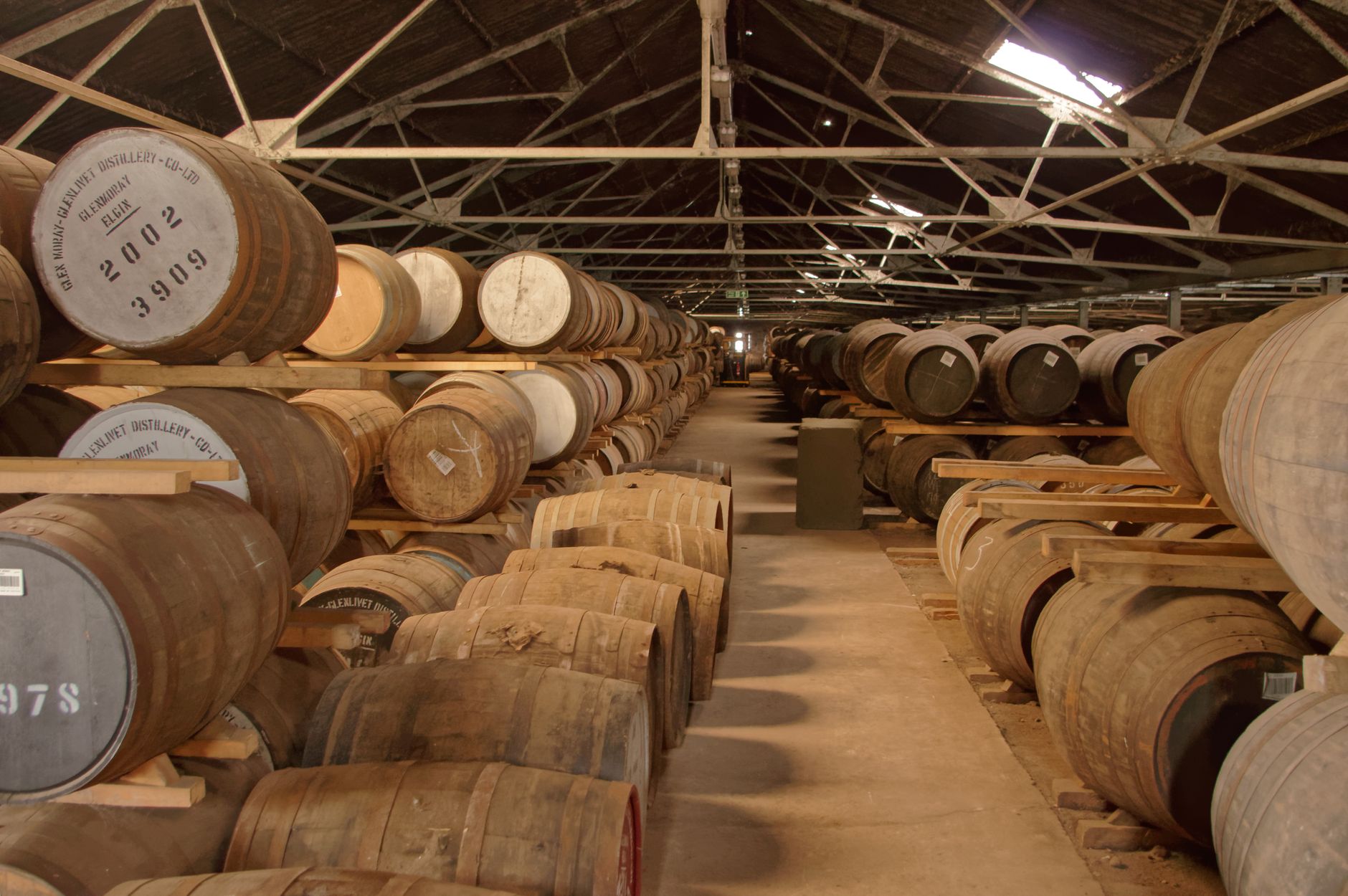
The distilled whisky is then aged in oak barrels for a minimum of three years. The choice of barrels, many of which have previously held Sherry or Bourbon, contributes to the whisky’s flavor. While aging, the whisky absorbs flavors from the wood, enhancing its complexity.
The Johnny Walker Range
Johnny Walker offers a wide range of blended Scotch whiskies, each tailored for various palates and occasions. Understanding the differences among the labels can help you choose the perfect whisky for any setting.
1. Johnny Walker Red Label
The Red Label is typically known for its bold and lively character. It consists of 35 different whiskies and features a spicy flavor profile. Ideal for mixing in cocktails, this label has become a staple in bars worldwide.
2. Johnny Walker Black Label
Strikingly smoother than the Red Label, the Black Label is known for its complexity and depth. Aged for a minimum of 12 years, it brings together 40 different whiskies, showcasing rich flavors of dried fruits, vanilla, and smoky undertones.
3. Johnny Walker Double Black
The Double Black offers a bolder experience, enhanced by a selection of heavily peated whiskies. This blend emphasizes smoky flavors, making it perfect for those who enjoy a more intense Scotch experience.
4. Johnny Walker Green Label
Unique among Johnny Walker blends, the Green Label is a pure malt whisky, made from a blend of single malts sourced from four distinct regions of Scotland. With a balance of rich and fruity flavors, it is aged for 15 years, creating a refined taste.
5. Johnny Walker Gold Label Reserve
The Gold Label is designed for special occasions and is characterized by its smooth and creamy profile. With notes of honey, vanilla, and wood, this whisky is notably luxurious, appealing to those who appreciate fine spirits.
6. Johnny Walker Blue Label
Often considered the pinnacle of the range, the Blue Label is crafted with extraordinary care. It features rare whiskies aged for long periods, offering a complex and velvety finish. This blend is ideal for those seeking an exceptional whisky experience.
Johnny Walker and Food Pairings
Johnny Walker whisky can enhance culinary experiences when paired thoughtfully with food. Understanding which flavors complement the unique characteristics of each label can elevate your dining experience. Below are some food pairing suggestions for various Johnny Walker labels.
1. Red Label Pairings
- Spicy BBQ Ribs: The bold flavors of the Red Label stand up well to the sweetness and spice of barbecue sauce.
- Salsa and Chips: The zesty notes of a fresh tomato salsa can balance the whisky’s spiciness, making for a lively pairing.
- Beef Tacos: The robust flavor of Red Label can enhance the hearty taste of spiced beef.
2. Black Label Pairings
- Grilled Steak: The rich, meaty flavor of a well-cooked steak complements the complexity of Black Label.
- Dark Chocolate: A chocolate dessert with dark cocoa can bring out the dried fruit notes of the whisky.
- Cheese Platter: A selection of aged cheeses, particularly cheddar, pairs beautifully with Black Label.
3. Green Label Pairings
- Roasted Lamb: The herbaceous flavors of the lamb pair nicely with the complexities of Green Label.
- Smoked Salmon: A classic pairing that enhances the whisky’s subtler fruit notes.
- Spicy Asian Dishes: The balanced profile of Green Label complements spicy food well, especially Thai cuisine.
4. Gold Label Reserve Pairings
- Pork Tenderloin: The rich flavor of pork can balance the sweetness of Gold Label.
- Caramel Desserts: The smooth notes of honey and vanilla in the whisky enhance desserts like flan or panna cotta.
- Grilled Shrimp: The delicate flavor of shrimp is elevated when paired with the creamy nature of Gold Label.
5. Blue Label Pairings
- Wagyu Beef: The luxurious nature of Blue Label complements the rich marbling of Wagyu.
- Blue Cheese: This potent cheese pairs well, bringing out the whisky’s subtle complexities.
- Fruit Tart: A fresh fruit tart creates a delightful contrast between sweetness and smoky depth.
Using Johnny Walker in Cocktails
Johnny Walker whiskies can also be the star ingredient in cocktails. Below are two classic cocktail recipes utilizing Johnny Walker labels that are sure to impress.
1. Whiskey Sour with Johnny Walker Black Label
The Whiskey Sour is a classic cocktail that highlights the smoothness of the Black Label. Below are the ingredients and steps:
- 2 oz Johnny Walker Black Label
- 3/4 oz fresh lemon juice
- 1/2 oz simple syrup
- Ice
- Cherry and lemon slice for garnish
- Add Johnny Walker Black Label, lemon juice, and simple syrup to a cocktail shaker filled with ice.
- Shake vigorously for about 20 seconds until well mixed.
- Strain into a rocks glass filled with ice.
- Garnish with a cherry and a slice of lemon.
2. Highball with Johnny Walker Red Label
Refreshing and easy to make, the Highball is a simple mixed drink that pairs well with Johnny Walker Red Label. Here’s how to create it:
- 2 oz Johnny Walker Red Label
- 4 oz club soda
- Lemon twist for garnish
- Ice
- Fill a highball glass with ice cubes.
- Pour Johnny Walker Red Label over the ice.
- Top with club soda and stir gently.
- Garnish with a lemon twist.
Common Mistakes When Enjoying Johnny Walker
It can be easy to overlook a few key aspects when indulging in a glass of Johnny Walker. Avoid these common mistakes to enhance your whisky experience.
1. Drinking Too Cold
Many whisky enthusiasts argue that cold temperatures can mute the flavor profile of whisky. Instead, serve Johnny Walker at room temperature to fully appreciate its complexities.
2. Neglecting Water
A splash of water can open up the flavor notes in whisky, especially for higher-end labels like Blue Label. Experiment with adding a few drops to discover new flavors.
3. Using Improper Glassware
Choosing the right glass can make a significant difference. Opt for a Glencairn glass or a tumblers to enjoy the aroma and flavor fully. Avoid filling the glass to the brim, allowing space for the whisky to breathe.
Storing Johnny Walker Whisky
Proper storage is crucial to maintain the quality of Johnny Walker whiskies. Follow these guidelines to ensure your whisky remains in top condition:
- Keep the bottle upright: This prevents the cork from becoming saturated, which could compromise the seal.
- Store in a dark place: Light can affect the flavor of whisky, so it’s best to keep it in a cabinet or an area away from direct sunlight.
- Avoid temperature fluctuations: Choose a stable environment, away from heat sources, to keep the whisky safe.
Conclusion
Knowing where Johnny Walker is made and how it evolves from grain to glass can deepen your appreciation for this iconic Scotch whisky. From the production process in Kilmarnock to the various labels that exemplify unique flavors, Johnny Walker continues to be a staple for both whisky enthusiasts and casual drinkers alike.
To explore more exciting drink recipes, try our Jamaican Rum Punch recipe or shake up a Whiskey Sour recipe that showcases the versatility of whisky.