
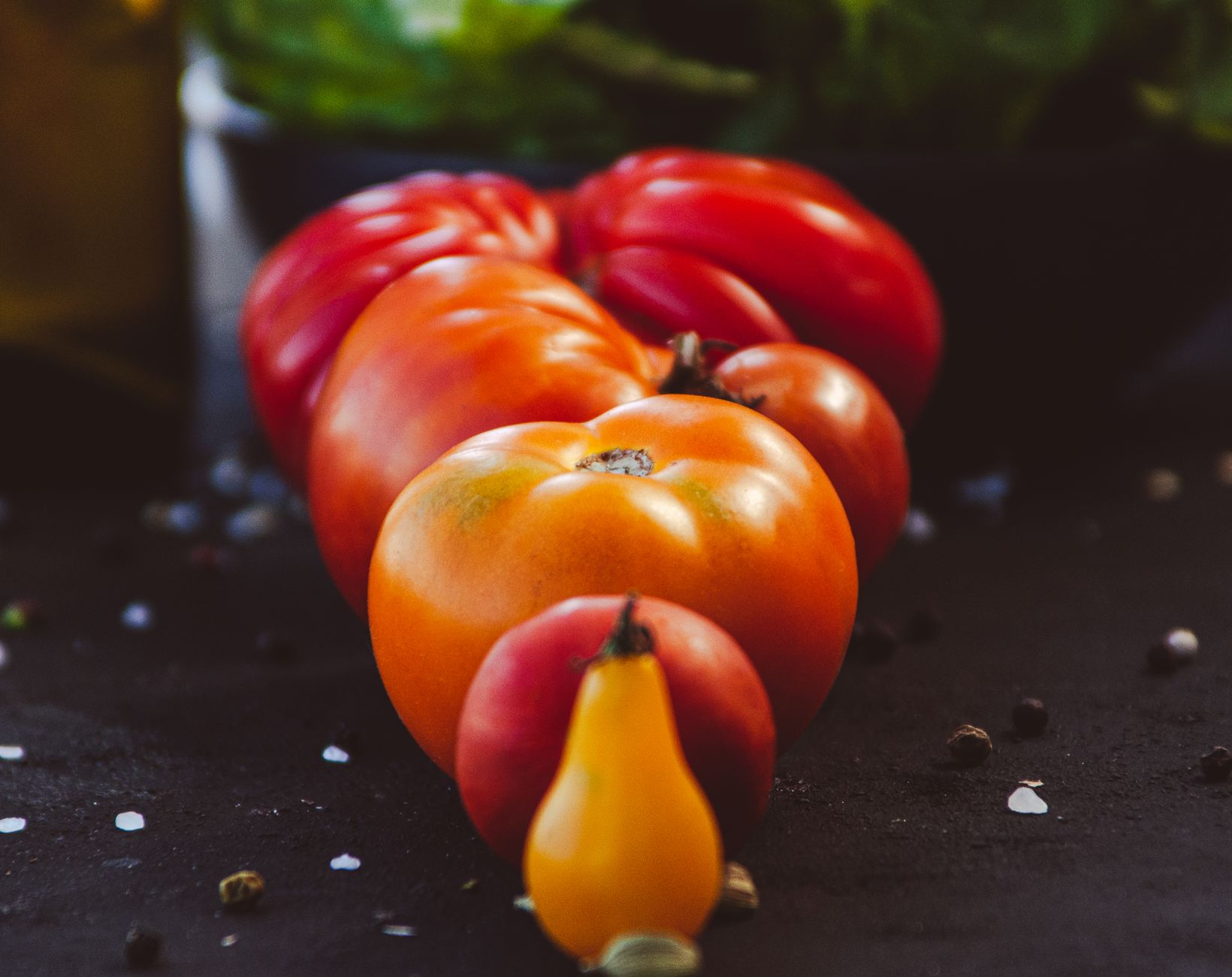
Nightshade vegetables have a captivating history and a nuanced place in many diets around the globe. This group of plants, which includes tomatoes, potatoes, peppers, and eggplants, has garnered attention not just for their culinary uses but also for their potential effects on health. Understanding why they are called nightshade vegetables provides insight into their botanical characteristics, historical context, and culinary applications.
In this article, we will explore the origin of the term “nightshade,” the features that define nightshade vegetables, and how these vegetables fit into modern cooking and diets. Further, we’ll touch upon potential health considerations associated with nightshade consumption.
Why Are They Called Nightshade Vegetables?
Nightshade vegetables are named after the family of plants they belong to, known as Solanaceae, from the Latin word “solanum.” The term “nightshade” is said to originate from the old English word “neahcweard,” which refers to plants in this family that thrive in shady, dark, or night-like environments. This family includes not only food plants but also ornamental and toxic species.
The Solanaceae family contains over 2,000 species, some of which are well known for their culinary uses. Nightshade vegetables are primarily cultivated for their edible fruits and tubers, providing diverse flavors and textures that enhance a variety of dishes.
Key Nightshade Vegetables
Here’s a breakdown of some common nightshade vegetables and their distinctive characteristics:
- Tomatoes: Bright red and juicy, tomatoes are a staple in numerous cuisines, often featured in salads, sauces, and soups.
- Potatoes: As one of the most consumed vegetables worldwide, potatoes come in various types, lending themselves to boiling, baking, mashing, and frying.
- Eggplants: Known for their deep purple skin and meaty texture, eggplants are often grilled, roasted, or used in dishes like ratatouille.
- Bell Peppers: Available in various colors, bell peppers add a crunchy texture and sweetness to salads, stir-fries, and salsas.
- Chili Peppers: Recognized for their heat, chili peppers are used in cuisines worldwide, enhancing flavors in sauces, marinades, and spice blends.
Culinary Uses of Nightshade Vegetables
The versatility of nightshade vegetables makes them popular ingredients in cooking. Their flavors range from the sweet and tangy nature of tomatoes to the earthy and savory notes of eggplants and potatoes. Here are some common culinary applications:
Tomatoes
Tomatoes are incredibly versatile and can be used fresh in salads, pureed into sauces, or roasted for deeper flavors. Tomato-based dishes like pasta sauce, pizza, and salsa are popular around the world.
Potatoes
Potatoes are a culinary cornerstone; they can be mashed, fried, baked, or even turned into dishes like gratins or potato salads. Their ability to absorb flavors makes them suitable for a myriad of seasonings and accompaniments.
Eggplants
Eggplants absorb flavors well and are often used in dishes like eggplant parmesan, baba ghanoush, and stir-fries. Their texture can transform significantly based on cooking methods, making them a desirable vegetarian alternative.
Peppers
Both bell and chili peppers add color, flavor, and crunch to dishes. Bell peppers are great raw or cooked, while chili peppers are perfect for adding spice to sauces, stews, and marinades.
The Historical Context of Nightshade Vegetables
The journey of nightshade vegetables from wild plants to kitchen staples is an intriguing one. Their history is intertwined with human civilization and agriculture. Tomatoes and potatoes were first domesticated by indigenous peoples in Central and South America thousands of years ago. Over time, these crops spread across the globe, becoming key components in various cuisines.
Tomatoes were brought to Europe in the 16th century, where they were initially met with skepticism, believed by some to be toxic. In contrast, potatoes faced similar resistance before becoming essential in European diets, especially after the potato blight in the 19th century prompted their wider acceptance across Europe.
Nightshade Vegetables and Health Considerations
While many people enjoy nightshade vegetables without issues, some individuals may be sensitive to them. Nightshades contain alkaloids, which are naturally occurring compounds that can affect certain people. The most common alkaloid in nightshades is solanine, found in potatoes and tomatoes, which can be toxic in large quantities but is safe in typical culinary amounts.
There is ongoing debate and research about nightshade sensitivity. Some people, particularly those with autoimmune conditions or arthritis, report discomfort after consuming nightshade vegetables. However, for most people, nightshades are safe, nutritious, and beneficial in moderation.
Choosing and Storing Nightshade Vegetables
When selecting nightshade vegetables, look for vibrant colors, firm textures, and no signs of blemishes or bruising. Here are some tips for their storage:
- Tomatoes: Store at room temperature on the counter and avoid refrigeration, as cold affects their flavor.
- Potatoes: Keep in a cool, dark place in a paper bag or breathable container to maintain their freshness.
- Eggplants: Refrigerate if you expect to keep them more than a few days and consume within a week for best flavor.
- Peppers: Store in the refrigerator in a produce bag; they are best consumed within a week.
Popular Recipes Featuring Nightshade Vegetables
Here is a selection of recipes that highlight these vibrant and versatile ingredients. Each dish showcases the unique flavors and textures that nightshade vegetables bring to the table.
Classic Ratatouille
Ratatouille is a traditional French vegetable dish that celebrates nightshade vegetables like eggplant, bell peppers, and tomatoes.
Servings: 4
Preparation Time: 15 minutes
Cooking Time: 45 minutes
Total Time: 1 hour
Ingredients:
- 1 medium eggplant, diced
- 1 medium zucchini, sliced
- 1 medium bell pepper, chopped
- 1 medium onion, chopped
- 2 medium tomatoes, diced
- 2 cloves garlic, minced
- 2 tablespoons olive oil
- Salt and pepper to taste
- Fresh basil or thyme for garnish
Method:
- Heat olive oil in a large skillet over medium heat.
- Add onions and garlic, sautéing until translucent.
- Stir in the eggplant and cook for about 5 minutes until slightly softened.
- Add zucchini, bell pepper, and tomatoes. Season with salt and pepper.
- Cover and simmer for 30 minutes, stirring occasionally, until all vegetables are tender.
- Garnish with fresh herbs before serving.
Serving Suggestions for Nightshade Vegetables
Nightshade vegetables can shine in a variety of dishes. Here are some serving suggestions:
- In salads: Fresh tomatoes and bell peppers add crunch and brightness to salads.
- In sauces: Puree roasted tomatoes for a rich pasta sauce or use as a pizza base.
- As sides: Serve mashed potatoes with herbs or roasted peppers for a colorful side dish.
- As main dishes: Incorporate eggplants in vegetarian lasagna or stir-fries.
Common Mistakes When Cooking with Nightshade Vegetables
To avoid mishaps in the kitchen when preparing nightshade vegetables, keep the following tips in mind:
- Do not store tomatoes in the fridge as this diminishes their flavor and texture.
- Be cautious with seasoning; nightshade vegetables can carry strong flavors, so adjust spices accordingly.
- Ensure potatoes are cooked thoroughly; undercooked potatoes can have a tough texture and may also contain higher levels of solanine.
Exploring Variations and Substitutions
For those managing sensitivities, exploring alternatives to nightshade vegetables can introduce new flavors into your cooking while maintaining similar textures or roles in dishes:
- Tomato substitutes: Use roasted red peppers or pumpkin puree in place of tomatoes for sauces.
- Potato substitutes: Cauliflower or turnips can serve as alternatives for mashed or roasted potatoes.
- Eggplant substitutes: Zucchini or mushrooms can be used in recipes that require a meaty texture.
- Bell pepper substitutes: Use carrots or green bean strips for a crunch element in salads.
Conclusion and Next Steps
Nightshade vegetables offer a vibrant addition to many dishes, contributing rich flavors and nutritional benefits. While they may cause sensitivities for some individuals, they remain staple ingredients in the culinary world due to their versatility. When utilizing nightshade vegetables in your meals, consider variety and balance—experiment with different combinations to discover what delights your palate.
Explore more about nightshade vegetables and their possibilities and enhance your cooking skills with other guides, such as what is nightshade? for a deeper understanding of these fascinating plants.