
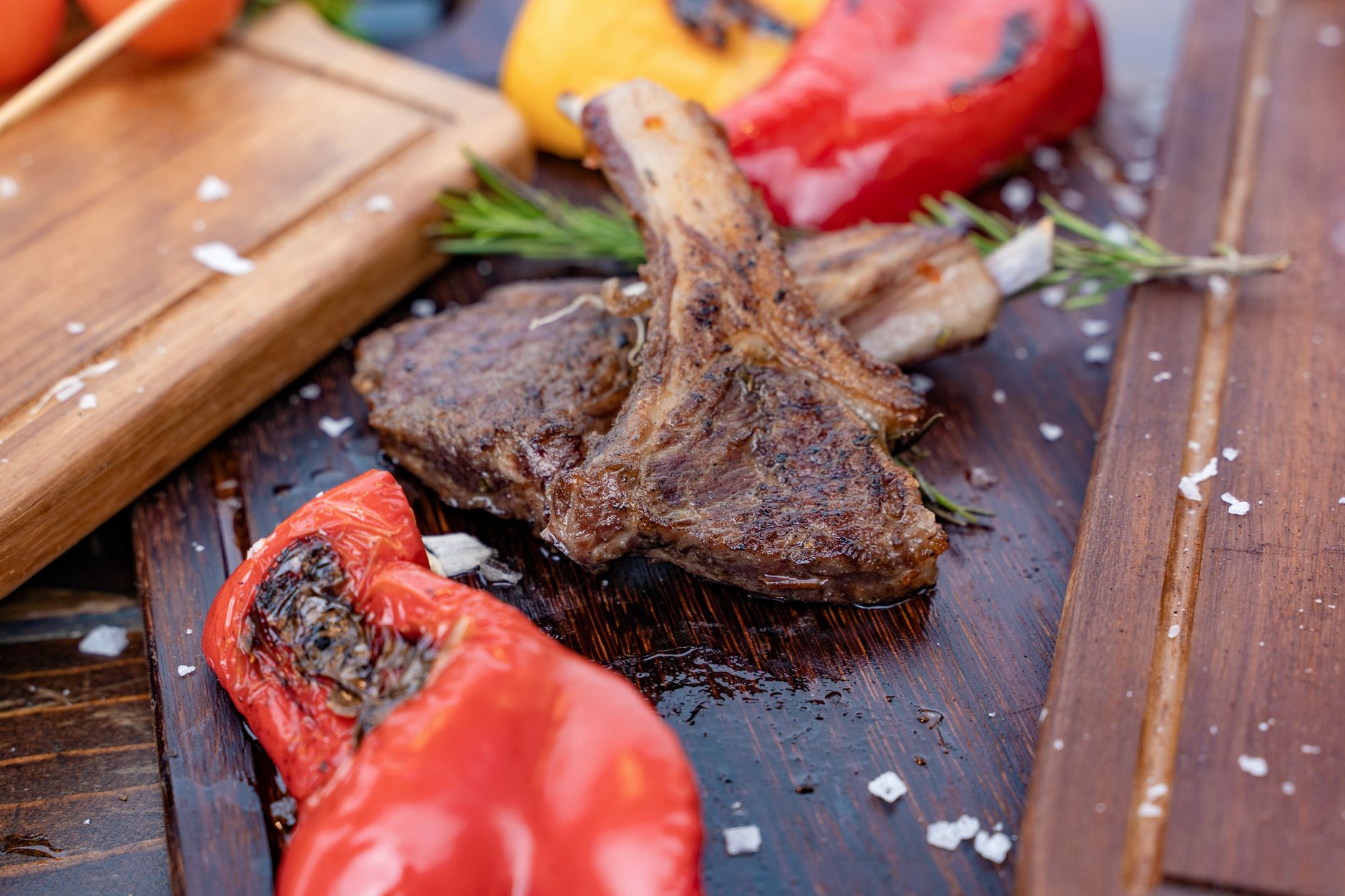
Lamb is a popular meat choice in various cuisines around the world, but many people wonder if it’s actually good for their health. Understanding its nutritional profile, how to choose portions, and various health considerations can help you decide if lamb is right for you.
This article will explore everything you need to know about lamb—its nutrition, potential health benefits and risks, recommended portions, and how to incorporate it into a balanced diet.
Is Lamb Bad for You?
Lamb is not inherently bad for you; however, its health effects depend on factors like portion size, cooking methods, and individual dietary needs. The meat is rich in protein and certain vitamins but can also be high in saturated fats, which may raise cholesterol levels for some individuals.
Nutritional Overview of Lamb
To understand the health implications of consuming lamb, it’s crucial to review its nutritional content. Here’s a breakdown of the typical nutrients found in a 3-ounce (85 grams) serving of cooked lamb, such as leg or rack.
- Calories: Approximately 250-300
- Protein: About 25-26 grams
- Total Fat: 18-20 grams
- Saturated Fat: 8-10 grams
- Cholesterol: 70-90 mg
- Iron: 2.1-3.0 mg
- Vitamin B12: 2.5-3.0 mcg
- Zinc: 5-6 mg
Health Benefits of Lamb
Although lamb can be high in fat, it also provides several health benefits due to its rich nutritional profile:
- High-Quality Protein: Lamb is an excellent source of complete protein, which means it contains all essential amino acids necessary for muscle repair and growth.
- Essential Vitamins: Lamb is rich in several B vitamins, particularly B12, which is vital for red blood cell formation and neurological function.
- Mineral Content: Lamb contains significant levels of iron, zinc, and selenium. Iron helps prevent anemia, while zinc supports immune function and wound healing.
Potential Health Risks
Like any meat, consuming lamb can have health implications, particularly if appropriate guidelines are not followed. Here are some potential risks associated with consuming lamb:
- Saturated Fat Content: Lamb can be high in saturated fats, which may raise LDL cholesterol levels and contribute to heart disease when consumed excessively.
- Risk of Processed Meat: Certain lamb products, like sausages or cold cuts, can be processed and contain added preservatives and higher levels of sodium.
- Allergens: Some individuals may have allergies to lamb or other meats due to specific proteins in the meat.
Recommended Portions of Lamb
Portion sizes can significantly influence the healthiness of a meal. Understanding the right serving size is essential for enjoying lamb healthfully.
For adults, a typical serving size of lamb is about 3 ounces or 85 grams, which translates to the size of a deck of cards. The American Heart Association recommends limiting saturated fat intake to no more than 5-6% of total daily calories, justifying moderate consumption of fatty meats including lamb.
Balancing Lamb in Your Diet
To enjoy lamb while balancing your overall diet, consider these tips:
- Pair with Vegetables: Serve lamb with a variety of colorful vegetables to increase fiber and nutrient content.
- Opt for Lean Cuts: Choose lean cuts, such as leg or loin, to reduce saturated fat intake.
- Adjust Cooking Methods: Use healthier cooking methods like grilling, roasting, or braising instead of frying or using heavy sauces.
Choosing the Right Lamb
When it comes to purchasing lamb, understanding the different types available is crucial.
Types of Lamb
- Spring Lamb: Typically, this is lamb slaughtered at 3-5 months old. It tends to be more tender and has a milder flavor.
- Yearling Lamb: Slaughtered when they’re between 6-12 months old, these lambs offer a stronger flavor and are generally more affordable.
- Mutton: Meat from older sheep (over 12 months) is tougher and has a more pronounced flavor.
Quality Indicators
When selecting lamb, look for:
- Color: Fresh lamb should have a pink or reddish color. If it appears dull or dark brown, it may not be fresh.
- Marbling: Look for a small amount of white fat interspersed throughout the meat, as this fat contributes to moisture and flavor.
- Smell: Lamb should have a clean, pleasant smell. Any off-putting odor could indicate spoilage.
Buying Tips
To ensure you’re making a healthy and ethical choice:
- Purchase from reputable sources that adhere to ethical and sustainable farming practices.
- Ask your butcher about the origin of the meat.
- Consider grass-fed lamb, which typically contains less fat and higher amounts of omega-3 fatty acids.
Cooking Lamb Safely
Proper cooking techniques are vital for ensuring both flavor and safety when preparing lamb. Using a food thermometer is recommended to check for doneness efficiently.
Safe Internal Temperatures
The USDA recommends the following safe internal temperatures for lamb:
- Medium-Rare: 145°F (63°C)
- Medium: 160°F (71°C)
- Well-Done: 170°F (77°C)
Cooking Techniques
Here are popular methods for cooking lamb:
- Grilling: Perfect for cuts like chops and burgers. Allow the meat to rest after grilling to lock in moisture.
- Roasting: Ideal for larger cuts, such as legs of lamb. Consider marinating to enhance flavor.
- Braising: Great for tougher cuts, slow-cooking allows for exquisite tenderness and flavor absorption.
Serving Suggestions for Lamb
Lamb can be incorporated into a variety of dishes. Here are a few tips for serving:
- Pair with fresh herbs like rosemary, mint, or thyme to complement the flavor.
- Accompany with sides like couscous, quinoa, or roasted vegetables to create a balanced meal.
Substitutions and Variations
If lamb isn’t available or preferred, there are several reasonable substitutions:
- Beef: A flavorful alternative, but higher in fat; choose lean cuts.
- Pork: Offers a similar texture, but will impart different flavors.
- Chicken: A leaner option that will require adjustments in cooking times.
Storage and Reheating of Lamb
To ensure safety and quality, proper storage and reheating are key when handling lamb.
Storage Tips
- Keep raw lamb refrigerated and consume it within 3-5 days. For longer storage, freeze it.
- Cooked lamb can be stored in the refrigerator for up to 3-4 days; ensure it’s in a sealed container.
Reheating Guidance
When reheating lamb, ensure it reaches an internal temperature of at least 165°F (74°C). Methods include:
- Microwaving in short intervals, checking doneness frequently.
- Oven reheating, covered with foil to retain moisture.
Conclusion
Lamb can be part of a healthy diet when consumed in moderation and prepared thoughtfully. Understanding its nutritional content, making informed choices at the butcher, and employing safe cooking practices are all essential steps for enjoying this delightful meat.
To further explore the delicious world of lamb, consider trying our ground lamb recipe or our lamb ribs recipe for tasty dishes that make the most of this versatile ingredient.