
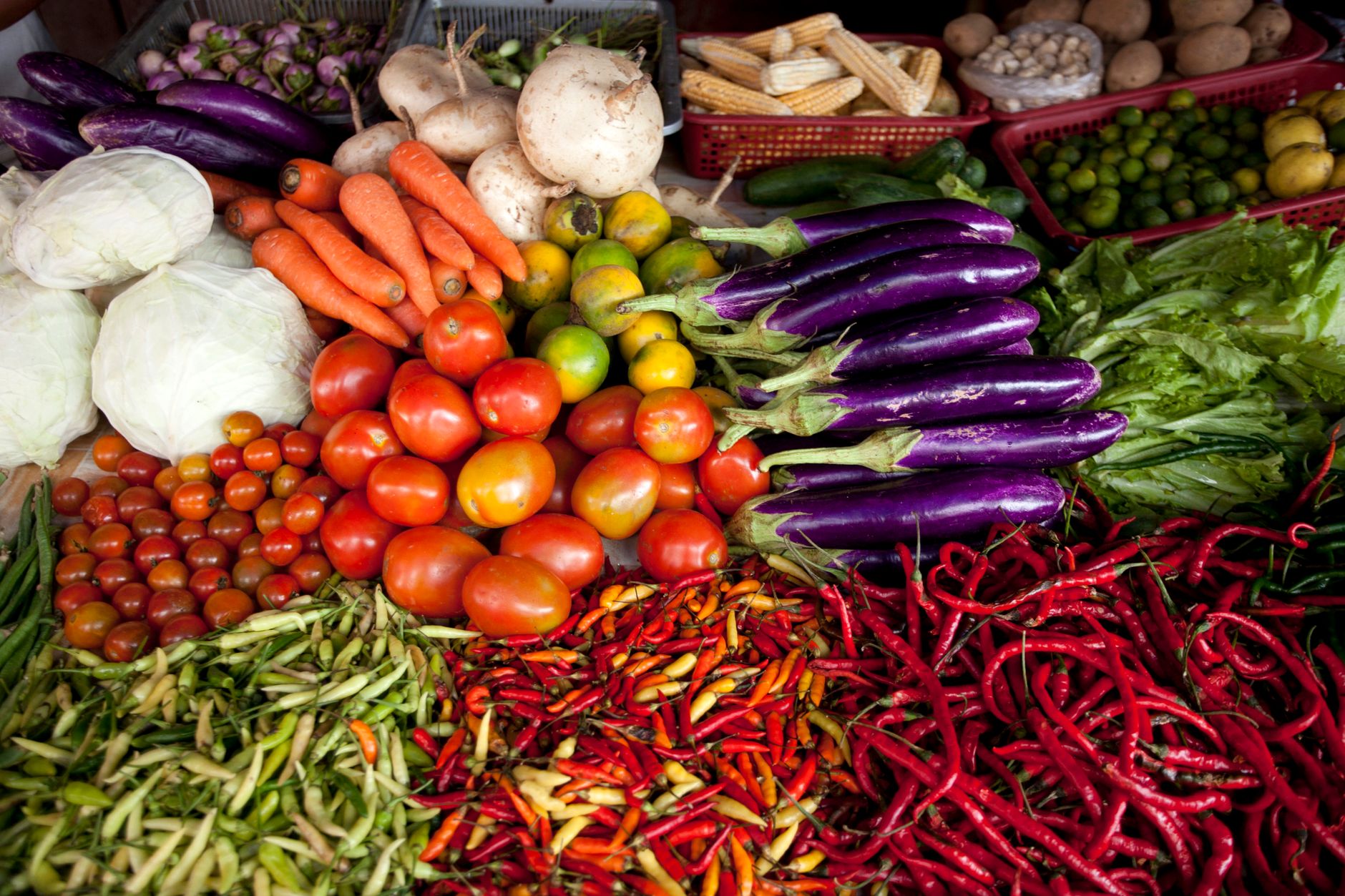
Nightshade plants, belonging to the Solanaceae family, include a variety of familiar foods, some of which are core ingredients in many diets worldwide. These plants range from commonly eaten vegetables to sources of controversial compounds. Understanding what nightshades are and how to integrate or avoid them can be beneficial for anyone, especially those with dietary restrictions or specific allergies.
This guide will explore the characteristics of nightshade vegetables, their culinary uses, potential health implications, and how to incorporate or substitute them in cooking.
What Is a Nightshade?
Nightshades are a family of plants scientifically classified under the Solanaceae family. This group includes numerous species, some of which produce edible fruits, while others can be toxic. Common nightshades include tomatoes, potatoes, eggplants, and peppers.
The appeal of nightshades often lies in their vibrant flavors, interesting textures, and versatility in cooking. However, some individuals may experience adverse reactions to certain compounds found within these plants, warranting closer examination of their dietary choices.
Common Nightshade Vegetables and Fruits
Here are key examples of nightshade vegetables and some details about their use in cuisine:
- Tomatoes: Used in salads, sauces, and countless dishes, tomatoes are rich in flavor and nutrients, particularly lycopene.
- Potatoes: A staple food crop available in various forms, potatoes are versatile for mashing, roasting, or frying.
- Eggplants: Known for their spongy texture, eggplants are often used in dishes like ratatouille or as a vegetarian meat substitute.
- Bell Peppers: These sweet, colorful vegetables can be eaten raw in salads or cooked in stir-fries and stews.
- Hot Peppers: Varieties such as jalapeños and habaneros add spice and heat, often found in sauces and seasonings.
- Goji Berries: Often considered a superfood, goji berries are used in smoothies or health foods for their antioxidants.
Culinary Uses of Nightshades
Nightshade vegetables are celebrated for their broad culinary applications. Their diverse flavors, ranging from sweet to savory and spicy, allow them to fit into various cuisines around the world. Here are some popular uses for nightshades:
Tomatoes
Tomatoes form the base of many sauces, such as marinara or salsa. They are also enjoyed fresh in salads, sandwiches, and as toppings for bruschetta.
Potatoes
Potatoes can be prepared in myriad ways, including boiling, baking, frying, and roasting. They make excellent mashed potatoes, and fried potato chips, and are a staple in comfort foods.
Eggplants
Eggplants lend themselves to grilling and baking. They are key ingredients in dishes like baba ganoush and moussaka, adding a rich, creamy texture.
Peppers
Both bell and hot peppers add crunch and heat to dishes. They can be stuffed, sautéed, or incorporated into sauces, dips, and marinades.
Health Implications of Nightshades
While nightshade vegetables provide many nutrients, they contain alkaloids such as solanine and capsaicin, which can produce adverse effects in sensitive individuals. Some potential concerns related to nightshade consumption include:
Potential Adverse Reactions
Some people report experiencing digestive issues, inflammation, or arthritis flare-ups after consuming nightshades. This has led some to adopt exclusion diets, eliminating these foods:
- Digestive Problems: Nightshades can be heavy in solanine, which may contribute to digestive discomfort for some.
- Inflammatory Responses: Individuals with specific autoimmune conditions may find that nightshades exacerbate their symptoms.
- Allergic Reactions: Although rare, some people have allergic reactions to certain nightshade species.
Benefits of Nightshade Vegetables
Despite the potential concerns, nightshade vegetables offer several health benefits:
- Nutrient-Rich: Nightshades are good sources of vitamins C and K, potassium, and fiber.
- Antioxidants: Vegetables such as tomatoes are high in lycopene, a powerful antioxidant associated with various health benefits.
- Variety in Diet: Incorporating diverse vegetables into your meals ensures a broad spectrum of nutrients.
How to Incorporate Nightshades into Your Diet
If you enjoy nightshades and do not experience adverse reactions, consider the following culinary tips:
Explore Varieties
Experiment with different varieties of nightshades to find those you enjoy most. For example, try heirloom tomatoes for unique flavors or colorful bell peppers for added visual appeal.
Cooking Techniques
Utilize various cooking methods to bring out the best flavors in nightshades. Try grilling eggplants, roasting cherry tomatoes, or stir-frying bell peppers with other vegetables.
Balancing Flavors
Balance the potential acidity of tomatoes with sweetness from vegetables or a touch of sugar. This will enhance their taste when in sauces and dishes.
Mindful Shopping
When purchasing nightshade vegetables, look for vibrant colors and firm textures. Organic options may be beneficial to reduce pesticide exposure, especially with bell peppers and tomatoes.
Alternatives to Nightshades
If you need or want to avoid nightshades, various alternatives can replicate flavors or provide similar textural qualities:
Substituting Tomatoes
- Beetroot Puree: Sweet and earthy, beetroot can add color and depth to sauces.
- Pumpkin Puree: This can provide creaminess and richness in dishes.
Replacing Potatoes
- Sweet Potatoes: For a sweeter flavor and more nutrients, consider using sweet potatoes.
- Turnips: This root vegetable offers a similar texture and can be roasted or mashed.
Alternatives for Eggplants
- Cruciferous Vegetables: Cauliflower can be a great textural substitute in recipes.
- Tofu: Offers a similar texture in dishes like stir-fries or sandwiches.
Replacing Peppers
- Carrots: Offer sweetness and crunch in salads and stir-fries.
- Squash: Zucchini can add moisture and flavor in dishes requiring pepper’s bulk.
Common Mistakes to Avoid with Nightshade Vegetables
When cooking with nightshades, certain common mistakes can detract from the final result:
Overcooking
Overcooking nightshade vegetables can lead to mushy textures and lost flavors. For example, tomatoes can become bitter when cooked excessively.
Ignoring Ripeness
Using under-ripe or overripe vegetables can negatively affect taste and texture. Always select ripe nightshades for optimal flavor.
Neglecting Peeling
Some nightshades have skins that may be tough or bitter. Peeling eggplants before cooking can make their texture more appealing in certain dishes.
Storage Tips for Nightshade Vegetables
Proper storage methods can maximize the shelf life of nightshades:
Tomatoes
Store at room temperature for peak flavor. Refrigerating can alter taste and texture.
Potatoes
Keep in a dark, cool place to prevent sprouting. Avoid refrigeration, as it can cause sugar conversion.
Eggplants
Store in a cool area and consume within a few days to maintain quality.
Bell Peppers
Store in the vegetable crisper of the refrigerator. They can last about a week if kept dry.
Incorporating Nightshade Vegetables in Meal Planning
Integrating nightshades into meal planning can enhance variety and flavor. Consider the following strategies:
Batch Cooking
Prepare sauces or roasted vegetables in bulk ahead of time. This can simplify meal prep for busy weeks.
Healthy Meal Combinations
Layer nightshade vegetables with protein sources, such as chicken or beans, for well-rounded meals.
Themed Nights
Create theme nights focusing on cuisines that prominently feature nightshades, such as Italian or Mediterranean, to explore new recipes.
Conclusion
Nightshade vegetables are a diverse group worth exploring for their rich flavors and culinary versatility. Whether you choose to include them in your diet or avoid them for health reasons, understanding their properties can enhance your cooking experience. Consider experimenting with different varieties or alternatives to keep your meals exciting and inclusive of your dietary needs.
For more cooking insights, check out our guides on substitutes for rosemary and learn about Chihuahua cheese, which can complement your nightshade-based dishes beautifully.