
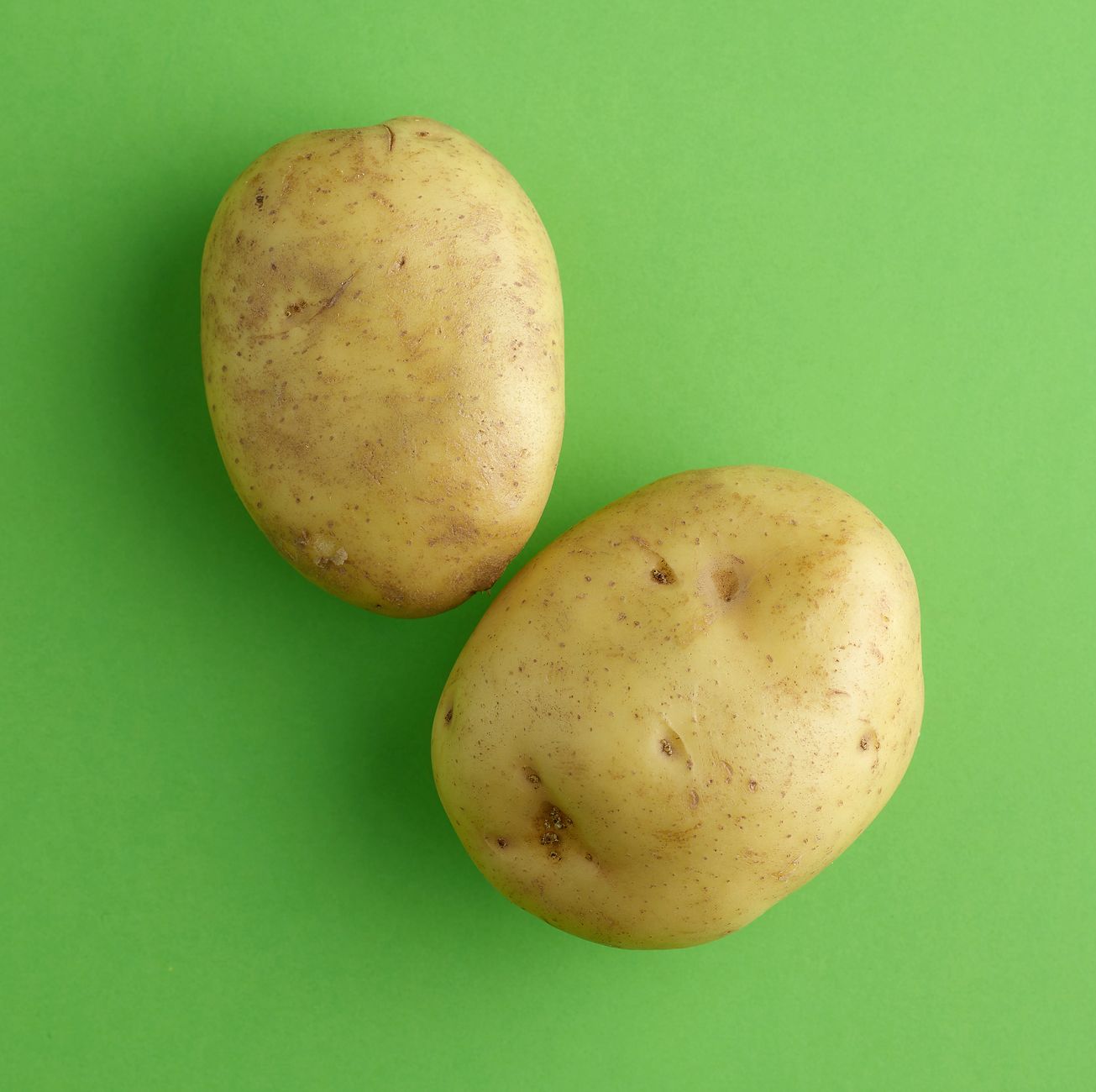
Understanding why potatoes sometimes turn green is essential for anyone who cooks with this versatile ingredient. Green potatoes can be a common concern, especially for home cooks and those looking to make the most of their meals. In this article, we will explore the reasons behind this greening, its implications for cooking, and offer practical tips on choosing, preparing, and serving potatoes safely and deliciously.
Potatoes turn green primarily due to exposure to light during growth or storage. This green pigment indicates the presence of solanine, a natural toxin that can be harmful in large quantities. Knowing how to recognize and handle green potatoes can help you enjoy this staple food while prioritizing health and flavor.
Why Are Potatoes Green?
Potatoes turn green because of chlorophyll production triggered by sunlight exposure. Chlorophyll itself is harmless; however, its presence often means that solanine, a toxic chemical, may also be present in the potato. Solanine develops as a defense mechanism for the tuber against pests, disease, and rot.
Green potatoes might occur for several reasons, including improper storage, neglecting harvest time and light exposure during transportation. Consuming small amounts of solanine is typically safe, but excessive consumption can lead to a bitter taste and potential health issues.
Understanding Solanine
Solanine is a glycoalkaloid poison found in various parts of the potato plant. It serves as a natural pesticide, deterring insects, and herbivores. When potatoes turn green, solanine levels can increase significantly, particularly in the skin and sprouts.
Symptoms of Solanine Poisoning
While solanine poisoning is rare, it can lead to serious symptoms if consumed in large quantities. These symptoms may include:
- Nausea and vomiting
- Diarrhea
- Stomach cramps
- Headaches
- Possible neurological symptoms such as confusion or hallucinations
If a potato exhibits significant greening or sprouting, it’s best to discard it to avoid any risk associated with solanine consumption.
Identifying Green Potatoes
Recognizing green potatoes is crucial for safe cooking practices. Here are some pointers to help identify problematic potatoes:
1. **Color:** The presence of green hints on the skin signifies the start of chlorophyll production.
2. **Sprouting:** Potatoes that have begun to sprout may also exhibit greening.
3. **Taste:** Green parts often have a bitter flavor, and this is a good indicator that they might contain higher solanine levels.
What to Do with Green Potatoes
If you encounter green potatoes, you may wonder what you can do with them. Here are some guidelines:
1. Inspect and Remove
If only small areas of the potato are green, you can safely cut away the green parts with a knife. Ensure you remove any visible sprouts, which can also contain higher levels of solanine.
2. Discard If Necessary
If a potato is mostly green or if it shows heavy sprouting, it’s safest to discard it. The potential risks of solanine poisoning outweigh potential waste.
3. Cook Thoroughly
Cooking does not eliminate solanine entirely, but high cooking temperatures can reduce its potency. If you decide to cook green potatoes that have been peeled and cut, ensure you cook them thoroughly. However, if the potato tastes bitter, it is best to avoid eating it altogether.
How to Store Potatoes to Prevent Greening
Preventing greening in potatoes starts with proper storage. Here are effective tips for keeping your potatoes fresh and green-free:
- Darkness: Store potatoes in a cool, dark place away from sunlight. A pantry, cellar, or a dark cupboard works well.
- Temperature: Aim for a storage temperature between 45°F to 50°F (7°C to 10°C). Avoid storing potatoes in the refrigerator, as colder temperatures can change their flavor and texture.
- Ventilation: Use a burlap sack, paper bag, or cardboard box to allow proper air circulation and avoid moisture buildup which can lead to rot.
Choosing the Right Potatoes
Selecting good quality potatoes is essential for the best culinary results. Here are some pointers on how to choose the right potatoes:
- Skin Quality: Look for firm potatoes with smooth, unblemished skins. Avoid those with wrinkles, dents, or soft spots.
- Color: Avoid potatoes with visible green areas, as these may be signs of greening.
- Size: Choose potatoes appropriate for your recipe; smaller potatoes are ideal for roasting, while larger ones are perfect for mashing.
Culinary Uses of Potatoes
Potatoes are a staple ingredient in many cuisines around the world, offering versatility in preparation and presentation. Here are popular ways to use potatoes in cooking:
1. Mashed Potatoes
Classic mashed potatoes are creamy and delicious, served as a side dish for various entrées. They can be made with butter, milk, cream, or even plant-based alternatives.
2. Roasted Potatoes
Roasted potatoes make for a simple yet satisfying side dish. Tossed in olive oil, herbs, and spices, they develop a crispy exterior while remaining tender inside.
3. Baked Potatoes
Baked potatoes are easy to prepare and serve. Simply pierce them with a fork, bake them until soft, and top with a variety of ingredients like sour cream, chives, cheese, or bacon bits.
4. French Fries
French fries are a popular snack that can be baked or fried for a crispy treat. They can be seasoned with salt, herbs, or spices to enhance their flavor.
5. Potato Salad
Potato salad is a refreshing dish commonly served at picnics or barbecues. Combining boiled potatoes with mayonnaise, mustard, and vegetables creates a satisfying side.
Practical Serving Ideas
- Garnishes: Top mashed potatoes with chives, paprika, or crispy bacon for extra flavor.
- Pairings: Serve roasted potatoes alongside grilled meats or vegetable skewers for a balanced meal.
- Dressings: Enhance baked potatoes with various toppings or serve with sauces like garlic aioli or tzatziki for an interesting flavor twist.
Substituting Potatoes
If you’re looking for alternatives to potatoes or want to experiment with different ingredients, here are some suitable substitutes:
- Sweet Potatoes: A sweeter, nutrient-rich option, sweet potatoes can be used in place of regular potatoes for mashing, roasting, or baking. They have a distinctly different flavor and match well with spices like cinnamon and nutmeg.
- Cauliflower: Mashed or roasted cauliflower can stand in for potatoes in recipes for those looking for a low-carb alternative. It has a mild flavor and absorbs seasonings well.
- Turnips: A root vegetable with a slightly peppery taste, turnips can be mashed or roasted similarly to potatoes and provide a unique flavor.
Common Mistakes When Cooking Potatoes
- Boiling Whole Potatoes: Whole potatoes take much longer to cook than cut potatoes. For even cooking and faster preparation, cut them into uniform pieces.
- Not Seasoning: Potatoes benefit significantly from seasoning. Always salt the water for boiling potatoes or use ample seasoning during roasting.
- Overcooking: Overcooked potatoes can become mushy and lose their texture. Ensure you check them for doneness regularly when boiling or baking.
Storing Leftover Potatoes
How you handle leftover cooked potatoes is equally important for food safety and flavor. Follow these tips for proper storage:
- Cool Promptly: Allow cooked potatoes to cool to room temperature before refrigerating to avoid condensation in the container.
- Store Correctly: Place leftover potatoes in an airtight container and refrigerate for up to 3-5 days.
- Reheat Safely: Reheat leftover potatoes thoroughly before serving, aiming for a uniform temperature of at least 165°F (74°C).
Final Thoughts
Potatoes are an incredibly versatile ingredient, but it’s essential to be aware of their potential for greening due to solanine. By knowing how to identify and handle green potatoes, along with proper storage techniques, you can enjoy this incredible vegetable safely. Experiment with different cooking methods and various potato recipes to maximize their use in your kitchen!
For additional insights, explore guides on gluten in potatoes and how to bake a sweet potato. Enhance your culinary repertoire with these practical resources!