
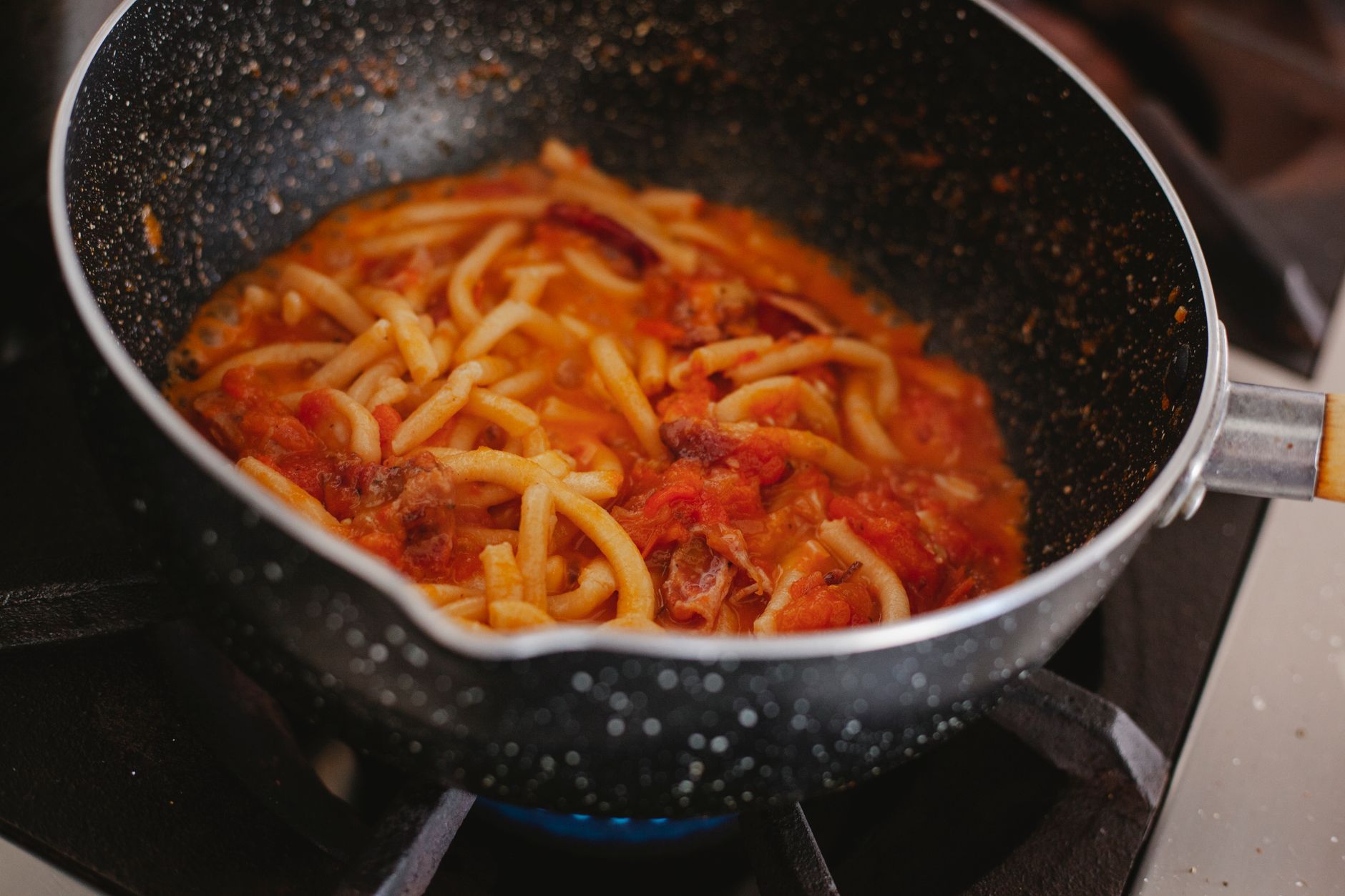
Casarecce is a charming Sicilian pasta variety that’s distinguished by its unique shape. With spiraled edges and a hollow center, it holds sauce beautifully, making it an ideal choice for hearty and robust dishes. Understanding casarecce’s characteristics, flavors, and best ways to serve it can elevate your pasta game significantly.
In this comprehensive guide, we will explore what casarecce is, the ingredients and flavors that define it, and how to serve this delicious pasta effectively. Whether you are looking to enhance your culinary repertoire or to find the perfect recipe for your dinner table, you’re in the right place.
What Is Casarecce?
Casarecce translates literally to “home-made” in Sicilian dialect, a reference to its origin as a traditional pasta made in households across Sicily. This pasta is characterized by its short, twisted shape that resembles a small scroll or a corkscrew. Authentic casarecce is made from durum wheat semolina flour, which gives it a firm texture ideal for holding sauces.
Ingredients of Casarecce
The primary ingredients used in the making of casarecce are simple and wholesome. These include:
- Durum Wheat Semolina Flour: This is the main ingredient, providing structure and a firm bite that is essential for pasta.
- Water: Added to the semolina to form a dough. The quality of water can affect the final texture.
- Salt: Often included to enhance flavor, although some recipes may not call for it until the cooking stage.
Flavor and Texture
Casarecce boasts a mild, nutty flavor typical of durum wheat pasta. When cooked al dente, it presents a satisfying chewiness that works well with various sauces. Its unique shape allows it to trap bits of sauce and other ingredients, making every bite flavorful.
When prepared properly, casarecce can absorb flavors beautifully from sauces, whether they are light and fresh or rich and hearty. This adaptability makes it a favorite in various culinary traditions.
How to Serve Casarecce
There are countless ways to serve casarecce, and here are some of the most popular methods:
1. Casarecce with Tomato-Based Sauces
Tomato-based sauces are a classic pairing. The hollows of the casarecce allow the sauce to cling beautifully, making it a satisfying dish. Simply sauté onions and garlic, add chopped tomatoes, and simmer until the sauce thickens. Toss in the cooked casarecce for a delicious meal.
2. Casarecce with Creamy Sauces
The texture of casarecce also complements creamy sauces, such as Alfredo or a mushroom cream sauce. The richness of the cream binds well with the pasta, creating a comforting dish ideal for colder days.
3. Pesto Casarecce
For a lighter option, toss cooked casarecce with fresh basil pesto. The shape of the pasta allows it to capture the vibrant flavors of the pesto, providing a burst of freshness in every bite.
4. Casarecce in Bake Dishes
Casarecce can also be included in baked pasta dishes. Combine it with vegetables, cheese, and your choice of protein in a baking dish. Top with breadcrumbs and cheese, then bake until golden and bubbly for a comforting entrée.
Cooking Casarecce Perfectly
To ensure the perfect texture and flavor, follow these basic steps when cooking casarecce:
1. Boil Water
Start by bringing a large pot of water to a rolling boil. Use around 4-6 quarts of water for every pound of pasta.
2. Add Salt
Once the water has boiled, add a generous amount of salt—about 1-2 tablespoons. This will enhance the flavor of the pasta.
3. Add Casarecce
Add your casarecce to the boiling water, stirring occasionally to prevent sticking. Refer to the package instructions for recommended cooking time, typically about 8-10 minutes for al dente.
4. Taste for Doneness
About a minute before the package time, taste the pasta. It should be cooked through but still have a slight bite.
5. Drain and Reserve Pasta Water
Once cooked, drain the casarecce in a colander, but reserve a cup of the pasta cooking water. This starchy water can be used to adjust the consistency of your sauce.
6. Combine with Sauce
Quickly toss the drained pasta into your desired sauce, adding reserved pasta water as needed until you achieve the preferred consistency.
Common Mistakes to Avoid
While cooking casarecce is straightforward, there are common pitfalls to be aware of:
- Overcooking: Casarecce cooked too long can become mushy. Always test for doneness a minute before the suggested cooking time.
- Not Salting the Water: Skipping salt can lead to bland pasta. Salting the water adds flavor that remains even after draining.
- Rinsing Pasta: Avoid rinsing cooked pasta unless using it in a cold salad. Rinsing removes the starch that helps sauce adhere.
Practical Substitutions
If you cannot find casarecce or want to try something different, consider these alternatives:
- Fusilli: Similar in shape with a spiral design, fusilli works well in most recipes calling for casarecce.
- Gemelli: Although slightly thicker, gemelli has a similar twist and also traps sauces effectively.
- Rotini: This corkscrew-shaped pasta can serve as a substitute in baked dishes with rich sauces.
Using Casarecce in Meal Planning
Casarecce’s versatility makes it an excellent candidate for meal planning. Here are some tips for incorporating it into your weekly meals:
1. Batch Cooking
Cook a large batch of casarecce and toss it with different sauces throughout the week. Store cooked pasta in an airtight container in the refrigerator for up to 5 days.
2. One-Pot Meals
Create one-pot dishes by adding casarecce to soups or stews. Simply add it to the pot during the last 10 minutes of cooking.
3. Freeze for Later
If you have leftover casarecce, consider freezing it for future use. To do this, cool it thoroughly, place it in a freezer-safe container, and store for up to 3 months.
Tips for Pairing Casarecce with Ingredients
When making a dish with casarecce, consider the following complementary ingredients:
- Vegetables: Spinach, zucchini, bell peppers, and mushrooms are excellent choices that add color and nutrition.
- Proteins: Chicken, shrimp, sausage, or legumes make for hearty options to include in your sauce.
- Cheeses: Parmesan, ricotta, and mozzarella create a rich flavor profile when included or used as toppings.
Cultural and Regional Significance
Casarecce is strongly tied to Sicilian cuisine. Its handmade origins reflect the Italian tradition of artisanal pasta making. In many households, it’s common to serve casarecce in festive meals and family gatherings, celebrating the richness of local flavors.
Storage and Reheating Guidance
Proper storage and reheating techniques can help maintain the texture and flavor of casarecce:
Storing Cooked Casarecce
After cooking, allow casarecce to cool before storing it in an airtight container. It can stay fresh in the refrigerator for up to 5 days.
Reheating Tips
To reheat, add a splash of water or broth in a skillet over medium heat and add the pasta. Stir until warm, ensuring it doesn’t dry out. Alternatively, you can microwave it, adding moisture as needed.
Conclusion
Casarecce is more than just a pasta; it is a vessel for flavor and creativity. Whether you enjoy it with a simple tomato sauce or a rich cream-based dish, its distinct shape and texture enhance any recipe. By keeping some basic cooking techniques and pairing tips in mind, you can enjoy this delightful pasta in various forms.
For more exciting pasta recipes, check out our guide on orecchiette pasta and a delicious cannelloni recipe to round out your culinary adventures.