
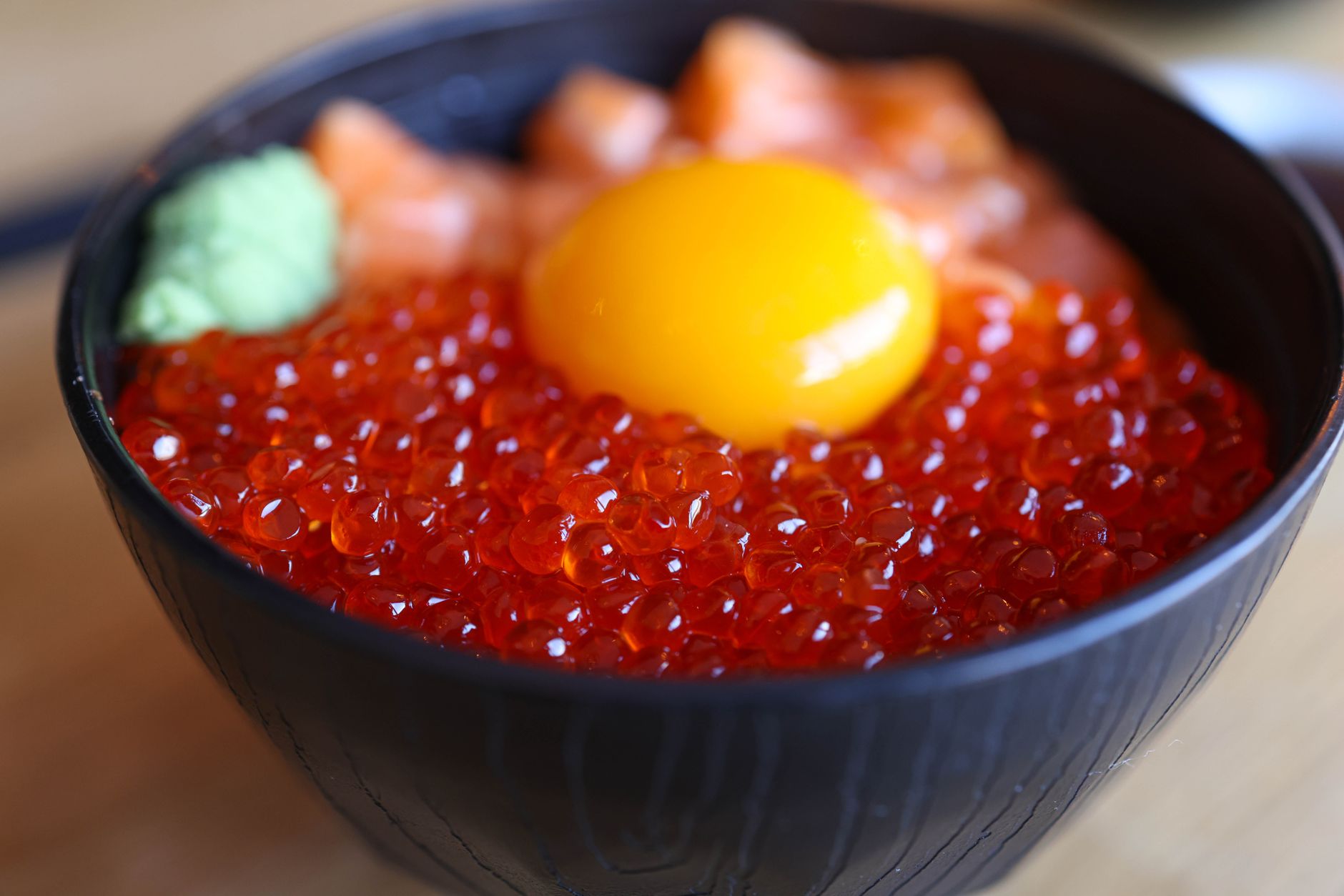
Vitamin D is an essential nutrient that plays a crucial role in maintaining bone health, supporting the immune system, and improving mood. While sunlight is a primary source of Vitamin D, certain foods can help you meet your daily requirements. In this article, we will explore the various foods rich in Vitamin D, their nutritional content, portion sizes, and practical ways to incorporate them into your diet.
Understanding which foods are high in Vitamin D will empower you to make informed dietary choices. Whether you’re looking to boost your intake for health reasons or simply want to enjoy delicious dishes that offer this important nutrient, this comprehensive guide will provide you with the information you need.
Which Foods Have Vitamin D?
Foods that are rich in Vitamin D include fatty fish, certain mushrooms, fortified dairy products, and egg yolks. Fatty fish such as salmon and mackerel are the most significant sources, offering up to 100% of your daily intake in just one serving. Fortified foods, such as milk and cereals, also contribute to your overall Vitamin D levels.
Fatty Fish
Fatty fish are among the best natural sources of Vitamin D. Here is a list of popular fatty fish and their Vitamin D content:
- Salmon (Wild-caught, cooked) – Approximately 570 IU per 3.5 ounces (100 grams)
- Mackerel (Atlantic, cooked) – Around 360 IU per 3.5 ounces (100 grams)
- Sardines (Canned in oil, drained) – Approximately 270 IU per 3.5 ounces (100 grams)
- Tuna (Canned in oil, drained) – Roughly 236 IU per 3.5 ounces (100 grams)
To incorporate these fish into your diet, consider grilling or baking them with herbs and spices for flavorful meals. A simple baked salmon dish paired with vegetables can serve as a nutrient-rich dinner.
Fortified Foods
Many food products are fortified with Vitamin D to help increase dietary intake. Common fortified foods include:
- Milk (Fortified) – Approximately 120 IU per cup (240 mL)
- Orange juice (Fortified) – Around 137 IU per cup (240 mL)
- Cereals (Fortified) – Up to 140 IU per serving (check individual labels)
- Plant-based milk alternatives (e.g., almond milk, soy milk) – Varies, generally 100-150 IU per cup (240 mL)
Adding fortified dairy or non-dairy beverages to your breakfast routine can significantly boost your Vitamin D levels. Pour fortified milk over cereal or enjoy fortified orange juice with your morning meal.
Mushrooms
Certain mushrooms can naturally produce Vitamin D when exposed to UV light. Here are some mushrooms known for their Vitamin D content:
- Shiitake mushrooms (Dried) – About 154 IU per 100 grams
- Portobello mushrooms (Exposed to UV light) – Approximately 450 IU per 100 grams
- Button mushrooms (Exposed to UV light) – Roughly 7-25 IU per 100 grams
Incorporating mushrooms into your meals is easy. Add sautéed shiitake mushrooms to stir-fries or use portobello caps as a meat substitute in burgers.
Eggs
Egg yolks are a source of Vitamin D, though they contain it in smaller amounts compared to fatty fish. One large egg yolk contains about 41 IU of Vitamin D. Eggs are versatile and can be used in various dishes:
- Breakfast scrambles
- Omelettes
- Baked goods
Using eggs in your breakfast routine or incorporating them into baking can help you slowly increase your Vitamin D intake.
Red Meat and Organ Meats
Red meat and organ meats provide smaller amounts of Vitamin D compared to other sources. Here’s what you can expect:
- Beef liver (Cooked) – About 49 IU per 3.5 ounces (100 grams)
- Ground beef (Cooked) – Approximately 16 IU per 3.5 ounces (100 grams)
While not as rich in Vitamin D, including lean cuts of red meat can diversify your protein sources while contributing some Vitamin D to your diet.
Practical Tips for Increasing Vitamin D Intake
Here are some practical tips to help you incorporate Vitamin D-rich foods into your daily meals:
- Start your day with a fortified cereal and milk or a smoothie featuring yogurt and fortified juice.
- Grill or bake fatty fish, adding them to salads or pasta dishes for nutrient-rich meals.
- Snack on a small handful of fortified almonds or a cheese sandwich made with fortified bread.
- Experiment with various mushroom recipes, such as mushroom risotto or stuffed mushrooms.
- Substitute regular milk with fortified plant-based alternatives in recipes to increase Vitamin D content.
By implementing these tips, you can easily create balanced meals that meet your dietary needs for Vitamin D.
Dosage Recommendations
The recommended dietary allowance (RDA) for Vitamin D varies based on age, sex, and life stage. The general recommendations are as follows:
- Infants (0-12 months): 400 IU
- Children (1-18 years): 600 IU
- Adults (19-70 years): 600 IU
- Adults (71 years and older): 800 IU
- Pregnant and breastfeeding women: 600 IU
It’s essential to meet these recommendations through a combination of dietary sources and sunlight exposure. If you’re unsure about your intake, consider consulting a healthcare professional.
Conclusion
Incorporating Vitamin D-rich foods into your diet is not only beneficial for your health but also allows for delicious meal creations. Fatty fish, fortified foods, mushrooms, and eggs are all excellent sources of this vital nutrient. By understanding portion sizes and making some dietary adjustments, you can help ensure you meet your Vitamin D needs.
If you’re looking for more ways to explore nutrition and delicious recipes, consider trying a refreshing chia pudding using coconut milk or a tasty cottage cheese bagel for breakfast. These options can complement your journey in achieving a well-rounded diet.
Explore related recipes, cooking tips, or food guides on our site, such as the chia pudding recipe or cottage cheese bagel recipe.