
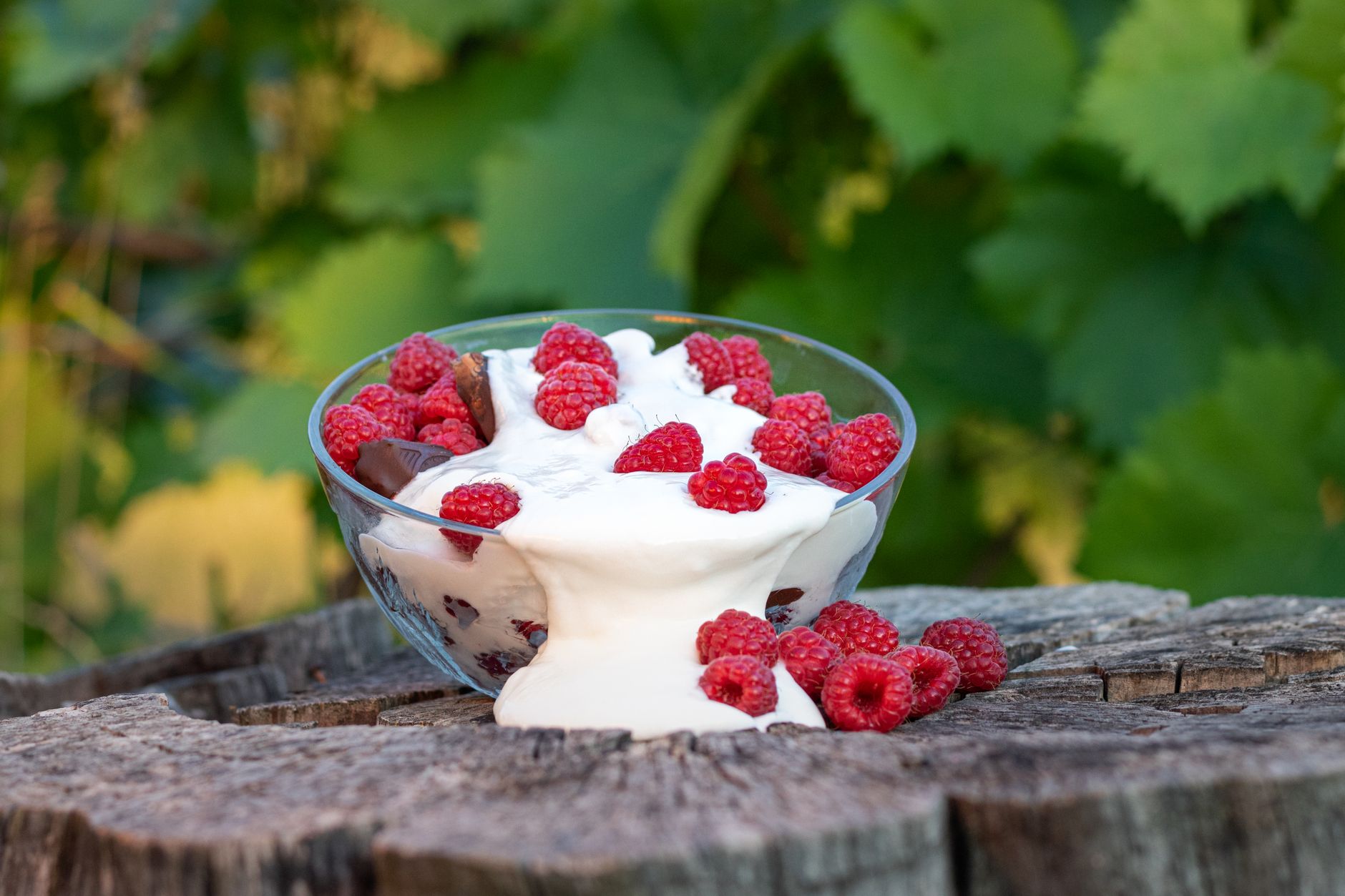
Cream is a rich and luscious ingredient that adds flavor, texture, and dairy goodness to a wide variety of recipes. Understanding where cream comes from not only enriches our culinary knowledge but also helps in selecting the best types for different applications, from cooking to baking. This article will delve into the origins of cream, how it is produced, and its various uses in the kitchen.
We will explore the different types of cream, their characteristics, and how they can elevate your dishes. Additionally, we will touch on common substitutes if you’re looking for alternatives or accommodating dietary preferences.
Where Does Cream Come From?
Cream comes from milk, specifically the fatty layer that rises to the top when milk is left to stand. This natural separation occurs because cream is less dense than milk. The method of obtaining cream varies, leading to different types depending on their fat content and usage in cooking.
The Origins of Cream Production
The history of cream dates back thousands of years, with evidence of dairy farming present in ancient civilizations. Early settlers learned to domesticate animals such as cows, goats, and sheep for their milk.
The process of collecting cream is quite simple. Traditionally, fresh milk was allowed to sit undisturbed, enabling the cream to rise to the surface. This collection method was widely used until the advent of modern technology, which made the cream separation process more efficient.
Modern Cream Separation Techniques
Today, cream is mainly separated from milk using a mechanical device called a cream separator. This machine works on the principle of centrifugal force, spinning the milk at high speeds to separate the cream from the skim milk. This method provides a more efficient means of producing cream in larger quantities, altering the traditional process of cream collection.
Types of Cream and Their Uses
Cream comes in various forms, each suited to different culinary uses. Understanding these types can help you choose the right cream for your recipes.
Heavy Cream (or Heavy Whipping Cream)
Heavy cream contains at least 36% fat, making it ideal for whipping. When whipped, it doubles in volume and forms stiff peaks, perfect for topping desserts or making creamy sauces. This cream lends a rich texture and flavor to dishes such as alfredo sauce, chocolate mousse, and whipped cream toppings.
Light Cream (or Coffee Cream)
Light cream has a lower fat content, typically around 18-30%. It is often used to enrich coffee or add creaminess to sauces without being as thick as heavy cream. Light cream won’t whip well but can be used in soups, salad dressings, and creamy pasta dishes.
Cream Cheese
Cream cheese is a soft, spreadable cheese made from cream and milk. It typically has a fat content of around 33%. It’s often used in baking, particularly in cheesecakes, or as a spread for bagels. Cream cheese can also add a tangy flavor to dips and frostings.
Half-and-Half
Half-and-half is a blend of equal parts milk and cream, containing about 10-18% fat. Primarily used in coffee and as a light cream substitute, half-and-half adds creaminess without being overly rich.
Whipped Cream
Whipped cream is simply heavy cream that has been whipped until it forms soft peaks. It serves as a delightful topping for desserts like pies, cakes, and ice cream. It can be sweetened with sugar or flavored with vanilla extract to enhance its taste.
Crème Fraîche
Crème fraîche is a cultured cream product with a slightly tangy flavor, made by mixing heavy cream with a bacterial culture. It has a fat content of around 30-40% and is ideal for adding richness to soups, sauces, and desserts without curdling when heated.
How to Choose the Right Cream
Selecting the appropriate cream for your dish depends on its desired texture and flavor. Here are a few tips to help you choose the right type:
- For Whipping: Choose heavy cream, as it whips best and holds its shape.
- For Sauces: Heavy cream or light cream can work well, depending on the richness needed.
- For Baking: Opt for cream cheese in cheesecakes and heavy cream for more decadent treats.
- For Coffee: Half-and-half or light cream provides the right balance without overpowering the coffee flavor.
Common Substitutes for Cream
If you find yourself without cream or wish to use a lighter option, several substitutes can mimic its properties:
Milk and Butter
Combining whole milk with melted butter can create an occasional stand-in for heavy cream, providing a similar richness. Mix ¾ cup of milk with ¼ cup of melted butter to replace one cup of heavy cream. This substitute works well in cooking, but it will not whip.
Coconut Cream
Coconut cream is an excellent dairy-free substitute that adds richness and a subtle coconut flavor to dishes. Use it in equal amounts as a substitute for heavy cream. It’s great in desserts like pudding or in curries for added creaminess.
Greek Yogurt
For a healthier alternative, Greek yogurt can be used to replace some cream in recipes. It’s particularly useful in sauces or as a topping. Substitute heavy cream with a mix of two parts yogurt to one part milk to achieve a similar consistency without the fat.
Common Mistakes When Using Cream
- Overheating: High temperatures can cause cream to curdle; always heat gently and avoid boiling.
- Rushing the Whipping Process: Whip heavy cream gradually and at a medium speed to prevent it from becoming grainy or turning into butter.
- Substituting Incorrectly: Not all substitutes work the same; understand that using alternatives can change the outcome.
Cooking with Cream: Tips and Techniques
When cooking with cream, it’s important to master certain techniques to achieve the best results.
Whipping Cream
To whip cream successfully, start with a chilled bowl and beaters. Heavy cream should be at least 36% fat for maximum volume. Whip on medium speed until soft peaks form, then add sugar or flavors to taste. Avoid over-whipping, which can lead to separation.
Making Sauces
To create a thick, creamy sauce, start by sautéing your aromatic ingredients (like garlic or onions) in butter. Gradually add cream, stirring continuously. Allow the mixture to simmer gently until it thickens to your desired consistency. Avoid boiling to prevent curdling.
Storage and Freshness of Cream
To maintain the quality and freshness of cream, proper storage is crucial:
- Store heavy cream in the coldest part of the refrigerator, ideally below 40°F (4°C).
- Seal the container tightly to prevent the absorption of odors.
- Check expiration dates, and use opened cream within a week for best quality.
Can You Freeze Cream?
While you can freeze heavy cream, it may change texture and separate when thawed. It is more suitable for cooking than for whipping. To freeze, pour cream into ice cube trays, freeze, and then transfer the cubes to a freezer bag. Use frozen cream within three months.
Health Considerations
Cream is calorie-dense due to its high-fat content, and while it provides essential nutrients like calcium and vitamin A, moderation is key. If you have dietary restrictions, consider lower-fat options or plant-based substitutes. Always check ingredient labels for allergens and added ingredients.
Conclusion
Cream is a versatile ingredient with a rich history and numerous applications in the kitchen, from savory sauces to decadent desserts. Understanding its origins, types, and uses can enhance your cooking experience. Whether you’re whipping cream for desserts or creating rich sauces, knowing about cream equips you with the skills to make your dishes more flavorful and enjoyable.
For those interested in expanding their culinary repertoire, you might explore related recipes such as cream cheese mints or learn how to make crème fraîche at home.