
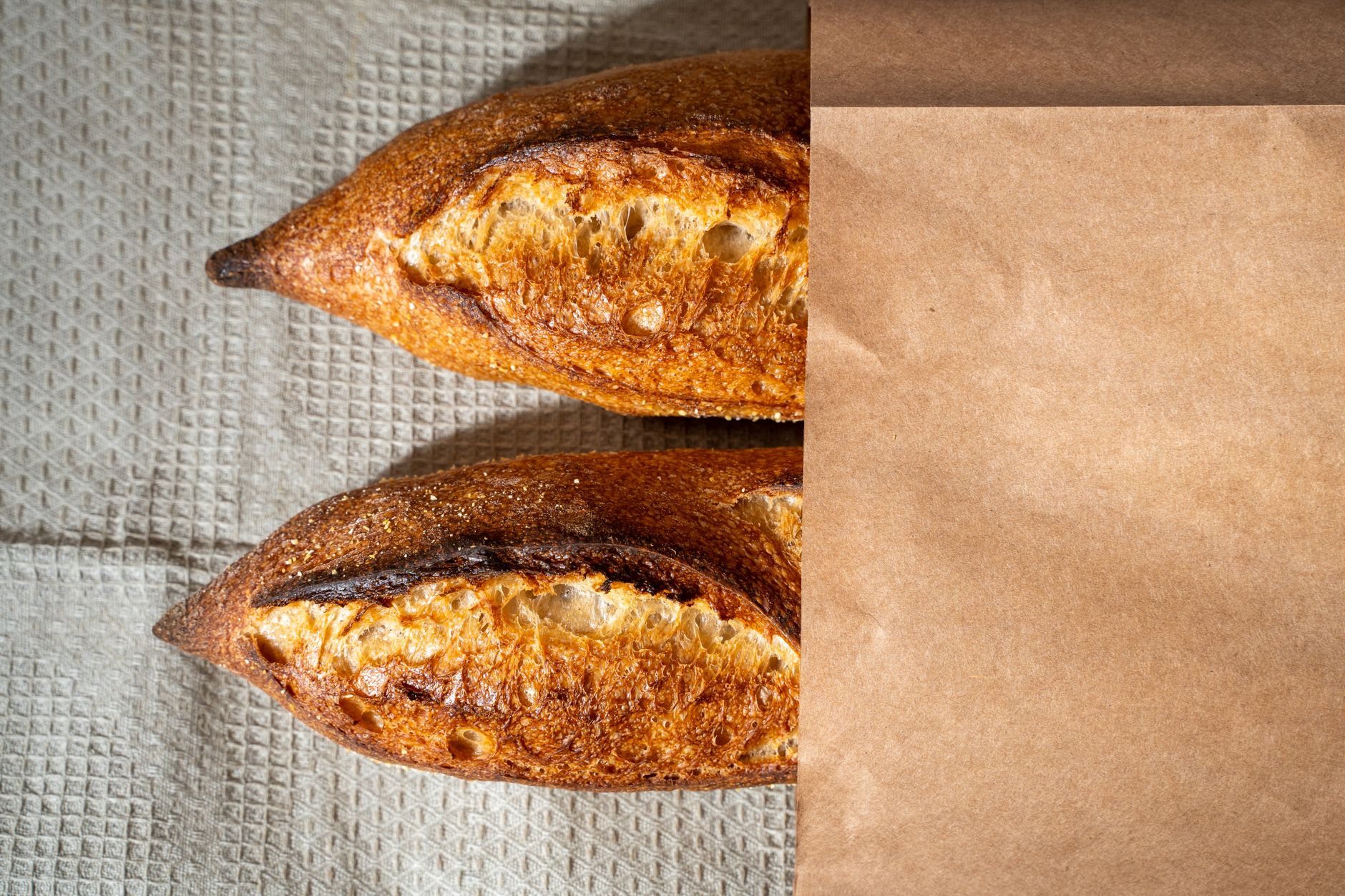
The world of bread is vast and diverse, with different cultures contributing unique flavors, textures, and techniques. Among these, French bread and Italian bread stand out for their distinct characteristics, making them staples in their respective cuisines. This article delves into the differences between French and Italian bread, exploring their ingredients, baking methods, texture, and uses in cooking.
Understanding these differences can not only enhance your culinary knowledge but also help you choose the right bread for your meal plans or recipes. Whether you are preparing a traditional French dish or a classic Italian recipe, knowing the right bread can elevate your cooking.
What Is The Difference Between French Bread And Italian Bread?
The primary differences between French and Italian bread lie in their ingredients, textures, flavors, and baking techniques. French bread, typically consisting of wheat flour, water, yeast, and salt, tends to have a crusty exterior and a soft, airy interior. Italian bread often includes additional ingredients like olive oil and sometimes sugar, leading to a denser texture and a richer flavor. These differences also affect how each bread is used in recipes or served at the table.
Characteristics of French Bread
French bread is known for its unique texture, crust, and flavor profile. Here are some key characteristics:
- Types: Standard types of French bread include baguettes, boules, and pain de campagne. Each variety has its own shape and texture.
- Crust: French bread is recognized for its crispy, golden-brown crust, achieved through a steaming process during baking.
- Texture: The inside is often airy, with large holes and a chewy crumb, resulting from a wet dough and long fermentation.
- Flavor: French bread has a mild flavor, often complemented by its crust. The simplicity of its ingredients allows it to be versatile.
Common Types of French Bread
Some of the most popular types of French bread include:
- Baguette: This iconic long loaf is known for its crispy crust and soft interior, perfect for sandwiches or served alongside soup.
- Pane Poilâne: A round, sourdough-style bread with a nutty flavor, often enjoyed with cheese or as a table bread.
- Fougasse: A flatbread often topped with herbs or olives, commonly served as an appetizer or as part of a meal.
Characteristics of Italian Bread
Italian bread has its own set of qualities that distinguish it from its French counterpart:
- Ingredients: Italian bread can include additional ingredients like olive oil, which contributes to a richer flavor and softer texture.
- Crust: The crust of Italian bread is generally softer and less chewy, especially for varieties like ciabatta.
- Texture: Italian bread tends to be denser and chewier, with an open crumb structure that can hold toppings better.
- Flavor: The inclusion of extra ingredients like oil or sugar lends a slightly sweeter and more robust flavor compared to French bread.
Common Types of Italian Bread
Typical varieties of Italian bread include:
- Ciabatta: A rustic, flat bread known for its crisp crust and airy interior, frequently used for sandwiches.
- Focaccia: An olive oil-rich flatbread often seasoned with herbs, garlic, or toppings, ideal as an appetizer or side.
- Breadsticks (Grissini): Thin, crunchy sticks often served with dips or as snacks, embodying a complement to Italian meals.
Baking Techniques and Methods
The baking methods used for French and Italian breads contribute significantly to their final characteristics.
French Bread Baking Techniques
French bread typically involves the following techniques:
- Autolyse: A resting period after mixing flour and water allows enzymes and proteins to develop, enhancing flavor and texture.
- Shaping: After fermentation, French bread is shaped into loaves that may vary based on the type (e.g., baguette or boule).
- Steaming: A steaming method is often employed during the initial phase of baking, which helps develop the crust’s crispiness.
Italian Bread Baking Techniques
Italian bread baking techniques include:
- Preferments: Techniques like biga or poolish are often used to create flavor and texture before the final dough is mixed.
- Short Fermentation: Many Italian breads undergo a shorter fermentation process, which contributes to their dense texture.
- Higher Hydration: Ciabatta, in particular, is known for its high hydration, resulting in the light, open crumb.
Kitchen Uses for French and Italian Bread
Understanding the different uses of French and Italian bread can help you in meal planning and recipe development. Here are some common uses for each type:
Uses for French Bread
- Slicing for Sandwiches: The crusty exterior of baguettes and other French breads makes them ideal for creating delicious sandwiches that hold up well under fillings.
- Serving with Soups and Salads: The contrast of textures adds interest to meals, making it a popular choice to accompany soups and salads.
- Bruschetta: French bread can be toasted and topped with tomatoes and herbs for a classic appetizer.
Uses for Italian Bread
- Panini or Subs: The soft, chewy texture of Italian bread like ciabatta is perfect for grilling and pressing into paninis.
- As a Base for Focaccia: Focaccia serves as a base for numerous toppings, making it popular for appetizers or as a savory snack.
- Serving with Olive Oil: Italian bread is often enjoyed as a dipping bread with olive oil and balsamic vinegar.
Practical Substitutions
If you find yourself short on a specific type of bread, here are some practical substitutions to keep in mind:
For French Bread
- Baguette: A sourdough loaf can work well in a pinch due to its crusty exterior.
- French Bread Roll: Any soft roll can serve as a substitute for smaller portions, although flavors may differ slightly.
For Italian Bread
- Ciabatta: A focaccia can replace ciabatta in various dishes, particularly sandwiches, though the texture will differ.
- Focaccia: In recipes calling for focaccia, breadsticks can be used as a crunchy addition, albeit without the flavors of olive oil.
Common Mistakes and Troubleshooting
When baking or cooking with French and Italian breads, certain mistakes can occur. Here are common pitfalls and how to avoid them:
Mistakes with French Bread
- Too Dry Crust: Overbaking can lead to a dry crust. Monitor your baking time closely to avoid this.
- Insufficient Steam: Not using steam during baking results in a chewy instead of crispy crust. Use a steaming pan or spray water in the oven to maintain moisture.
Mistakes with Italian Bread
- Too Dense: Over-kneading or not allowing enough fermentation time can make the bread overly dense. Be gentle while kneading.
- Flavor Imbalance: Skipping olive oil or sugar can lead to bland bread. Make sure to measure these ingredients accurately for the best results.
Storage and Reheating Guidance
Storing bread properly is crucial to maintaining its texture and flavors. Here’s how to store French and Italian breads:
Storing French Bread
- At Room Temperature: Keep your French bread in a paper bag to retain its crispy crust while letting it breathe.
- Freezing: If freezing, wrap tightly in plastic wrap and aluminum foil to prevent freezer burn. Thaw at room temperature when ready to use.
Storing Italian Bread
- At Room Temperature: Italian bread can be stored in a cloth bag or bread box to maintain its texture.
- Freezing: Similar to French bread, wrap tightly and freeze for long-term storage. Reheat in the oven for a fresh texture.
Final Thoughts
In summary, French and Italian breads each offer unique textures, flavors, and culinary uses. By understanding these differences, you can better select the right bread for your dishes and enhance your cooking experience. From a simple baguette to a flavorful ciabatta, both types of bread can add depth to your meals.
For further exploration in the realm of bread-making, consider trying your hand at a sourdough baguette recipe or a Cuban bread recipe to diversify your skills and palate.