
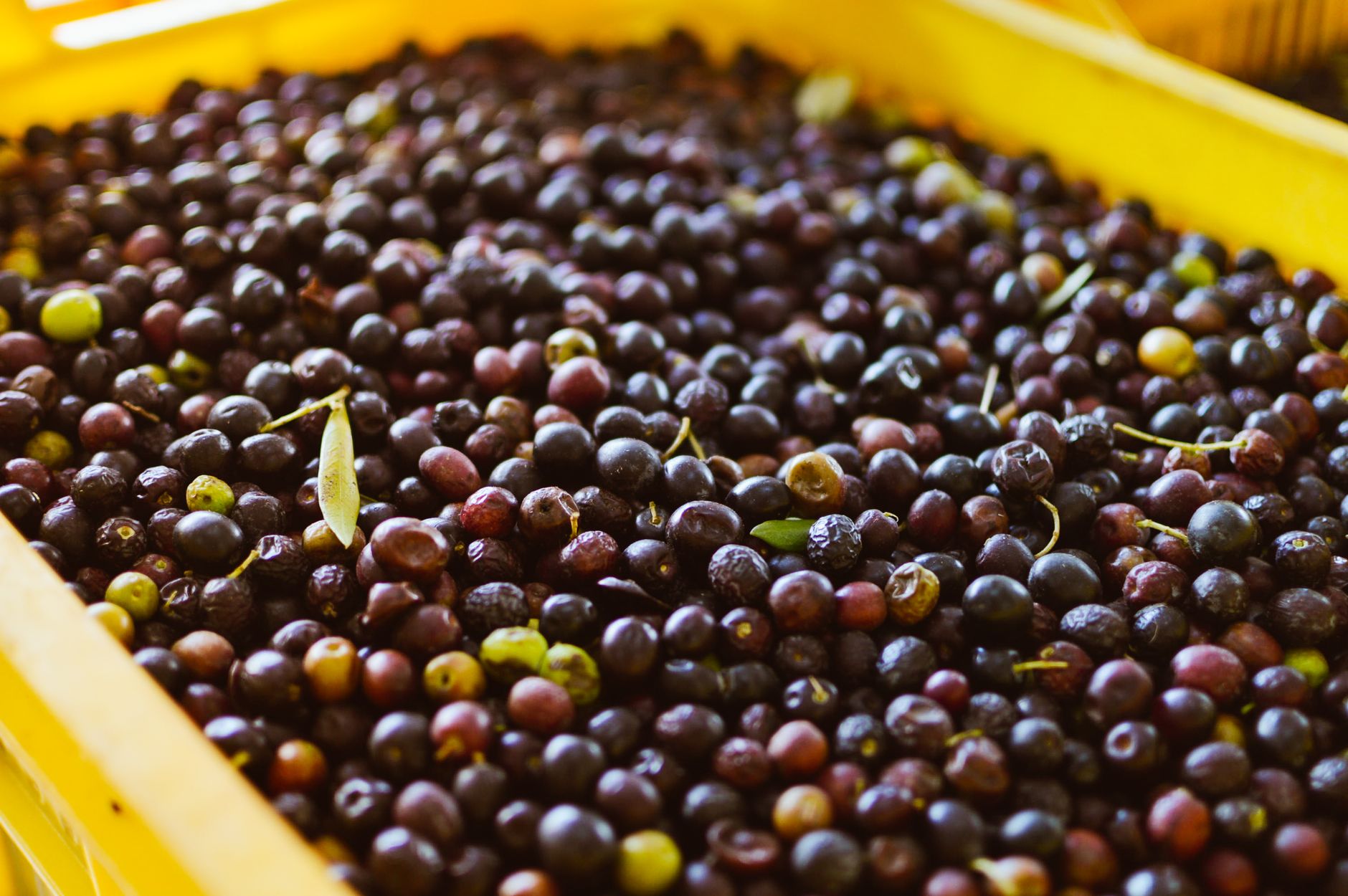
Olive oil is more than just a cooking ingredient; it embodies centuries of tradition and cultural significance. Understanding where olive oil comes from expands our appreciation for this versatile oil, from its historical roots to modern-day culinary applications.
This article will explore the origins of olive oil, its rich history, geographical significance, production methods, and its place in various culinary traditions around the world.
Where Is Olive Oil From?
Olive oil originates from the olive tree, primarily found in the Mediterranean region. The history of olive oil spans thousands of years, making it a staple in many cultures. Today, it is produced in numerous countries, with notable contributions from Spain, Italy, Greece, and Tunisia.
The Origins of Olive Oil
The olive tree (Olea europaea) is native to the Mediterranean Basin, with evidence suggesting that it has been cultivated for over 6,000 years. Archaeological findings in areas such as Crete and the regions surrounding the Aegean Sea show that the ancient Minoans were among the first to produce olive oil.
From these beginnings, olive oil spread across the Mediterranean, eventually becoming a vital resource in many societies. The Greeks and Romans regarded olive oil not only as a dietary staple but also as a symbol of peace and prosperity. The oil was used in religious ceremonies, as a grooming agent, and as a means of illumination.
Geographical Significance
The Mediterranean is the primary region associated with olive oil production, but as demand has grown, production has expanded to other parts of the world. The following countries are known for their quality olive oil:
- Spain: The largest producer, accounting for nearly 45% of the world’s olive oil. The Andalusia region, particularly around the provinces of Jaen and Cordoba, is famous for its high-quality oils.
- Italy: Known for its diverse styles and high-quality extra virgin olive oils. Regions like Tuscany and Umbria are particularly renowned for their rich flavor profiles.
- Greece: A nation with a strong olive oil culture, famous for its robust and aromatic oils, particularly from regions like Kalamata and Crete.
- Tunisia: The largest producer of olive oil in Africa, producing high-quality oils thanks to its favorable climate.
- Turkey: A growing player in the olive oil market with a history that dates back to ancient times.
- California: An emerging olive oil producer in the United States with a focus on quality and sustainability.
Production Methods of Olive Oil
The process of making olive oil involves pressing the olives to extract the oil. Here are the main steps involved:
- Harvesting: Olives are typically harvested between September and December, depending on the region and desired oil characteristics.
- Washing and Grinding: Once harvested, olives are washed to remove dirt and debris, then crushed into a paste using traditional stone mills or modern hammer mills.
- Malaxation: The olive paste is mixed for 20-45 minutes to encourage oil droplets to coalesce.
- Separation: The oil is separated from the solid parts using either a traditional press or a centrifuge. This step is crucial in determining the final oil’s quality.
- Storage: Olive oil should be stored in dark, cool conditions to maintain its flavor and quality. Exposure to light and heat can degrade the oil’s quality.
Types of Olive Oil
Not all olive oil is created equal. Here are the primary classifications based on production methods and quality:
- Extra Virgin Olive Oil: The highest quality olive oil, made from the first cold pressing of olives. It has low acidity (less than 0.8%) and a robust flavor profile.
- Virgin Olive Oil: Made from the second pressing, this oil has a slightly higher acidity level (up to 2%) and a good flavor, though not as strong as extra virgin.
- Refined Olive Oil: This oil is made from virgin olive oils that have been refined using chemical or physical means. It usually has a mild flavor and higher smoke point.
- Olive Pomace Oil: Extracted from the leftover pulp after the first press, this oil is often mixed with refined oils and marketed for cooking and frying.
Culinary Uses of Olive Oil
Olive oil is celebrated for its versatility in the kitchen. Here are some common uses:
- Cooking: Ideal for sautéing, frying, and roasting due to its high smoke point, particularly when using refined or light olive oils.
- Dressings: Extra virgin olive oil serves as a base for vinaigrettes and dressings, enhancing flavors with its rich taste.
- Dipping: Drizzling high-quality extra virgin olive oil over bread or vegetables serves as a delicious appetizer.
- Baking: Olive oil can substitute for butter or other fats in baked goods, providing moisture and depth of flavor.
Food Traditions Involving Olive Oil
Olive oil plays a critical role in various cuisines, celebrating its origins while adapting to local flavors. Here are some influential food traditions:
Mediterranean Cuisine
In Mediterranean countries, olive oil is central to their culinary identity. Dishes feature olive oil as a primary ingredient, highlighting its healthful properties. For instance:
- Greek Salad: Fresh tomatoes, cucumbers, olives, and feta cheese are dressed liberally with extra virgin olive oil.
- Italian Pasta: Olive oil is used as a base for sauces, complementing ingredients like garlic and fresh herbs.
Middle Eastern Cuisine
Olive oil plays a significant role in Middle Eastern cooking, often used in meze dishes. Examples include:
- Hummus: Creamy chickpea dip rich in flavor and typically finished with a drizzle of olive oil.
- Tabbouleh: A fresh salad made with parsley, bulgur, tomatoes, and dressed with olive oil and lemon juice.
Spanish Cuisine
Spain’s culinary landscape is richly defined by olive oil, evident through its use in local dishes like:
- Gazpacho: A cold tomato soup that incorporates earthy olive oil to enrich its flavor.
- Tapas: Many small plates feature olive oil, enhancing flavors in dishes like patatas bravas and olives.
The Health Aspects of Olive Oil
Olive oil is often touted for its health benefits, primarily due to its high content of monounsaturated fats and antioxidants. Regular consumption may contribute to:
- Improved heart health.
- Reduced inflammation.
- Protection against certain chronic diseases.
Choosing Quality Olive Oil
When shopping for olive oil, consider the following tips to ensure you’re selecting a quality product:
- Look for dark glass bottles to protect the oil from light.
- Check for harvest dates on labels; fresher oil tends to have a better flavor profile.
- Avoid oils labeled as “pure” or “light” unless you specifically seek a more refined taste.
- Seek certifications known for quality, such as PDO (Protected Designation of Origin) or PGI (Protected Geographical Indication).
Storing Olive Oil
To preserve the integrity of olive oil, proper storage is essential:
- Store in a cool, dark place.
- Keep the lid tightly sealed to prevent oxidation.
- Avoid storing in the refrigerator, as this can affect the flavor and texture.
Common Mistakes When Using Olive Oil
While olive oil is a simple ingredient, there are common pitfalls to avoid:
- Using low-quality oils for high-heat cooking can lead to undesirable flavors.
- Not balancing flavors in dishes with olive oil may result in uninteresting taste profiles.
- Overheating extra virgin olive oil can diminish its beneficial properties and rich flavors.
Olive Oil Substitutions
When olive oil is not available or suitable for specific dietary requirements, consider these alternatives:
- Avocado Oil: Similar flavor profile with a high smoke point, making it suitable for cooking and baking.
- Coconut Oil: Offers a distinct flavor and is ideal for baking but may impart sweetness to dishes.
- Canola Oil: A neutral oil that can be used in most applications, though it lacks the distinctive taste of olive oil.
Conclusion
Understanding where olive oil comes from enhances our appreciation for its rich history and its integral role in various cultures. As you explore culinary traditions, consider the unique flavors and uses of olive oil to elevate your dishes. The next time you reach for that bottle, you are not just using an ingredient; you are embracing centuries of history and tradition.
Explore related recipes and tips, such as how to substitute avocado oil for olive oil or creating a delicious pesto recipe without pine nuts, to enhance your culinary knowledge even further.