
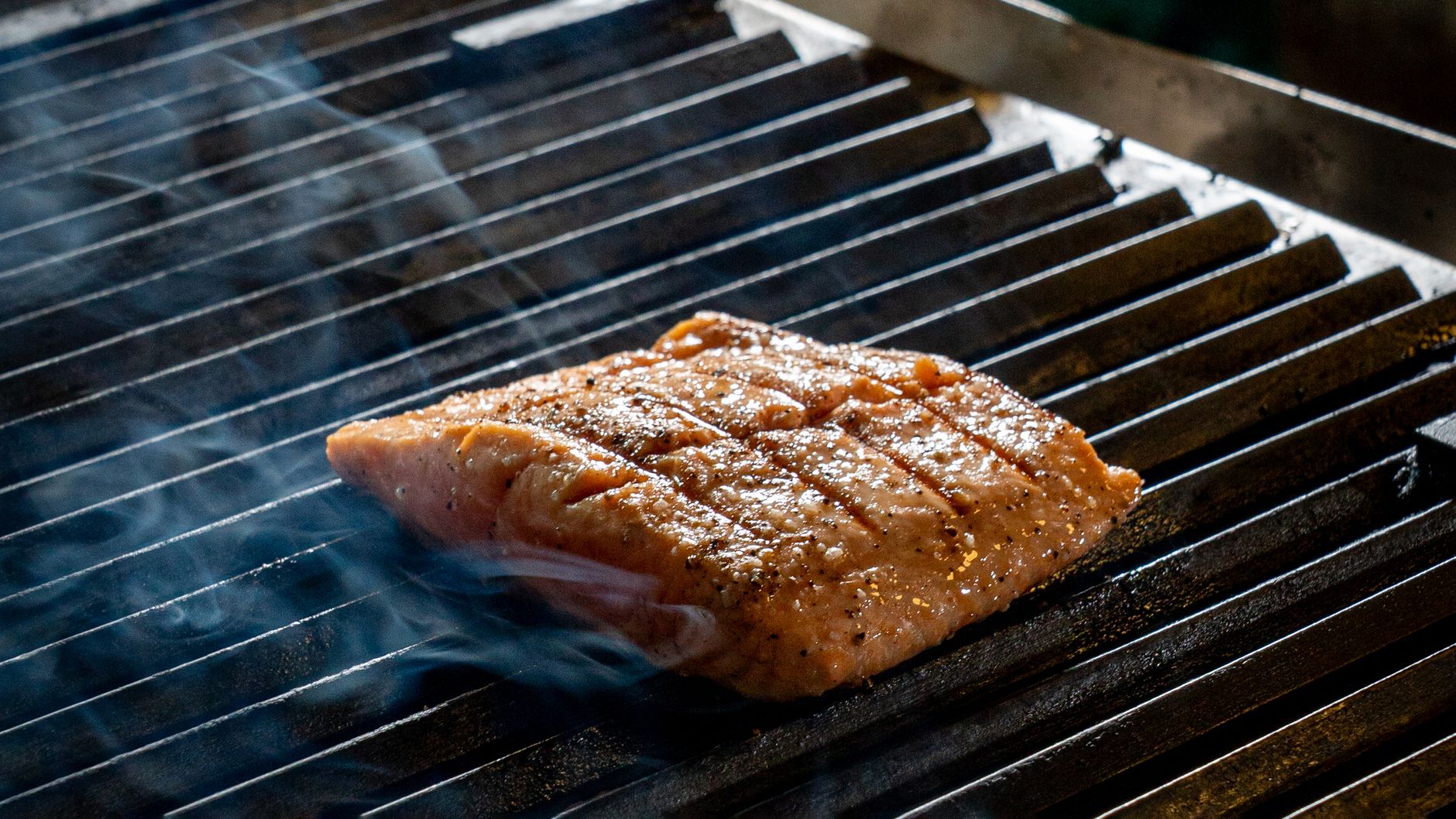
Cooking salmon can be a delightful experience, but it’s essential to understand how hot to cook it to achieve the best texture and flavor. Salmon is a versatile fish that can be prepared in various ways, from grilling to baking and pan-searing. Each method has its own temperature guidelines and cooking times that ensure your salmon turns out perfect every time.
This guide will take you through the ideal cooking temperatures for salmon, including prep, timing, and serving tips to elevate your dish. Whether you’re a novice or a seasoned cook, mastering the cooking temperature for salmon will make your meals more enjoyable and nutritious.
How Hot to Cook Salmon?
The ideal cooking temperature for salmon is between 125°F to 145°F (51°C to 63°C). Cooking salmon to an internal temperature of 125°F will yield a medium-rare texture, whereas cooking it to 145°F will achieve a fully cooked piece of fish. Understanding these temperatures will help you achieve the desired doneness while preserving the moisture and rich flavor of the salmon.
Understanding Salmon Cuts and Types
Before diving into the cooking temperatures and methods, it’s helpful to understand the different cuts of salmon and their characteristics. Each cut may require slight adjustments in cooking time and temperature.
- Fillet: A boneless cut taken from the side of the fish. Fillets are generally thicker and can vary in size.
- Steak: A cross-section cut, typically including the bone. Steaks are thicker and may take longer to cook than fillets.
- Side: The entire fillet cut from the fish, often used in baking or grilling segments.
- Poke or Sashimi: Raw preparations that require very fresh fish, usually served as is without cooking.
Essential Equipment for Cooking Salmon
Having the right kitchen tools can make cooking salmon much easier. Here are some essential equipment items you might need:
- Heavy-duty pan or skillet (for pan-searing)
- Oven-safe baking dish (for baking)
- Grill or grill pan (for grilling)
- Food thermometer (for accurate temperature measurement)
- Spatula (for flipping and handling salmon)
- Serving plate (for plating the salmon)
How to Cook Salmon: Methods and Temperatures
Pan-Seared Salmon
Pan-searing is a popular method that results in a crispy skin and tender flesh. Here’s how to do it:
- Heat your skillet: Preheat a heavy-duty skillet over medium-high heat for about 3-4 minutes.
- Add oil: Add a tablespoon of oil (such as olive oil or avocado oil) to the heated skillet.
- Place the salmon: Carefully place the salmon skin-side down in the skillet. Cook for about 4-6 minutes.
- Flip: Gently flip the salmon over and cook for an additional 3-5 minutes, checking for doneness as you go.
- Check the temperature: Use a food thermometer to ensure the internal temperature reaches 125°F for medium-rare or 145°F for fully cooked salmon.
Baked Salmon
Baking salmon is a straightforward method that keeps the fish moist while allowing for easy seasoning. Follow these steps:
- Preheat your oven: Set the oven to 375°F (190°C).
- Prepare your dish: Grease an oven-safe dish or line it with parchment paper. Place the salmon fillets in the dish.
- Season: Add your favorite seasonings, such as lemon, garlic, herbs, salt, and pepper.
- Bake: Place the dish in the oven and bake for 15-20 minutes, depending on the thickness of the fish.
- Check for doneness: As before, ensure the internal temperature of the salmon is at least 125°F or 145°F.
Grilled Salmon
Grilling salmon imparting a smoky flavor enhances the fish’s natural richness. Here’s how to achieve grilled perfection:
- Preheat the grill: Heat your grill to a medium-high temperature, about 375°F (190°C).
- Prepare the grill grates: Oil the grill grates to prevent sticking.
- Season the fish: Lightly oil the salmon and season as desired.
- Grill: Place the salmon skin-side down on the grill. Cook for about 5-7 minutes before flipping.
- Flip and finish: After flipping, grill for another 4-6 minutes, checking for doneness.
- Measure temperature: Use a food thermometer to check that the internal temperature reaches your desired doneness.
Poached Salmon
Poaching is a gentle cooking method that results in incredibly moist salmon. Here’s how to do it:
- Prepare poaching liquid: In a large skillet, combine water, white wine, lemon slices, herbs, and seasonings. Bring to a simmer.
- Add salmon: Carefully lower the salmon fillets into the simmering liquid.
- Poach: Cover the skillet and let the salmon poach for about 15 minutes, or until cooked through.
- Check temperature: Ensure the internal temperature reaches 125°F-145°F.
Timing and Monitoring Cooking Temperature
The cooking time for salmon will depend on several factors, including the thickness of the fish, the cooking method, and personal preference for doneness. As a general rule, plan on cooking salmon for 4-6 minutes per half-inch of thickness using high-heat methods like pan-searing and grilling. Baking may take slightly longer, while poaching generally requires consistent monitoring.
Your best tool for monitoring doneness is an instant-read thermometer. Insert it in the thickest part of the salmon to get an accurate temperature reading. If you prefer your salmon medium-rare, remove it from the heat when the internal temperature reaches 125°F. For a more well-done salmon, aim for 145°F. It’s essential not to overcook the salmon, as this can lead to a dry texture.
Common Mistakes to Avoid
Here are some pitfalls to avoid when cooking salmon to ensure your fish turns out perfectly every time:
- Overcooking: Begin checking the temperature a few minutes before the expected cooking time to prevent dryness.
- Not using enough oil: When pan-searing or grilling, use adequate oil to prevent sticking and enhance flavor.
- Slicing too soon: Let the salmon rest for 3-5 minutes after cooking before cutting into it, allowing juices to redistribute.
- Disregarding freshness: Always use the freshest salmon available for the best flavor and texture.
Flavor Pairings and Serving Suggestions
Once your salmon is perfectly cooked, consider how to serve it to enhance its flavor. Here are some flavor pairings and serving ideas:
- Citrus: Lemon, lime, or grapefruit can brighten the dish and balance the richness of the salmon.
- Herbs: Dill, parsley, and chives are classic pairings that complement the fish.
- Vegetables: Serve alongside roasted or grilled vegetables such as asparagus, carrots, or Brussels sprouts.
- Grains: Pair salmon with quinoa, rice, or couscous for a satisfying meal.
- Sauces: Consider sauces like hollandaise, tzatziki, or a simple garlic butter for added richness.
Make-Ahead and Storage Tips
If you plan to prepare salmon in advance, here are some helpful tips:
- Refrigerate: Store any cooked salmon in an airtight container in the refrigerator for up to three days.
- Freezing: If you need longer storage, freeze cooked salmon for up to six months. Thaw overnight in the refrigerator before reheating.
- Reheating: Gently reheat salmon in the oven at a low temperature (about 275°F or 135°C) to preserve moisture.
Cooking salmon doesn’t have to be intimidating. By understanding the right temperatures, cooking methods, and timing, you can create a delicious and healthy meal. Whether you are pan-searing, baking, or grilling, achieving the perfect salmon will surely impress your family and guests.
For more guidance on cooking other fish, check out our article on how long to cook tilapia or learn how to identify fresh fish with our tips on how to tell if salmon is bad.