
Whether you’re a novice cook or a seasoned grill master, knowing what temperature steak should be cooked to is essential for achieving the desired level of doneness and flavor. Cooking steak to the right temperature not only enhances its taste but also ensures that it is safe to eat.
This guide will explore recommended steak temperatures, cooking times, techniques for checking doneness, and tips for making the perfect steak every time. By the end, you’ll be well-equipped to impress your family and friends with perfectly cooked steaks.
What Temp Should Steak Be?
The ideal cooking temperature for steak varies depending on the desired level of doneness. Here are the key temperature points to remember:
- Rare: 120-125°F (49-52°C)
- Medium Rare: 130-135°F (54-57°C)
- Medium: 140-145°F (60-63°C)
- Medium Well: 150-155°F (65-68°C)
- Well Done: 160°F (71°C) and above
These temperatures ensure that your steak is juicy, flavorful, and cooked to your preference.
Understanding Steak Doneness
Steak doneness is primarily determined by internal temperature, which affects the texture and juiciness of the meat. Here’s what you can expect at each level of doneness:
Rare
Cooked to an internal temperature of 120-125°F, rare steak is warm throughout with a cool red center. It has a soft, buttery texture and is often favored by steak enthusiasts who appreciate the rich flavor of beef.
Medium Rare
Medium rare steak has an internal temperature of 130-135°F. This level of doneness features a warm red center and is considered by many chefs and diners as the ideal level for its flavorful and juicy qualities.
Medium
Medium steak is cooked to 140-145°F, resulting in a warm pink center. While still juicy, it has a firmer texture and a slightly less pronounced beef flavor compared to medium rare.
Medium Well
Cooked to an internal temperature of 150-155°F, medium well steak has a mostly gray center, with just a hint of pink. The steak becomes drier at this level, with reduced flavor.
Well Done
Well done steak, reaching an internal temperature of 160°F and above, is fully cooked with no pink remaining. It typically has a firm texture and is much drier than its less-cooked counterparts.
Cooking Steaks to the Right Temperature
Achieving the perfect temperature isn’t just about timing; it’s also about techniques. Here are some essential tips for cooking steak:
Invest in a Good Meat Thermometer
A reliable meat thermometer is a chef’s best friend. Instant-read thermometers provide the quickest and most accurate readings for determining doneness. Use it to check the internal temperature of your steak before it reaches your desired doneness.
Understanding Carryover Cooking
When you remove a steak from the heat source, the internal temperature will continue to rise, typically by about 5-10°F. This phenomenon, known as carryover cooking, means you should take your steak off the grill or pan just before it reaches your target temperature.
Resting Your Steak
After cooking, let the steak rest for about 5 to 10 minutes before slicing. This helps the juices redistribute throughout the meat, resulting in a more flavorful and juicy cut.
Cooking Techniques for Steak
There are several common methods for cooking steak, each resulting in unique flavors and textures.
Grilling
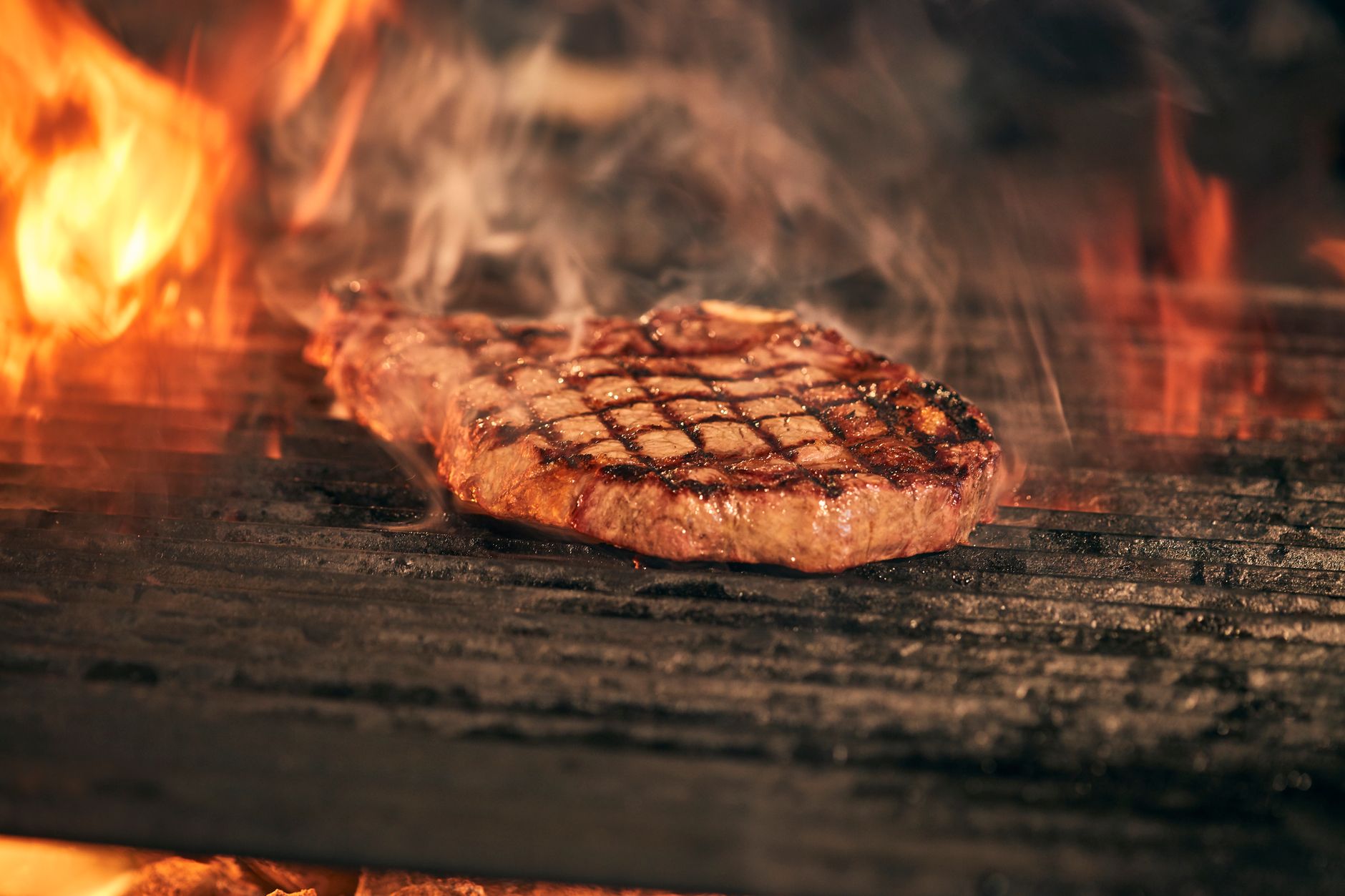
Grilling is one of the most popular methods for cooking steaks. It imparts a smoky flavor and creates a delicious crust. Here’s a basic grilling method:
- Start by preheating your grill to high heat.
- Season your steak with salt and pepper or your choice of marinade.
- Place the steak on the grill and close the lid.
- Cook for 4-5 minutes per side for medium rare, depending on the thickness.
- Use a meat thermometer to check for doneness before removing the steak.
- Let it rest before slicing.
Pan-Searing
Pan-searing steaks on the stovetop is another effective method. The direct contact with a hot pan creates a beautifully caramelized surface.
- Heat a cast-iron skillet or heavy pan over medium-high heat until hot.
- Add a tablespoon of oil with a high smoke point, like canola or avocado oil.
- Place the steak in the pan and sear for about 3-5 minutes without moving it.
- Flip the steak and sear for another 3-5 minutes, monitoring with a thermometer.
- Remove from the heat and allow it to rest.
Broiling
Broiling is the process of cooking food with high heat from above. This method can yield delicious results with minimal effort.
- Preheat the broiler in your oven.
- Place the rack about 4-6 inches from the heat source.
- Season your steak and place it on a broiler pan.
- Broil for about 4-5 minutes per side, checking temperature.
- Let it rest before serving.
Sous Vide
Sous vide is a method where steak is vacuum-sealed and cooked in a water bath at a precise, regulated temperature. This technique results in perfectly cooked steak every time.
- Season the steak and place it in a vacuum-sealed bag.
- Preheat the sous vide water bath to your target temperature (e.g., 130°F for medium rare).
- Submerge the bag in the water and cook for 1-4 hours.
- After cooking, remove the steak from the bag and quickly sear it on high heat for a crust.
Checking For Doneness Without a Thermometer
While a thermometer is the most reliable way to check steak doneness, there are alternative methods.
Finger Test Method
The finger test involves using the firmness of the steak to judge doneness:
- Rare: Soft, like pressing the area between your thumb and index finger.
- Medium Rare: Flesh feels slightly firmer, like pressing the base of your thumb.
- Medium: Even firmer, similar to pressing your middle finger.
- Medium Well: Firm, like your ring finger.
- Well Done: Very firm, like your pinky.
Visual Cues
Observing the steak can also give you a clue to doneness. A significant change in color and juices is a good indicator.
- Rare: Cool, red, and juice on the surface.
- Medium Rare: Warm red center with juices starting to flow.
- Medium: Pink center, with more visible juices.
- Medium Well: Light pink in the middle, juices mostly clear.
- Well Done: No visible pink, juices mostly clear.
Common Mistakes When Cooking Steak
Even the best cooks can make mistakes. Here are some common pitfalls and how to avoid them:
- Overcooking: Always use a thermometer to avoid overcooking your steak, particularly when aiming for medium rare.
- Skipping the Rest: Letting your steak rest after cooking allows juices to redistribute.
- Not Seasoning Enough: Generously season your steak with salt and pepper or marinades to enhance flavor.
- Flipping Too Soon: Let the steak develop a crust before flipping to ensure a good sear.
Serving Suggestions
Steak can be served in various ways, making it an incredibly versatile dish. Try these serving ideas:
- Serve with garlic butter or chimichurri sauce for added flavor.
- Pair with a fresh salad or grilled vegetables for a complete meal.
- Slice and serve in tacos or on top of nachos for a Mexican twist.
Make-Ahead Tips
While steaks are typically made fresh, you can do a little preparation in advance to make cooking easier:
- Marinate your steak overnight for added flavor.
- Pre-portion your steaks into individual servings for quick meal prep.
- Prepare sides in advance, such as salads or roasted veggies, to complement your steak.
Storage and Reheating Guidelines
If you have leftover steak, follow these guidelines to maintain its quality:
Storing Leftover Steak
1. Allow the steak to cool to room temperature.
2. Store it in an airtight container or tightly wrap it in aluminum foil or plastic wrap.
3. Refrigerate for up to 3-4 days or freeze for up to 6 months.
Reheating Steak
To reheat steak without drying it out:
- Preheat the oven to 250°F (121°C).
- Place the steak on a baking sheet, covered with foil.
- Heat in the oven for 15-30 minutes until warmed through.
- For a crust, quickly sear it on the stovetop after reheating.
Knowing the right temperatures for cooking steak, along with proper techniques and tips, can elevate your culinary skills. With this guide, you’re now equipped to cook steak to perfection, ensuring every meal is a success.
Explore delicious recipes such as our baked steak recipe and the tasty Delmonico steak recipe to expand your steak cooking repertoire.