
Popcorn is a beloved snack that has been enjoyed for centuries, known for its delightful crunch and versatility. But where does this popular treat actually come from? Understanding the origins, cultivation, and preparation of popcorn not only enriches our appreciation for this snack but also inspires creative ways to enjoy it.
In this article, we will explore the history of popcorn, the maize varieties that are used to produce it, the planting and harvesting processes, and the methods of cooking it that create those delightful fluffy kernels we all love. By unraveling the journey of popcorn from farm to table, we can gain a deeper appreciation for this classic snack.
Where Does Popcorn Come From?
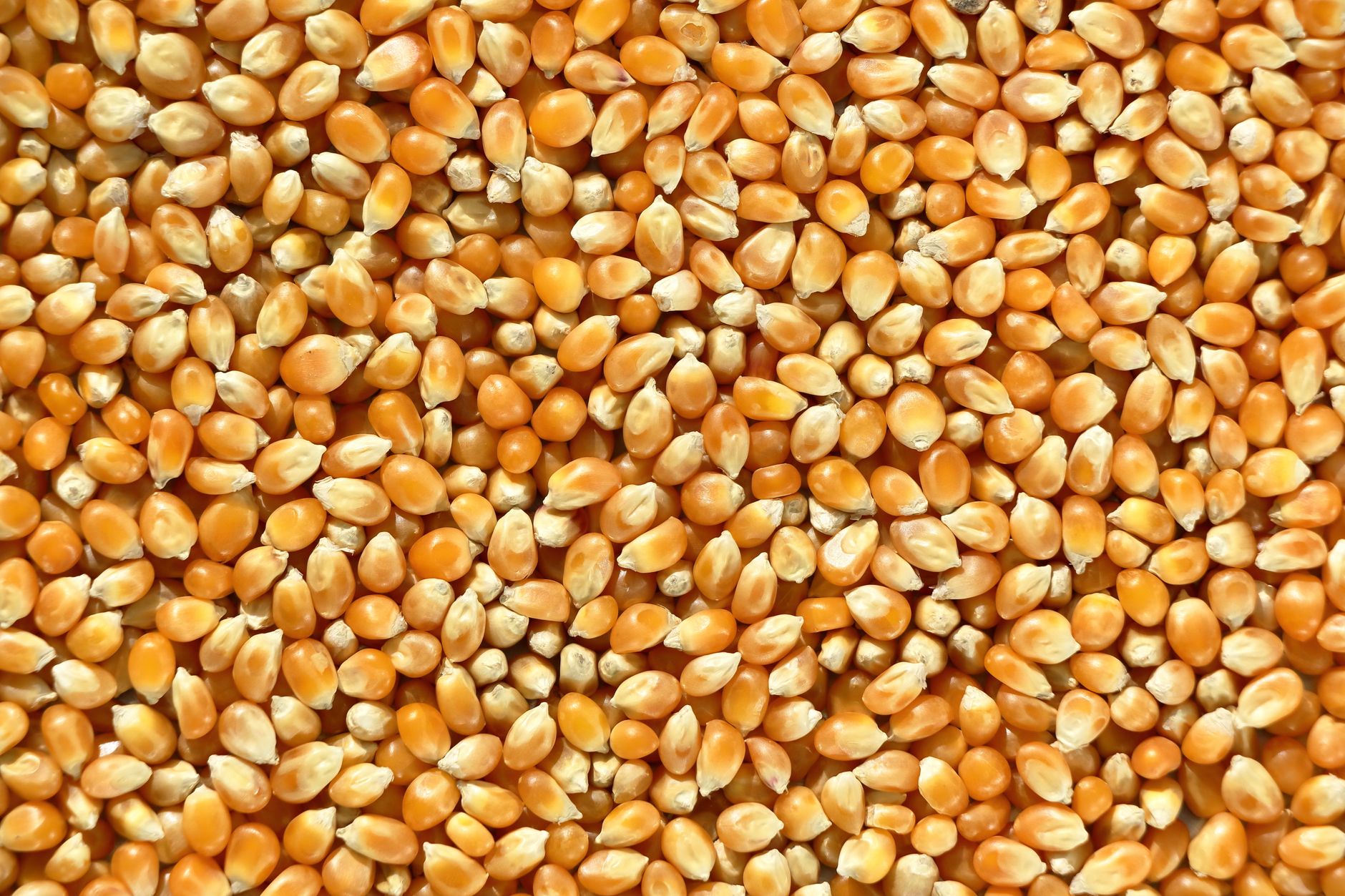
Popcorn comes from a specific type of corn known as Zea mays everta, which is the only kind of corn that pops. This unique variety of corn has a hard outer shell that can withstand heat and moisture, allowing it to explode when heated. This process creates the fluffy, airy snack we enjoy. Popcorn has its roots in ancient civilizations and has been a staple in many cultures around the world.
The History of Popcorn
The history of popcorn dates back over 5,000 years. Archaeological evidence suggests that popcorn was first domesticated by indigenous peoples in what is now Mexico. Popcorn was an integral part of many Native American cultures, who would pop the kernels using various techniques, including tossing them onto hot stones or using heated sand.
Popcorn made its way to the United States in the 19th century, quickly becoming popular in theaters. Its appeal grew with the advent of commercial popcorn machines in the early 1900s, turning it into a favorite snack for moviegoers. Today, popcorn is associated with entertainment and leisure, especially during movie nights and sports events.
Types of Popcorn
There are several types of popcorn, each varying slightly in texture and flavor. The two most common forms of popcorn are:
- Butterfly Popcorn: This type has irregular shapes with many wings and is light and airy. It is often favored for its ability to hold toppings and seasonings well.
- Mushroom Popcorn: This type is round and compact. Because of its sturdiness, it is often used in caramel corn and similar snacks, as it is less prone to breakage.
White vs. Yellow Popcorn
Additionally, there are white and yellow kernels, which have different flavor profiles. White popcorn tends to be slightly milder, while yellow popcorn has a more pronounced corn flavor and typically pops larger.
The Growing Process of Popcorn
Popcorn cultivation requires specific conditions for optimal growth. Here’s an overview of the process:
Soil and Climate Requirements
Popcorn thrives in well-drained soils that are rich in organic matter. It prefers warm weather to grow, typically needing temperatures between 60°F and 95°F. Areas with consistent sunlight and a moderate climate are ideal for popcorn cultivation.
Planting
- Choose a high-quality popcorn seed that is suitable for your climate.
- Prepare the soil by tilling it and adding compost or fertilizer to promote healthy growth.
- Plant the seeds about 1 to 2 inches deep and 6 to 8 inches apart. Rows should be spaced about 30 to 36 inches apart.
Growing Season
As the popcorn plants grow, they develop tall stalks and ears, each containing the precious kernels. It usually takes about 90 to 120 days for popcorn to mature, at which point the kernels are harvested.
Harvesting
- When the husks turn brown and dry, it is time to harvest the popcorn.
- Cut the ears off the stalks and place them in a dry, cool area to allow further drying.
- Once fully dried, the kernels can be removed from the cob by hand or using a specialized machine.
Cooking Popcorn
Cooking popcorn can be done using several methods, and while each technique can yield tasty results, they vary slightly in flavor and texture. Below are the most popular methods:
Stovetop Method
The stovetop method is simple and allows for control over flavoring. Here’s how to do it:
- Equipment Needed: A heavy-bottomed pot with a lid, measuring cups, wooden spoon or spatula, and popcorn kernels.
- Ingredients: 1/2 cup popcorn kernels, 2-3 tablespoons of oil (such as vegetable or coconut), and salt to taste.
- Heat the oil in the pot over medium heat.
- Add 2-3 popcorn kernels to test the oil; once they pop, your oil is ready.
- Add the remaining kernels, cover the pot, and shake it gently to coat the kernels with oil.
- Let the popcorn pop, shaking occasionally until popping slows down.
- Remove from heat, add salt, and enjoy!
Air-Popping Method
This method uses an air popper to produce popcorn without oil, making it a healthier option:
- Equipment Needed: An air popper and measuring cup.
- Ingredients: 1/2 cup popcorn kernels, salt, and optional seasonings.
- Set up the air popper according to the manufacturer’s instructions.
- Pour in the popcorn kernels and turn on the machine.
- Once popping is complete, season with salt and optional toppings.
Microwave Method
Using the microwave is another convenient way to make popcorn:
- Equipment Needed: Microwave-safe bowl and plate.
- Ingredients: 1/2 cup popcorn kernels and optional oil and seasonings.
- Place the popcorn kernels in a microwave-safe bowl and cover with a microwave-safe plate.
- Microwave on high for 2-4 minutes until popping slows to 2 seconds between pops.
- Remove cautiously and season as desired.
Flavoring and Toppings
Popcorn can easily be customized with various seasonings and toppings. Here are some popular options:
- Classic Butter and Salt: Melt butter and drizzle it over your popcorn, followed by a sprinkle of salt.
- Cinnamon Sugar: Mix together cinnamon and sugar to create a sweet topping.
- Cheese Powder: Add cheese powder for a savory kick.
- Herbed Olive Oil: Drizzle popcorn with olive oil infused with garlic or herbs for a gourmet touch.
Common Mistakes to Avoid
- Not using enough oil or not heating it properly can result in unpopped kernels.
- Leaving popcorn unattended can cause it to burn.
- Overcrowding the pot or air popper may lead to uneven popping.
Storage and Shelf Life
To maintain optimal freshness, store unpopped popcorn kernels in a cool, dry place away from sunlight. Once popped, store popcorn in an airtight container at room temperature. Popped popcorn is best consumed within a week for the best texture and flavor.
Health Benefits of Popcorn
Popcorn is a whole grain, which means it retains the bran, endosperm, and germ, making it a good source of dietary fiber and antioxidants. It is naturally low in calories and can be a nutritious snack when not overly buttered or salted. However, portion control and thoughtful toppings are crucial for a balanced dietary approach.
Choosing Quality Popcorn
When looking for popcorn, consider the following factors to ensure quality:
- Kernel Quality: Opt for organic or high-quality kernels to ensure a better popping experience.
- Expiration Date: Always check the expiration date on the packaging; older kernels may not pop as well.
- Storage Conditions: Select popcorn from well-stocked shelves where it has been kept in appropriate conditions.
The Global Love for Popcorn
Popcorn is not just popular in North America; it has a global following. Different cultures have unique methods of preparation and seasoning. In Mexico, street vendors often serve it topped with chili powder and lime juice. In India, masala popcorn is enjoyed with spices like turmeric and cumin.
Popcorn as a Cultural Icon
This snack holds a cultural significance in various communities, often served during festivals, movie nights, and family gatherings. Its ability to accommodate a variety of flavors makes it adaptable to virtually any cuisine.
Conclusion
Understanding where popcorn comes from enhances our enjoyment of this delightful snack. From its agricultural roots to the various methods of preparation and seasoning, popcorn has a rich history and continues to be a popular choice for snacks worldwide. Now that you are more educated about popcorn, why not try making it at home with your favorite toppings?
For more insights, check out how popcorn is made or learn if chickens can eat popcorn. Each resource will provide further practical information about this beloved snack.