
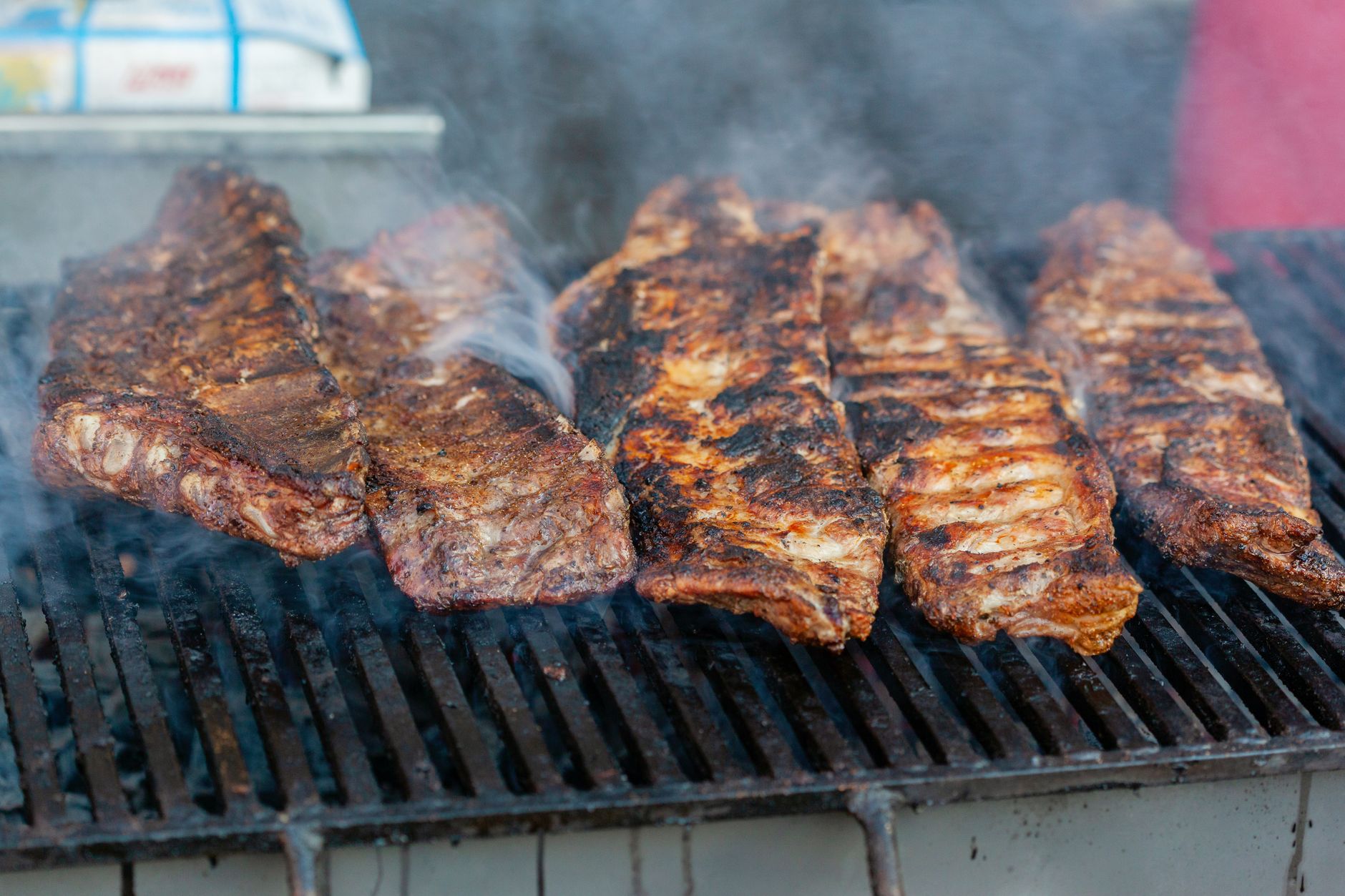
Smoking beef ribs is a wonderful way to infuse rich flavor and tenderness into this cut of meat. Properly smoked ribs develop a delicious bark, juicy interior, and mouthwatering taste that can turn any gathering into a feast. However, determining the correct smoke time is essential to achieving optimal results.
This guide will provide all the information needed to understand how long to smoke beef ribs, including key factors that influence cooking time, detailed steps for preparation, and tips for achieving perfect results.
How Long To Smoke Beef Ribs?
The duration for smoking beef ribs generally ranges from 4 to 6 hours at a steady temperature of 225°F to 250°F (107°C to 121°C). However, several factors can influence this time frame, including the thickness of the ribs, the specific cut, and the smoking technique employed.
Understanding Beef Ribs
Beef ribs come in different cuts, primarily plate ribs and chuck ribs. Plate ribs, often referred to as “short ribs,” are known for their tenderness and marbling. Chuck ribs are less tender but are still flavorful if prepared properly. Knowing which type of beef ribs you’re working with is essential for determining how long to smoke them.
Types of Beef Ribs
- Beef Short Ribs: These ribs are rich and meaty, ideal for smoking due to their high-fat content.
- Beef Back Ribs: These ribs have less meat but still offer great flavor, often more from the fat present.
- Chuck Ribs: Generally tougher, these require longer cooking times but yield delicious results when smoked low and slow.
Factors Affecting Cooking Time
When determining how long to smoke beef ribs, several factors come into play:
1. Rib Thickness
Thicker cuts take longer to cook than thinner ones. Measure the thickness of the rib using a meat thermometer or ruler to guide your timing.
2. Smoking Temperature
Smoking at lower temperatures (around 225°F) will result in longer cook times but can yield tender ribs with a melting texture. Higher temperatures (around 250°F) will cook the ribs faster but may require careful monitoring to prevent drying.
3. Type of Smoker
The type of smoker can also affect cooking time. Different smokers have varied heat retention and distribution capabilities. A pellet smoker might cook differently than a charcoal smoker, impacting overall duration.
Essential Equipment for Smoking Beef Ribs
- Smoker: A charcoal, electric, or pellet smoker will all work efficiently.
- Meat Thermometer: An instant-read thermometer is crucial for checking internal temperatures.
- Wood Chips or Chunks: Use hickory, oak, or mesquite for deep smoky flavors.
- Aluminum Foil: For wrapping ribs partway through cooking to lock in moisture.
- Spray Bottle: Filled with apple juice or a mix of apple cider vinegar and water to keep ribs moist.
Step-by-Step Guide to Smoking Beef Ribs
Here’s a comprehensive guide for smoking beef ribs successfully:
- Preparation: Start with high-quality beef ribs. Trim excess fat to about 1/4 inch, as it will render during cooking.
- Seasoning: Apply a dry rub consisting of salt, pepper, garlic powder, and paprika. Allow ribs to rest for at least an hour or overnight in the refrigerator for optimal flavor.
- Preheat Your Smoker: Preheat your smoker to 225°F to 250°F. Ensure it reaches this temperature before placing the ribs inside.
- Add Wood Chips: When the smoker is ready, add your choice of wood chips or chunks to create smoke. Soak the chips in water for about 30 minutes before using for a slower release of smoke.
- Place Ribs in Smoker: Position the beef ribs with the bone side down. Ensure there’s space around the ribs for smoke to circulate effectively.
- Monitor Temperature: Insert a meat thermometer into the thickest part of the rib. Smoking should continue until the internal temperature reaches about 195°F to 203°F, which can take approximately 4 to 6 hours.
- Moisture Maintenance: Every hour, spray the ribs with apple juice or your vinegar mix to keep them moist. This helps enhance the flavor and tenderness.
- Wrap (Optional): At about the halfway point (around 3 hours), consider wrapping the ribs in foil to help retain moisture and speed up cooking.
- Check for Doneness: Ribs are done when they have reached the desired temperature and the meat pulls back from the bones. A good test is to lift the ribs with tongs; if they bend and begin to crack, they are likely done.
- Resting: Once the ribs reach the right temperature, remove them from the smoker and let them rest for about 15 to 30 minutes before slicing. This helps redistribute juices throughout the meat.
Serving Suggestions
Smoking beef ribs creates a product that is not only flavorful but also visually appealing. Serve them with:
- Barbecue Sauce: A good barbecue sauce can enhance the ribs’ flavors, but consider serving it on the side.
- Coleslaw: The crunchy texture and brightness of coleslaw provide balance to the richness of the ribs.
- Bread: Soft bread or buns can accompany ribs, particularly if they are shredded.
- Cooked Vegetables: Grilled corn or smoked potatoes complement the flavors of smoked meat beautifully.
Common Mistakes and Troubleshooting
When smoking beef ribs, a few common mistakes can lead to less-than-ideal dishes:
1. Insufficient Cooking Time
Rushing the cooking process can result in tough meat. Always prioritize a tender internal texture.
2. Wrong Internal Temperature
Not using a meat thermometer can lead to undercooked or overcooked ribs. Always check the internal temperature.
3. Not Resting the Meat
Serving immediately can lead to loss of juices. 15 to 30 minutes of resting is critical for juicy ribs.
Storing and Reheating Beef Ribs
If you have any leftovers, proper storage is important for maintaining flavor and texture:
Storage
Wrap the ribs tightly in aluminum foil or place them in an airtight container. They can be refrigerated for up to four days or frozen for up to three months.
Reheating
When reheating, place ribs in a preheated oven set at 250°F (121°C). Cover with foil to prevent drying out and heat until warmed through, usually about 20-30 minutes.
Variations and Substitutions
Depending on personal taste, you can make several variations to the smoking process:
- Rub Variations: Feel free to experiment with different spices like cumin, chili powder, or brown sugar to create your unique rub.
- Wood Type: Substitute different woods (like cherry or apple) for varied flavors. Each type contributes distinct tasting notes.
- Glaze: In the final hour of cooking, try brushing on a glaze made from barbecue sauce mixed with honey or mustard for sweetness.
Conclusion
Smoking beef ribs is a rewarding process that can yield delicious results. With the right timing and techniques, you can enjoy tender, flavorful ribs perfect for any occasion. Remember to monitor the internal temperature and allow time for resting to achieve the best possible outcome.
For more flavorful ideas, consider exploring smoked beef ribs recipes or easy slow cooker ribs recipes for variations that suit different preferences and schedules.