
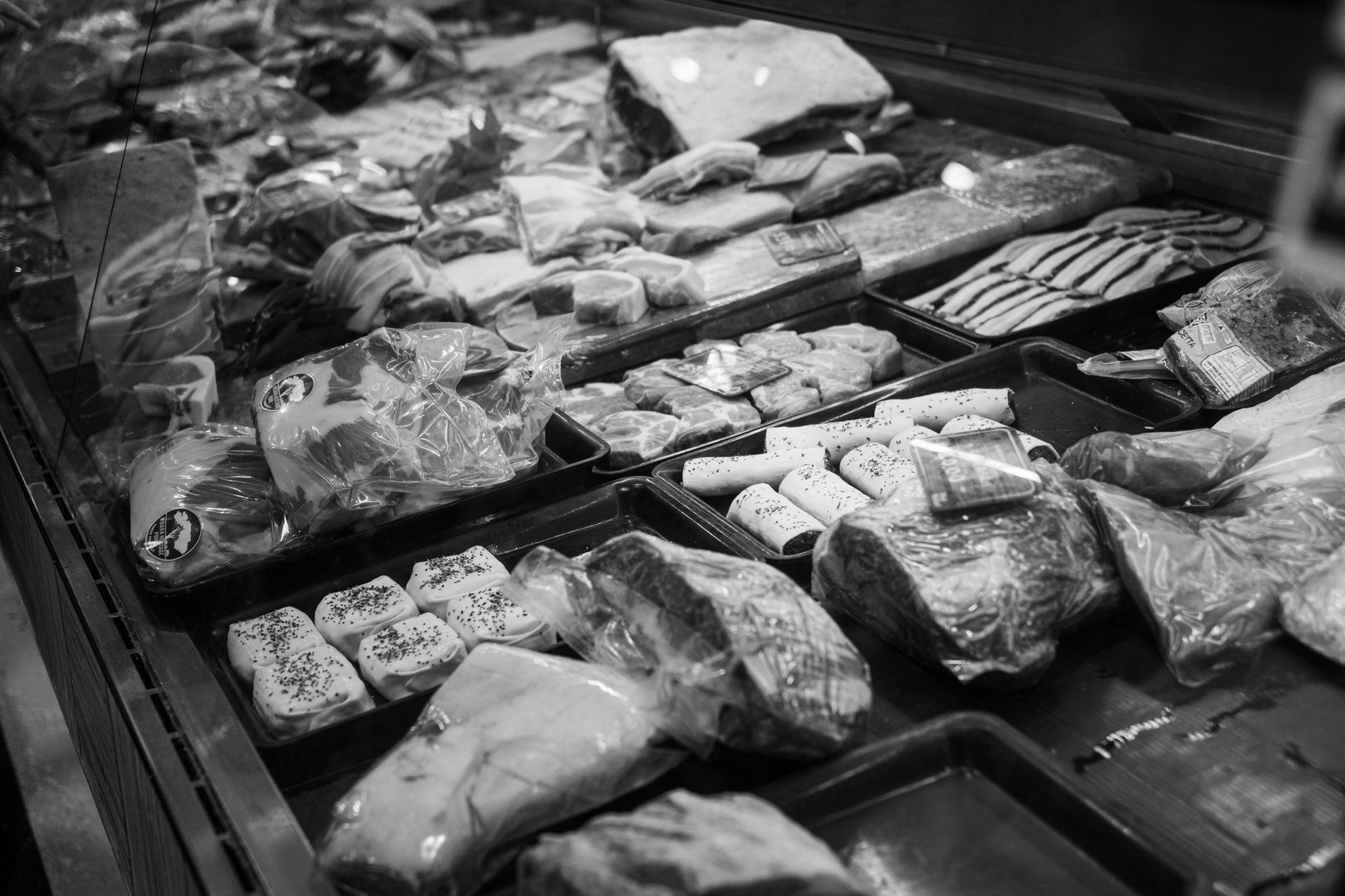
Freezing meat is an excellent way to extend its shelf life while maintaining its quality and nutritional value. However, not all meats can be frozen for the same duration without compromising their taste and texture. Understanding the timelines for freezing various types of meat is essential for effective meal planning and food safety.
This comprehensive guide will explore how long different types of meat can be stored in the freezer, tips for freezing effectively, and important food safety considerations to ensure you enjoy your frozen meat at its best.
How Long Can You Freeze Meat?
The duration you can freeze meat depends on the type of meat and its preparation method. Generally, most meats maintain their best quality when frozen for specific timeframes, typically anywhere from 4 months to 1 year. However, they can remain safe to eat indefinitely if stored properly. Here’s a breakdown of freezing times for various kinds of meat.
Freezing Times for Different Types of Meat
Beef
Beef is versatile and can be frozen in various cuts, such as steaks, roasts, and ground beef. Here’s a guideline for freezing beef:
- Steaks: 6 to 12 months
- Roasts: 4 to 12 months
- Ground beef: 3 to 4 months
When freezing beef, ensure it’s wrapped tightly in plastic wrap, foil, or freezer-specific bags to prevent freezer burn.
Pork
Pork can also be frozen in various forms, including chops, roasts, and ground pork. The recommended freezing times include:
- Pork chops: 4 to 6 months
- Pork roasts: 4 to 12 months
- Ground pork: 3 to 4 months
As with beef, proper wrapping is crucial to preserve the quality of frozen pork.
Poultry
Poultry, particularly chicken and turkey, has specific guidelines to consider when freezing. The freezing times for poultry are as follows:
- Whole chicken or turkey: 1 year
- Chicken or turkey parts: 9 months
- Ground poultry: 3 to 4 months
Ensure poultry is properly cleaned and dried before wrapping for freezing. This helps to reduce moisture buildup and potential freezer burn.
Lamb
Lamb can be delicious but requires careful time management when freezing. Here are the guidelines for lamb:
- Lamb chops: 6 to 9 months
- Lamb roasts: 6 to 12 months
Keep in mind that lamb may have a stronger flavor if stored for an extended period, so it’s typically better consumed sooner rather than later.
Game Meats
Game meats, such as venison, elk, or bison, generally have similar freezing times:
- Whole cuts: 6 to 12 months
- Ground game meat: 3 to 4 months
Ensure game meats are handled properly before freezing to maintain their flavor and texture.
Best Practices for Freezing Meat
To get the most out of your frozen meat, follow these best practices for freezing:
1. Use Proper Packaging
Wrap meats tightly in freezer paper, plastic wrap, or vacuum-sealed bags. Proper packaging prevents air from entering, reducing the risk of freezer burn and preserving quality.
2. Label and Date Your Packages
Always label your meat with the type and date of freezing. This will help you track how long it’s been in the freezer and use older items first.
3. Freeze Meat Quickly
Place meat in the coldest part of the freezer to freeze it quickly. A rapid freeze helps maintain texture and flavor by preventing the formation of large ice crystals.
4. Avoid Refreezing Thawed Meat
Once meat is thawed, avoid refreezing unless it has been cooked. Refreezing can affect the texture and safety of the meat.
5. Use Freezer-Safe Containers
While plastic wrap and freezer paper are effective, using freezer-safe containers can also be a smart choice for certain types of meat. Ensure tightly sealed lids to maintain quality.
6. Maintain a Consistent Freezer Temperature
Keep your freezer at 0°F (-18°C) or lower to ensure meat remains frozen without degradation of quality.
Thawing Frozen Meat Safely
How you thaw frozen meat is as important as how you freeze it. Here are the safest methods:
1. Refrigerator Thawing
The best method for thawing meat is in the refrigerator. This method allows meat to defrost safely at a controlled temperature:
- Plan ahead, as small cuts may take a day, while large cuts may take a few days to thaw.
2. Cold Water Thawing
If you need to thaw meat quickly, use the cold water method:
- Place the meat in a leak-proof bag to prevent water from entering.
- Submerge the bag in cold water, changing the water every 30 minutes.
- This method can take from 1 hour for small cuts to several hours for larger quantities.
3. Microwave Thawing
The microwave can be used for quickest thawing but requires immediate cooking afterward. Follow your microwave’s instructions for defrosting.
Cooking Frozen Meat
Cooking frozen meat is possible but may require adjustments. For the best results:
1. Cook Without Thawing
Most cuts of meat can be cooked directly from frozen, but remember:
- Cooking time will be about 1.5 times longer than if the meat was thawed.
- Sealing both the heat and moisture in will help with texture.
2. Use a Meat Thermometer
An essential tool when cooking meat is a meat thermometer. This ensures that meat reaches a safe internal temperature:
- Poultry: 165°F (74°C)
- Ground meats: 160°F (71°C)
- Beef, pork, lamb (steaks, chops, roasts): 145°F (63°C) with a 3-minute rest time.
3. Slow Cooking Frozen Meat
Using a slow cooker with frozen meat isn’t recommended for safety precautions as it may not reach the necessary temperature fast enough.
Food Safety Considerations
Ensuring food safety is paramount when handling, freezing, and thawing meat. Here are some key points to remember:
1. Cross-Contamination
When storing meat in the freezer, avoid cross-contamination by keeping raw meat separate from other foods. Use designated containers for raw and cooked meats.
2. Monitor for Freezer Burn
Freezer burn can occur when meat is exposed to air. It leads to dry patches and can alter the flavor, but the meat is still safe to eat. If freezer burn is present, trim off the affected areas before cooking.
Common Mistakes to Avoid When Freezing Meat
Avoid these common pitfalls to ensure the best quality and safety of your frozen meat:
1. Not Wrapping Meat Properly
Failing to seal meat well can lead to freezer burn. It’s essential to use airtight materials.
2. Not Knowing the Freezing Times
Freezing meat for too long affects both quality and flavor. Always consult guidelines, and use older meat first.
3. Thawing Meat on the Counter
Leaving meat out at room temperature can lead to unsafe bacterial growth. Always utilize one of the approved thawing methods.
When to Discard Frozen Meat
Even when meat is safe to eat technically, factors might lead you to discard it. These include:
1. Off Odor or Appearance
If the meat has developed an off smell, color, or slimy texture, it’s best to err on the side of caution and discard it.
2. Extended Freezing Periods
If meat is past its suggested freezing timeline, the quality may have declined significantly, making it less enjoyable to eat.
3. Signs of Freezer Burn
While freezer-burned meat is safe to eat, if the meat is significantly compromised in quality, you may prefer to discard it for a better tasting meal.
Understanding how long you can freeze different meats, combined with best practices to preserve quality, ensures that your frozen items are safe and enjoyable whenever you’re ready to use them. Remember, the key to maximizing the shelf life of frozen meat is appropriate wrapping, labeling, and adhering to safety practices.
For more useful tips on food storage and meat handling, consider exploring how long you can freeze cooked chicken or learning about the shelf life of ground beef in the fridge.