
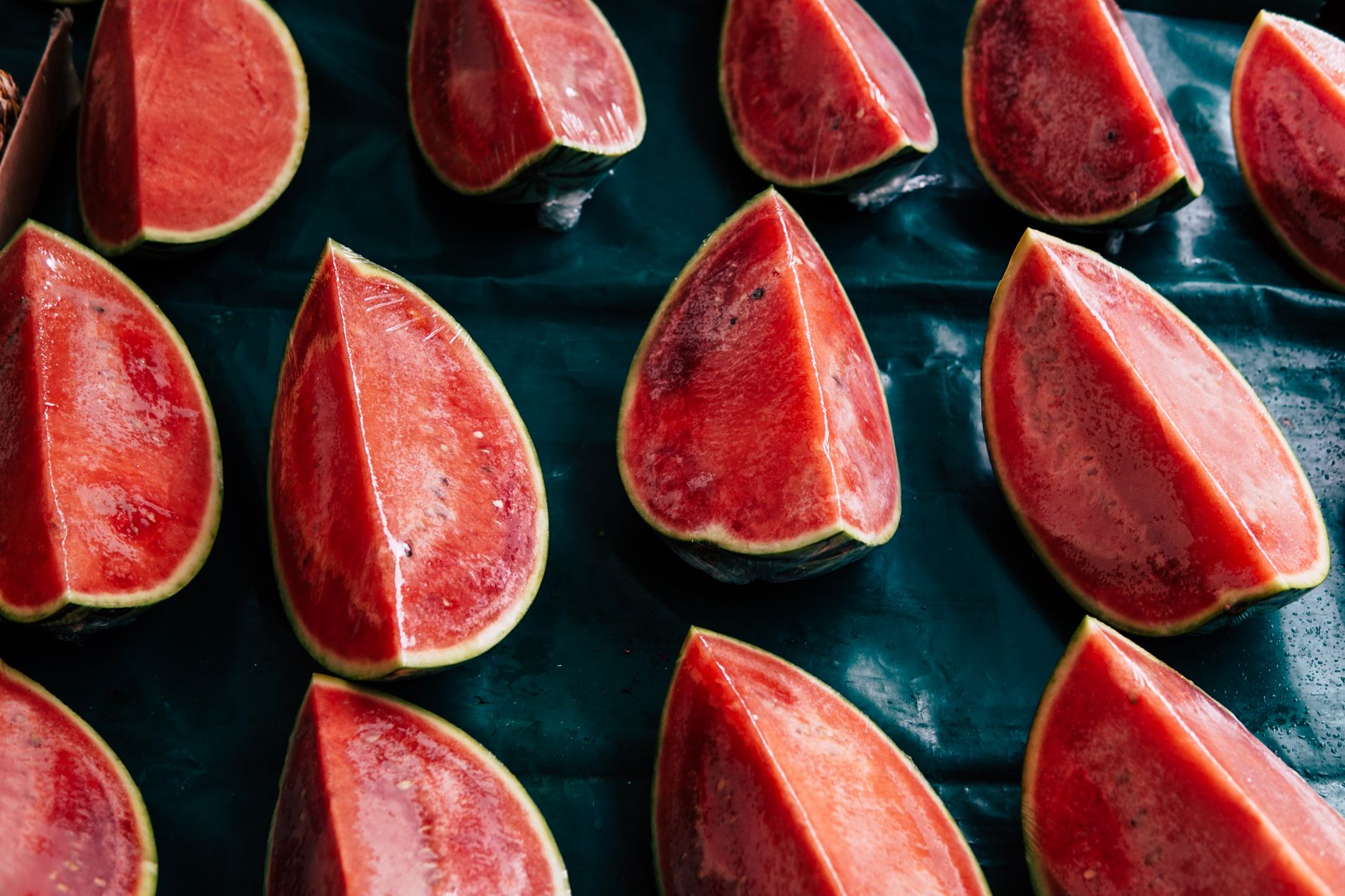
Watermelon, a refreshing and hydrating fruit, is a summer staple in many cultures. Its sweet, juicy flavor and vibrant color make it a popular choice for snacks, salads, and desserts. But have you ever wondered where this beloved fruit originated and how it became a global culinary icon? This article delves into the history, origins, and evolution of watermelon, exploring its journey from ancient lands to modern tables.
Understanding the origins of watermelon not only satisfies curiosity but also enhances appreciation for this delectable fruit. We will cover its historical background, cultivation, and varieties, as well as its cultural significance and culinary uses throughout the ages. Let’s dive into the fascinating story of watermelon.
Where Did Watermelon Originate?
Watermelon is believed to have originated in southern Africa, specifically in the Kalahari Desert region, over 5,000 years ago. This fruit thrived in arid conditions, making it a natural choice for early civilizations. As it spread through trade routes, watermelon found its way to various parts of the world, evolving in both cultivation practices and varieties along the journey.
Historical Background
Watermelon has a rich history that dates back to ancient civilizations. The earliest evidence of watermelon cultivation has been found in Egypt, where it was depicted in hieroglyphics dating back to around 2000 BC. These ancient Egyptians revered watermelon not only as a food source but also for its hydrating properties in their hot climate.
In the tombs of pharaohs, archaeologists discovered watermelon seeds alongside other provisions for the afterlife. This practice demonstrated the significance of watermelon in their diet, as well as its role in cultural rituals. The Egyptians grew watermelons in a variety of shapes and sizes, which highlights early agricultural achievements.
From Egypt, watermelon spread to other regions, including the Mediterranean, where it became a staple food in many countries. By the time it reached Europe in the 10th century, watermelon had been cultivated for centuries and had already adapted to various climates and preferences.
Watermelon in Ancient Cultures
As watermelon migrated through trade routes, it became integrated into the diets of various cultures. In China, for example, evidence suggests that watermelon was cultivated by the 10th century. The Chinese appreciated the fruit for its sweet flavor and ability to quench thirst, making it an essential part of their summertime cuisine.
The Greeks and Romans also embraced watermelon, often consuming it fresh or pickled. It was during this period that variety selection began to take shape, with both individuals and farmers choosing seeds based on desirable traits such as sweetness, size, and skin color.
Regional Variations and Cultivation
As watermelon spread globally, its cultivation adapted to different climates and conditions. In North America, watermelon was introduced in the early 17th century by European colonists. The fruit quickly became popular among Native American populations, who valued its refreshing taste and hydrating qualities.
Today, several varieties of watermelon exist worldwide, each with unique characteristics. The most common include:
- Seedless Watermelon: This modern variety is popular due to its convenience and sweetness.
- Icebox Watermelon: Smaller in size, it is perfect for refrigeration and personal snacking.
- Picnic Watermelon: Larger and ideal for sharing at gatherings.
- Yellow Watermelon: Featuring a vibrant yellow flesh, it offers a sweeter taste profile.
- Snack Watermelon: An even smaller variety that is easy to eat on the go.
Cultural Significance
Watermelon’s journey through cultures highlights its significance across different societies. For many, it symbolizes hospitality and enjoyment. In the U.S., watermelon is a traditional part of summer barbecues and picnics, often served alongside fried chicken, burgers, and salads.
In various parts of Africa, watermelon is a symbol of fertility and prosperity, frequently used in cultural ceremonies and celebrations. Its association with good fortune is reflected in the colorful festivals celebrating its harvest.
Watermelon in Global Cuisines
The versatility of watermelon makes it a favorite ingredient in culinary applications worldwide. From refreshing salads to desserts and beverages, its uses are limited only by the imagination. Here are some notable examples:
- Cubed Watermelon Salad: Diced watermelon mixed with feta cheese, mint, and a drizzle of balsamic glaze creates a savory and sweet salad.
- Watermelon Juice: A popular refreshing drink, watermelon juice can be served plain or as a base for smoothies and cocktails.
- Watermelon Rind Pickles: In some cultures, the white part of the watermelon is preserved in sugar or brine to create a unique side dish.
- Grilled Watermelon: Slices of watermelon can be grilled to enhance their flavor, often served as a side or dessert topped with ice cream.
Modern Watermelon Cultivation
Today, watermelon is grown in over 90 countries worldwide. The top producers include China, India, Turkey, and the United States, with the U.S. leading in terms of consumption. With advancements in agricultural technology, watermelon cultivation has become more efficient, allowing farmers to produce higher yields with fewer resources.
Watermelons thrive in warm climates and require plenty of sunlight and water for optimal growth. Farmers utilize various methods, including organic practices, to grow watermelon while minimizing their environmental impact. The recent emphasis on sustainable agricultural practices has also led to a renewed interest in heirloom and local watermelon varieties.
Watermelon Preservation and Storage
To enjoy the sweet taste of watermelon, proper storage is essential. Whole watermelons can last for a week at room temperature, but once cut, they should be stored in the refrigerator. Here are some expert tips:
- Wrap cut watermelon pieces tightly in plastic wrap to prevent the flesh from drying out.
- Store cut watermelon in an airtight container for up to five days for the best flavor and texture.
- For longer preservation, consider freezing watermelon pieces. They can be blanched briefly before freezing to maintain color and flavor.
This Just In: Can You Freeze Watermelon?
Yes, you can freeze watermelon! However, keep in mind that the texture will change once thawed. Frozen watermelon is best used in smoothies, cocktails, and fruit salads rather than eaten fresh. For storage tips on freezing, refer to the extensive guidelines available.
Fun Facts about Watermelon
Watermelon is not only delicious; it also boasts some intriguing qualities:
- Watermelon is composed of about 92% water, making it one of the most hydrating fruits.
- The largest watermelon ever recorded weighed over 350 pounds!
- In addition to the flesh, watermelon seeds are edible and nutritious, often roasted and enjoyed as a snack.
- The fruit is classified as both a fruit and a vegetable since it belongs to the gourd family, along with cucumbers and pumpkins.
Conclusion
Watermelon has a captivating history that stretches back thousands of years, originating in Africa before spreading worldwide. Its evolution from ancient civilizations to modern culinary uses illustrates its enduring popularity. Whether enjoyed in a summer salad, blended into juice, or simply sliced and chilled, watermelon continues to bring joy and refreshment to our lives.
Next time you bite into a juicy slice, consider the incredible journey this fruit has undertaken. Explore the possibilities with watermelon in your kitchen, and why not try making watermelon salad or a refreshing drink?
For more practical tips on preserving this delightful fruit, check out our guide on can you freeze watermelon, or learn about flavor pairings in our article for excellent substitutes in cooking, such as rosemary.