
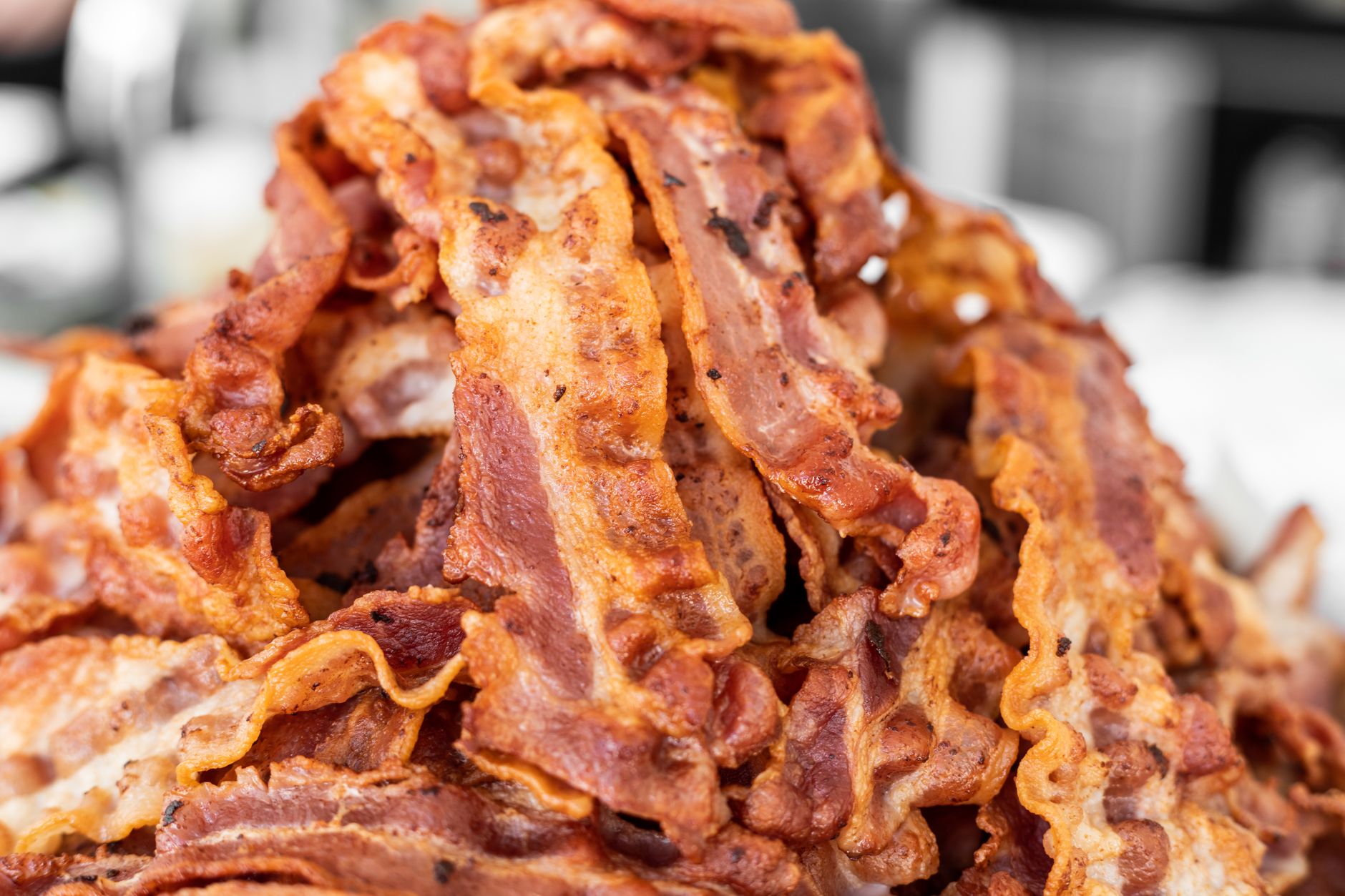
Bacon is a beloved food worldwide, known for its rich, smoky flavor and crispy texture. But how many calories are typically found in bacon? Understanding its caloric content is important for those looking to maintain a balanced diet or figure out their meal plans. In this article, we will dive into the caloric details of bacon, discuss portion sizes, nutritional values, and provide practical insights.
From classic breakfast dishes to unique culinary creations, bacon can be an intriguing ingredient. Its tasteful versatility makes it a popular item in many cuisines. Let’s explore the calorie content in various types of bacon and learn how to incorporate it thoughtfully into meals.
How Many Calories Is Bacon?
The calorie content in bacon varies depending on the type and thickness of the cut. On average, a single slice of cooked bacon contains around 42 calories. This number changes with various factors, including cooking method and variety.
Understanding Different Types of Bacon
Bacon isn’t just a one-size-fits-all food. There are several types of bacon, each with distinct flavor profiles and calorie counts. The three most common types include:
- Regular Bacon: This is the traditional cured pork belly bacon. A slice typically has around 42 calories.
- Turkey Bacon: A leaner alternative made from turkey, often used as a substitute for those who want to reduce fat intake. A slice usually contains around 30 calories.
- Pancetta: This is Italian bacon made from pork belly, which is unsmoked and has about 50 calories per slice.
Portion Sizes and Caloric Content
When considering calorie intake from bacon, portion size is crucial. Here’s a breakdown of calorie content based on various servings:
| Serving Size | Regular Bacon (Calories) | Turkey Bacon (Calories) | Pancetta (Calories) |
|---|---|---|---|
| 1 slice | 42 | 30 | 50 |
| 2 slices | 84 | 60 | 100 |
| 3 slices | 126 | 90 | 150 |
| 4 slices | 168 | 120 | 200 |
Nutritional Benefits of Bacon
While bacon is often viewed as a guilty pleasure due to its calorie content and higher fat levels, it does have its benefits:
- Protein Source: Bacon provides a good source of protein, with approximately 3 grams of protein per slice.
- Vitamins: It contains essential vitamins such as B12, which is important for red blood cell formation.
- Minerals: Bacon is a source of minerals like selenium and phosphorus, which are beneficial for overall health.
Cooking Methods and Their Impact on Calories
The way that bacon is cooked can significantly influence its calorie content. Different methods can cause varying amounts of fat to render out, which affects the ultimate caloric value. Here are the most common cooking methods:
- Pan-Frying: This is the traditional method and typically leads to bacon retaining a higher fat content, thus keeping calories close to the average for regular bacon.
- Oven-Baking: When bacon is baked in the oven, it allows for more fat to drip away, which can reduce calories per slice.
- Microwaving: This method can also lessen fat retention, though the crispiness may be reduced.
How to Cook Bacon with Lesser Calories
Here are some tips to cook bacon in a way that may help to lower the calorie count:
- Try using a bacon rack on top of a baking sheet to allow the grease to drip away during baking.
- Using a microwave can reduce fat retention while still producing crispy bacon.
- Consider turkey bacon or center-cut bacon, which generally has less fat than traditional options.
Using Bacon in Meals
Bacon’s unique flavor makes it a favorite addition to many dishes. Here are some ideas to incorporate bacon without overloading on calories:
- In Breakfasts: Bacon pairs deliciously with eggs or in an omelet, but pairing it with vegetables can enhance flavor and nutrition.
- In Salads: Crumbled bacon on a salad can add crunch and taste. Use sparingly for a calorie-friendly option.
- In Sandwiches: Adding a single slice can elevate a classic sandwich without going overboard on calories.
Healthy Bacon Alternatives and Substitutions
If you’re looking to cut down on calories or change up your meals, there are some healthier bacon alternatives:
- Tempeh or Tofu Bacon: These plant-based alternatives can offer a crispy texture lacking in animal fat.
- Mushroom Bacon: Using thinly sliced and cooked mushrooms can provide a savory flavor reminiscent of bacon.
- Pork Loin Bacon: This is less fatty, providing a similar taste with reduced calories.
Substitution Ratios
When considering substitutes, the flavor and texture will shift. However, you can substitute as follows:
- For every 2 strips of bacon, use approximately 1 cup of sautéed mushrooms or 1 cup of crispy tempeh to maintain flavor.
- For turkey bacon, replace with a 1:1 ratio with regular bacon unless additional fat is needed in a recipe.
Common Mistakes When Cooking Bacon
Cooking bacon might seem straightforward, but a few common pitfalls can lead to undesired results:
- Cooking on High Heat: This can lead to burnt bacon instead of crispy perfection. Cook on medium heat for consistent results.
- Using Nonstick Spray: Bacon contains enough fat that added oil can make it too greasy.
- Not Saving the Drippings: Bacon fat can add flavor to many dishes. Strain and store for future use, if desired.
Storage and Reheating Tips for Bacon
Properly storing and reheating bacon is essential to maintain both flavor and safety:
Storage
Bacon can be stored in the fridge or freezer:
- In the fridge, sealed bacon packages can last up to a week.
- Cooked bacon can be kept in the fridge for up to five days.
- Bacon can be frozen, either raw or cooked, for up to six months when well-wrapped.
Reheating
When reheating bacon, consider these methods:
- Microwave: Place bacon between paper towels to absorb moisture, reheating for 10-30 seconds.
- Oven: Preheat to 350°F and heat for about 5 minutes to regain crispiness.
- Skillet: Reheat on medium-low heat until warmed through for that extra crunch.
Meal Planning with Bacon
Integrating bacon into your meal planning can be both pleasurable and practical. Here are some strategic ways to include it:
- Batch Cooking: Prepare several pieces of cooked bacon at once to use throughout the week.
- Versatile Recipes: Consider recipes that utilize bacon in multiple ways (e.g., pasta, breakfast, or salads).
- Balancing Meals: Pair bacon with healthy fibers, such as vegetables or whole grains, to achieve a balanced plate.
Conclusion
Bacon can be a delicious component of a balanced diet when consumed in moderation. By understanding how many calories are in bacon, the portion sizes, and using mindful cooking techniques, you can enjoy its flavor without compromising your nutritional goals. Whether you incorporate it into meals as a central ingredient or a flavor enhancer, knowledge about its caloric content leads to better meal planning.
Explore related recipes and cooking tips to further your culinary journey. Check out how many calories in 2 scrambled eggs, or try our delicious candied bacon recipe for your next snack or breakfast delight.