
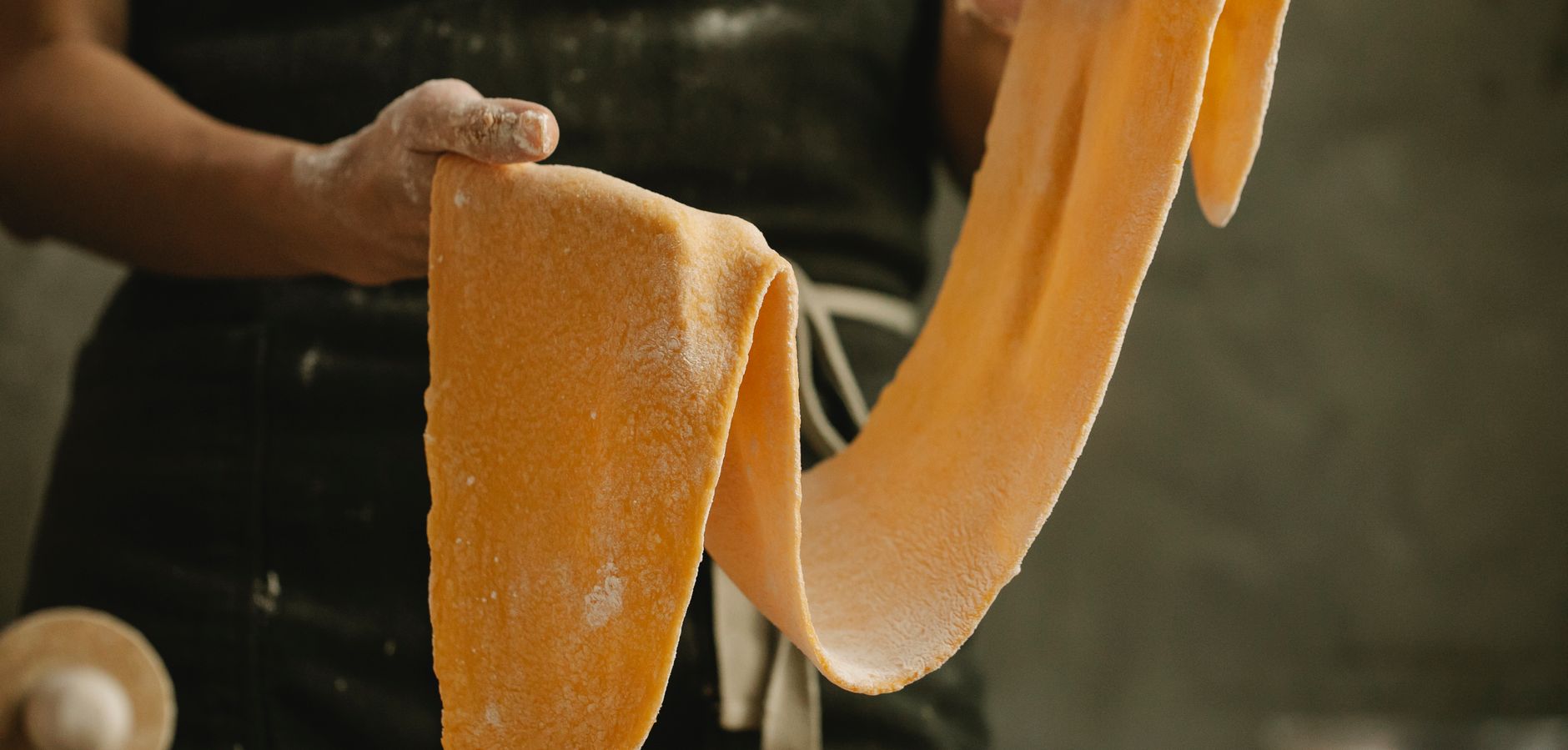
Pasta, a beloved staple in cuisines worldwide, has a rich history that has intrigued food enthusiasts and historians alike. Its origin is often debated, with various cultures and regions claiming its invention. Understanding where pasta originated helps deepen our appreciation for this dish cherished in many households.
From ancient civilizations to modern culinary practices, learning about pasta’s roots can enhance our cooking techniques and ingredient choices. This article will explore the various theories regarding pasta’s origin, its cultural significance, and how it transformed into the diverse dish we enjoy today.
Where Did Pasta Originate?
Pasta is believed to have originated in ancient China or Italy, with conflicting narratives surrounding its first incarnation. While historical evidence points to a multitude of early pasta-like dishes across various cultures, it is Italy that ultimately shaped pasta into the various forms we recognize today.
Theories of Pasta’s Origin
Ancient Chinese Roots
One of the oldest theories suggests that pasta originated in China around 5000 B.C. Archaeological findings revealed evidence of noodles made from millet and wheat. These early forms of pasta were reportedly quite different from what we know as pasta today, but they share a significant relation to the broader category of noodle dishes.
Italian Influence
While the Chinese are credited with some of the earliest noodle-like dishes, the Italian iteration of pasta emerged prominently in the 8th century A.D. Historical records indicate the introduction of durum wheat to Italy, leading to the production of pasta that was dried and could be stored for long periods. The advantage of this preservation method allowed pasta to become a dietary staple for many.
Arab Contributions
Another critical piece of the puzzle is the Arab influence in the Mediterranean region. When the Moors conquered parts of Italy, they brought new agricultural practices and ingredients, including a passion for pasta. This cross-cultural interaction helped popularize pasta in various regions of Italy, particularly in Sicily.
Cultural Perspectives on Pasta
Pasta has evolved into a dish embraced by many cultures, each adding unique dimensions to its preparation and consumption. It serves as a medium for expressing regional identity and celebrating culinary creativity.
Regional Variations Within Italy
Italy is home to numerous pasta shapes and preparations, reflecting the diversity of its regions. For example, the northern regions often favor filled pastas, such as ravioli and tortellini, which are made from softer wheat, whereas the southern regions emphasize longer shapes, like spaghetti and bucatini, using durum wheat that withstands cooking better.
Global Popularity
As pasta spread beyond Italy, different cultures adapted the dish to their culinary traditions. In the United States, for instance, pasta has taken on a prominent role in comfort foods, with dishes like mac and cheese and spaghetti and meatballs becoming household favorites. These adaptations showcase how pasta can bridge cultural divides, becoming a beloved fixture in both traditional and contemporary cooking.
How Pasta Is Made
The traditional process of pasta-making is an art form rooted in history. Here’s an overview of the primary ingredients and steps involved in crafting pasta.
Essential Ingredients
- Durum wheat or all-purpose flour for the dough
- Eggs (for egg pasta varieties)
- Water
- Salt
Step-by-Step Process
- Mix the Ingredients: Combine flour and salt in a bowl. Create a well in the center and add eggs (if using). Gradually incorporate the flour with a fork.
- Knead the Dough: Transfer the mixture to a clean surface and knead for approximately 10 minutes until the dough becomes smooth and elastic.
- Rest the Dough: Wrap the kneaded dough in plastic wrap and let it rest for at least 30 minutes. This allows the gluten to relax, making it easier to roll out.
- Roll the Dough: Divide the dough into portions. Using a pasta machine or a rolling pin, roll out the dough to desired thickness.
- Cut into Shapes: Depending on the pasta type you want, cut the dough into desired shapes, whether tagliatelle, fettuccine, or sheets for lasagna.
- Dry the Pasta: Dry the fresh pasta on a rack or dusted with flour for about 30 minutes before cooking.
Common Mistakes When Making Pasta
While making pasta at home can be rewarding, it is easy to run into some common pitfalls. Here are a few mistakes to watch out for:
- Not Kneading Enough: Insufficient kneading can lead to a dough that is too crumbly or difficult to stretch.
- Skipping the Rest Period: Neglecting the resting stage can result in tough pasta that is hard to work with.
- Overcooking the Pasta: Fresh pasta cooks much faster than dried pasta and should be monitored closely.
Popular Pasta Shapes and Their Uses
Each pasta shape has a unique purpose. Understanding the best uses for various shapes can enhance your dishes by pairing them with the right sauces and fillings.
Long Pasta
- Spaghetti: Ideal for light sauces and classic combinations like marinara or carbonara.
- Fettuccine: Typically paired with creamy sauces, such as Alfredo, due to its flat width.
- Capellini: Also known as angel hair, best for light, broth-based dishes.
Short Pasta
- Penne: The tube shape makes it perfect for holding chunky sauces or baked dishes.
- Fusilli: Spiraled shape captures sauce beautifully, excellent for pasta salads.
- Orzo: Small rice-shaped pasta often used in soups or as a side dish.
Filled Pasta
- Ravioli: These pockets can be filled with cheese, meat, or vegetables, suited for richer sauces.
- Tortellini: Typically filled with meat or cheese, best served in broth or with creamy sauces.
Modern Pasta Trends
As culinary trends evolve, pasta continues to reinvent itself. Recent years have seen a surge in gluten-free and grain-free pasta options that accommodate various dietary preferences. These alternatives often utilize ingredients like chickpeas, lentils, or vegetables for added nutrition and flavor.
Cooking Tips for Perfect Pasta
Cooking pasta may seem straightforward, but there are several techniques to ensure a delicious result every time. Here are key tips for cooking pasta effectively:
- Use Plenty of Water: A large pot of water prevents the pasta from sticking together and allows even cooking.
- Salt the Water: Adding salt to boiling water enhances the overall flavor of the pasta.
- Do Not Rinse After Cooking: Rinsing removes the starch that helps sauces cling to pasta.
- Save Pasta Water: Reserve a cup of starchy pasta water before draining; it can be used to adjust the sauce consistency.
Storage and Reheating Tips
Storing cooked pasta properly helps maintain its texture and flavor. Here are tips for storing and reheating pasta:
Storing Cooked Pasta
- Refrigerate within two hours of cooking in an airtight container.
- Store for up to five days, and separate it from sauces to prevent clumping.
Reheating Cooked Pasta
- You can reheat pasta in the microwave covered with a damp paper towel to prevent drying out.
- Alternatively, reheat on the stovetop with a splash of water or sauce over low heat.
Conclusion
Pasta’s journey from ancient roots to a modern-day staple reflects the evolution of culinary traditions across cultures. Whether you prefer traditional recipes or innovative twists, understanding pasta’s history enhances your appreciation for this versatile ingredient. With countless shapes and preferences, there’s a pasta dish for everyone to enjoy.
Explore these delicious recipes and tips for more pasta ideas: Meghan Markle’s Pasta Recipe and Million Dollar Spaghetti Recipe.