
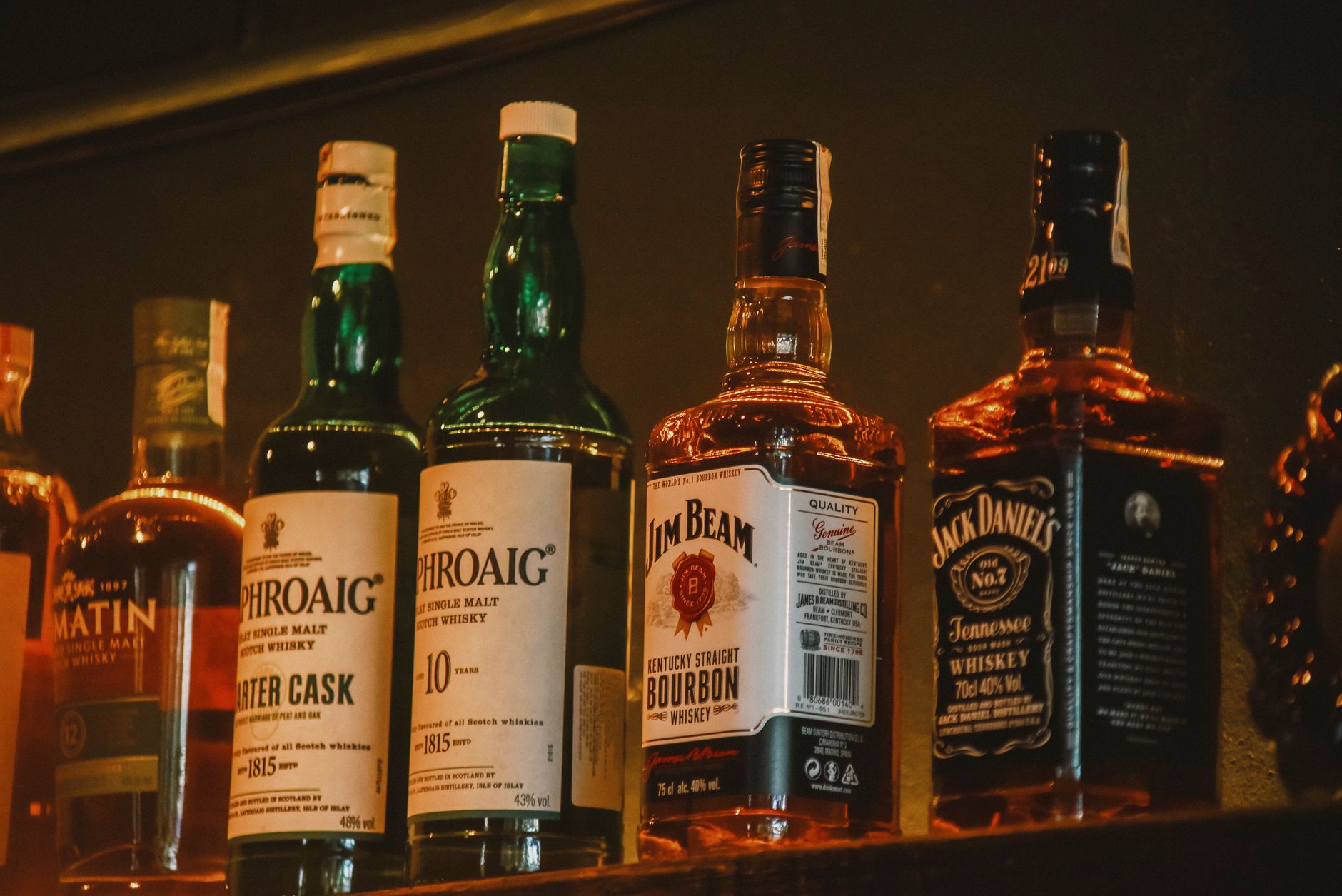
Bourbon is not just a drink; it embodies a rich tapestry of American history and culture. As a beloved type of whiskey, its origins trace back to the late 18th century, with roots deeply embedded in the fertile soils of Kentucky. Today, bourbon is cherished globally, not only for its smooth flavors but also for its distinct character forged through a unique distillation process.
This article delves into the fascinating history and production of bourbon, exploring when it was invented, its essential ingredients, the distillation process, and how these elements come together to create this iconic spirit.
When Was Bourbon Invented?
Bourbon whiskey was officially born in the late 1700s with the first known commercial production occurring around 1790. However, its origins can be traced even further back to early settlers who were distilling corn whiskey in the region now known as Bourbon County, Kentucky. The name “bourbon” itself is derived from Bourbon County, reflecting the drink’s geographical roots.
By the time the early 1800s rolled around, bourbon whiskey was gaining traction in the United States and developed into a distinct style, characterized by its specific mash bill and aging process.
Essential Ingredients of Bourbon
Bourbon whiskey is unique not only for its geographic origin but also for its specific recipe and production methods. To be classified as bourbon, a whiskey must meet certain criteria set by law. Here are the essential ingredients:
- Corn: At least 51% of the grain used in the mash bill must be corn. This gives bourbon its signature sweetness.
- Rye or Wheat: The remaining grains can include rye (for spice) or wheat (for a softer flavor).
- Barley: Malted barley is often included in the mash for its enzymes, which help convert starches into sugars during fermentation.
- Water: Pure spring water, often sourced from Kentucky, plays an important role in the quality of the bourbon, particularly in the mash and dilution processes.
The Production Process of Bourbon
The making of bourbon involves several critical steps. It is a craft that requires precision and expertise to yield the characteristic flavors and aromas bourbon enthusiasts adore. Here’s an overview of the production process:
1. Mashing
The process begins with mashing, where the corn, rye or wheat, and barley are ground into a coarse powder known as grist. Once ground, the grains are mixed with hot water in a large container called a mash tun. This combination activates enzymes in the malted barley, converting starches into fermentable sugars.
2. Fermentation
After mashing, the mixture is then cooled down and transferred into fermentation tanks. Yeast is added to this mash, and the fermentation process begins. This stage can last from three to seven days, during which the sugars are transformed into alcohol, producing a liquid known as “wash,” with an alcohol content of around 8-10%.
3. Distillation
Next comes distillation, where the wash is heated in a still. This process separates alcohol from water and impurities, resulting in “white dog” or “new make spirit” with an alcohol content of about 60-70%. The distillation must be carefully controlled; bourbon can only be distilled to no more than 160 proof to retain its character.
4. Aging
The next step is aging, which is fundamental to developing bourbon’s flavor profile. By law, it must be aged in new charred oak barrels. During aging, the whiskey interacts with the wood, absorbing flavors, color, and tannins that enhance the drink’s complexity. For a spirit to be labeled ‘straight bourbon,’ it must be aged for at least two years, although many premium bourbons are aged much longer.
5. Bottling
Finally, after aging, the bourbon is filtered and possibly diluted with pure water to achieve the desired bottling strength, which must be no less than 80 proof (40% alcohol by volume). It is then bottled and labeled, ready for distribution.
The Official Standards for Bourbon
To protect the integrity and heritage of bourbon whiskey, several legal definitions and regulations have been established. According to the American federal regulations, for a whiskey to be called bourbon, it must meet the following requirements:
- Must be produced in the United States.
- Must contain at least 51% corn in the mash bill.
- Must be distilled to no more than 160 proof.
- Must be aged in new charred oak barrels.
- Must be entered into the barrel for aging at no more than 125 proof.
- Must not contain any additives or colorings.
The History of Bourbon
The history of bourbon is as rich as the drink itself. While it’s difficult to pinpoint the first instance of bourbon production, many historians suggest that it originated with early settlers who began distilling corn whiskey in the late 1700s in what is now Bourbon County, Kentucky.
In the years following its inception, bourbon became a vital part of local trade and commerce, with distilleries popping up across the region. Prominent figures such as Jacob Beam and Basil Hayden were early pioneers of the bourbon trade.
During Prohibition (1920-1933), many distilleries closed, but some managed to survive by producing medicinal whiskey. The Bourbon industry saw a resurgence post-Prohibition, with bourbon gaining recognition at the state and national levels, eventually leading to its designation as the official spirit of Kentucky in 1964.
Understanding Bourbon Styles
Bourbon whiskey can be categorized into several styles, each offering a unique profile and experience. Here are some common classifications:
1. Straight Bourbon
This category must meet legal requirements and be aged for at least two years. It is regarded for its robust flavor profile.
2. Bottled-in-Bond Bourbon
Bottled-in-bond must be aged at least four years and bottled at 100 proof. It guarantees quality and authenticity, originating from the Bottled-in-Bond Act of 1897.
3. Small Batch Bourbon
This style is crafted from select barrels, providing a unique blend intended for a distinct flavor profile. The term isn’t strictly defined by law, allowing for some creative leeway.
4. Single Barrel Bourbon
A single barrel bourbon comes from one specific barrel rather than a blend of multiple barrels. This results in unique flavor characteristics influenced by the specific barrel’s aging conditions.
Tips for Tasting and Enjoying Bourbon
As you dive into the world of bourbon, tasting it properly can enhance your experience significantly. Here are some tips on how to best enjoy this spirit:
- Glassware: Use a Glencairn glass or a whiskey tumbler to appreciate the aromas and flavors better.
- Observe: Swirl the bourbon in the glass to assess its color and viscosity, which hints at its body and sweetness.
- Aroma: Take a moment to inhale the aroma through your nose. Note any scents like vanilla, caramel, or spice.
- Taste: Take small sips to allow the bourbon to roll over your palate, enjoying the different flavor notes as they develop.
- Finish: Note the lingering flavors after swallowing. A good bourbon will have a rich and lasting finish.
Common Mistakes When Tasting Bourbon
Tasting bourbon should be an enjoyable experience, but certain mistakes can detract from your enjoyment:
- Rushing the process: Take your time; savoring each step enhances the experience.
- Chilling the bourbon: While some enjoy bourbon on the rocks, chilling can mute the flavors. Try it neat first.
- Not experimenting: Don’t hesitate to try different bourbons. Each offers a unique experience.
The Surge of Bourbon Popularity
Recently, bourbon has seen a resurgence in popularity both domestically and internationally. Artisan distilleries have emerged, focusing on craft quality and unique flavors. The growth of bourbon cocktails, such as the Old Fashioned and Mint Julep, has also contributed to its appeal.
Furthermore, bourbon tourism has flourished in Kentucky, attracting visitors from across the globe who wish to experience the bourbon trail and learn about the production process firsthand.
How to Use Bourbon in Cooking
Bourbon can also be a fantastic ingredient in the kitchen, adding depth and flavor to dishes. Here are a few common culinary uses:
- Glazes: Bourbon can be incorporated into glazes for meats, bringing a sweet and smoky flavor that enhances the dish.
- Marinades: Use bourbon in marinades to tenderize and infuse meats with rich flavors.
- Desserts: Bourbon can elevate desserts, such as brownies or bread pudding, offering a delightful kick.
Recipes to Try with Bourbon
If you’re inspired to experiment with bourbon in your cooking, here are two recipes to consider:
Bourbon Glaze
This glaze is perfect for glazing meats, vegetables, or even drizzling over desserts.
- 1 cup bourbon
- 1 cup brown sugar
- ¼ cup soy sauce
- 2 tablespoons Dijon mustard
- In a saucepan, combine bourbon, brown sugar, soy sauce, and Dijon mustard.
- Bring to a boil and then reduce heat, allowing it to simmer until slightly thickened (about 15-20 minutes).
- Use as a glaze on your meat of choice during the last few minutes of cooking.
Bourbon Chicken
This dish features tender chicken cooked in a bourbon sauce for a delightful mix of flavors.
- 2 pounds chicken breasts, cut into bite-sized pieces
- ½ cup bourbon
- ½ cup soy sauce
- ¼ cup brown sugar
- 2 tablespoons cornstarch
- 2 tablespoons vegetable oil
- 2 cloves garlic, minced
- Heat vegetable oil in a skillet over medium heat and cook chicken until browned.
- Add garlic, soy sauce, bourbon, and brown sugar. Stir until combined.
- In a small bowl, mix cornstarch with a little water to create a slurry and add to the skillet.
- Simmer until sauce thickens, and serve over rice.
Conclusion
Bourbon’s rich history, strict production requirements, and unique flavor profile solidify its status as a beloved American spirit. Understanding when bourbon was invented and how it developed can deepen appreciation for this iconic whiskey.
Whether sipping it neat, on the rocks, or experimenting in the kitchen, bourbon offers a vast world of flavors to explore. Next time you’re in the liquor store, perhaps consider a bottle of bourbon for your next culinary adventure.
Explore even more delicious ideas on how to cook with bourbon by checking out our bourbon glaze recipe and try your hand at bourbon chicken. Happy cooking!