
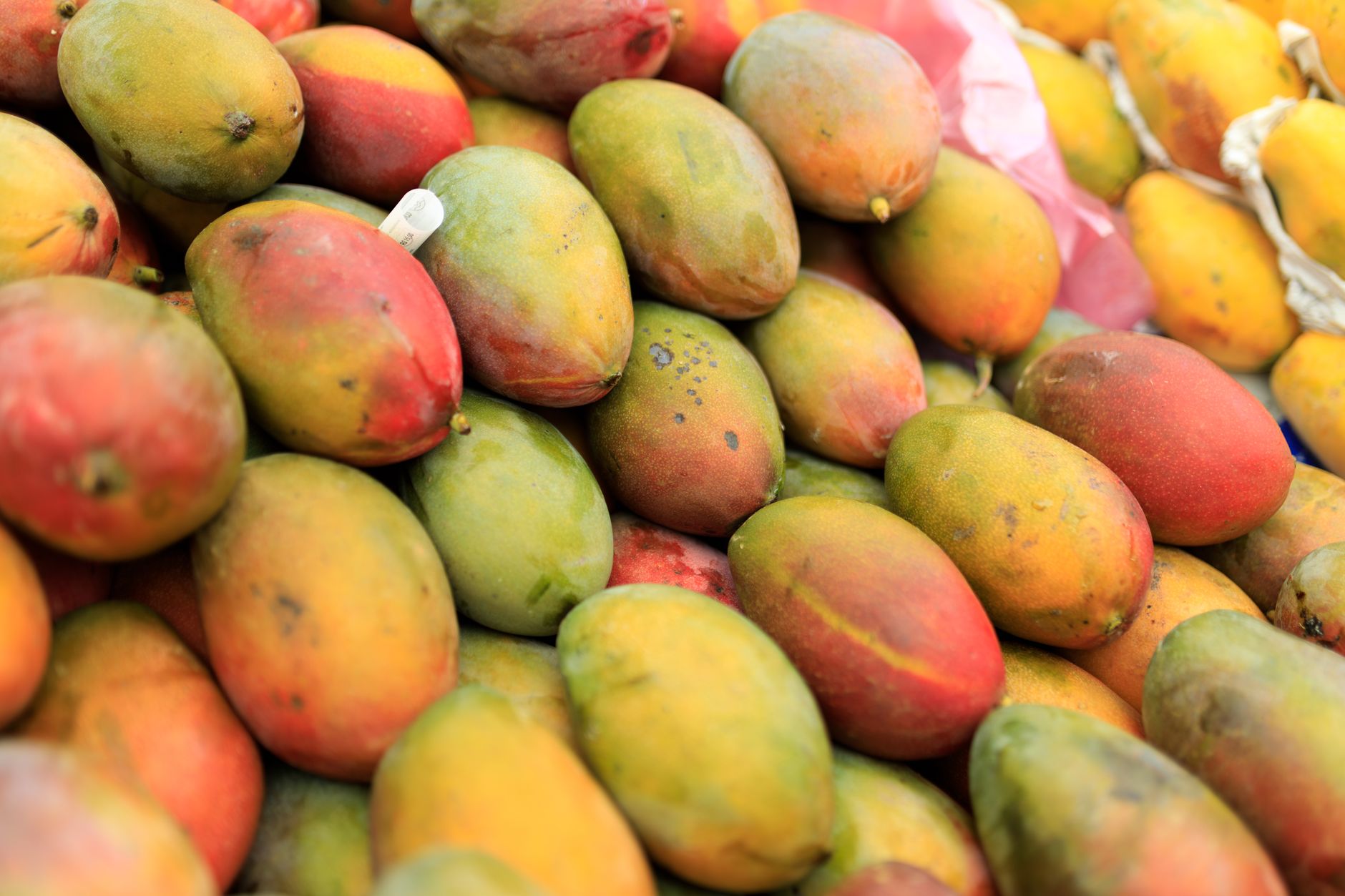
Understanding when a mango is ripe is essential for enjoying this delicious, juicy fruit at its best. Known for its sweet, tropical flavor and rich aroma, a ripe mango enhances various dishes, from salsas to desserts. In this guide, we will explore how to identify ripe mangoes, the science behind ripening, and tips to store and use them in your kitchen.
From choosing ripe mangoes at the store to knowing how to ripen them at home, we will cover everything you need for selecting the ideal fruit for your culinary needs. Whether you’re a mango lover or just getting introduced to this delightful fruit, mastering the art of selecting ripe mangoes will elevate your dishes and snacks.
When Is A Mango Ripe?
A mango is considered ripe when it yields slightly to gentle pressure, has a fragrant aroma, and exhibits a vibrant color specific to its variety. The ripening process can vary, but typically, a ripe mango is soft and aromatic, signaling that it’s ready to eat.
Understanding Mango Varieties
Mangoes come in numerous varieties, each with unique flavors, textures, and ripening characteristics. Some popular types include:
- Haden: Juicy and fragrant, usually with a bright red blush.
- Tommy Atkins: Fibrous yet sweet and comes in a range of colors, from green to red.
- Alphonso: Known as the ‘King of Mangoes,’ this variety is exceptionally sweet and fragrant when ripe.
- Kent: Large, greenish-yellow with little fiber, known for its sweetness.
- Atulfo: Small and creamy with a buttery texture, often considered one of the sweetest varieties.
Each variety ripens differently, so familiarize yourself with the characteristics of the mango you are working with to judge its ripeness accurately.
Visual Cues for Ripeness
Several visual indicators can help you assess mango ripeness:
- Color: As mangoes ripen, their skin changes color. Depending on the variety, this can range from green to yellow to red. Look for a substantial change from the fruit’s unripe color.
- Skin Texture: The skin may show some wrinkles or small blemishes, which can indicate ripening.
- Size: Ripe mangoes usually appear slightly larger and plump as they fill with juice.
Tactile Cues for Ripeness
When assessing a mango for ripeness, touch plays a crucial role:
- Softness: Gently squeeze the mango with your palm. A ripe mango should yield slightly, indicating it is soft inside. If it feels hard, it is likely unripe.
- Pressure Zones: When gently pressed, ripe mangoes will have soft spots, usually just below the stem.
Aromatic Cues for Ripeness
Another telltale sign of ripeness is the aroma:
- Fragrance: A ripe mango emits a sweet, fruity aroma from its stem area. If you can smell it before cutting into it, chances are it is ripe.
The Science Behind Ripening
The ripening of mangoes involves a complex biochemical process. Ethylene gas, produced by the fruit itself, plays a central role in this process, causing starches in the fruit to convert into sugars, making the mango taste sweeter. Understanding this may help you ripen mangoes more effectively at home.
How to Ripen Mangoes at Home
If you purchase unripe mangoes, there are several methods to encourage ripening:
- Room Temperature: Simply place unripe mangoes at room temperature in a bowl or on the countertop away from sunlight. Check daily and give them a slight squeeze to monitor their softness.
- Paper Bag Method: Place mangoes in a brown paper bag with an apple or banana. The additional ethylene gas from these fruits will accelerate ripening.
- Indirect Sunlight: Placing mangoes in indirect sunlight can also help speed up the ripening process, as warmth promotes the production of ethylene.
Common Mistakes When Selecting Mangoes
Here are some typical pitfalls to avoid when choosing and handling mangoes:
- Ignoring Variety: Not recognizing the differences between varieties can lead to choosing unripe mangoes that are perfect when served fresh.
- Over-squeezing: Applying too much pressure can bruise the fruit or lead to misjudging its ripeness.
- Confusing Color with Ripeness: Always combine visual inspections with tactile checks; some mangoes may change color before they’re thoroughly ripe.
How to Store Ripe Mangoes
Proper storage ensures that your ripe mangoes remain fresh for longer. Here’s how to store them:
- Room Temperature: If you plan to eat ripe mangoes within a few days, they can be left on the counter at room temperature.
- Refrigeration: If you need to store them longer, place ripe mangoes in the refrigerator. This slows down the ripening process but should be consumed within a week for the best flavor.
- Freezing: To store mangoes for an extended period, consider peeling and slicing them into chunks, then freezing in an airtight container. This is great for smoothies or desserts later.
Using Ripe Mangoes in Your Kitchen
Ripe mangoes can be used in many dishes, enhancing flavors and adding nutritional value. Here are some ideas for incorporating ripe mangoes:
- Salsas: Combine diced mango with onions, cilantro, lime juice, and jalapeño for a refreshing salsa, perfect with grilled chicken or fish.
- Salads: Toss mango slices in green salads for a tropical twist, complementing bitter greens with sweetness.
- Desserts: Use ripe mangoes in sorbets, puddings, or alongside yogurt for a refreshing treat.
- Drinks: Blend ripe mangoes into smoothies, juices, or cocktails for a flavorful boost.
Simple Mango Recipe: Mango Sago
Mango Sago is a wonderfully creamy dessert combining ripe mangoes with tapioca pearls and coconut milk. It’s a popular dish in many parts of Asia and a perfect way to enjoy fresh mangoes.
Ingredients
- 2 ripe mangoes, peeled and diced
- 1 cup tapioca pearls
- 1 cup coconut milk
- 2 tablespoons sugar (adjust to taste)
- Mango puree for garnish (optional)
Equipment
- Large pot
- Mixing bowl
- Strainer
- Blender (optional for pureeing mango)
Method
- Cook the tapioca pearls according to package directions until translucent. Drain and rinse under cold water to stop the cooking process.
- In a mixing bowl, combine the diced mango, cooked tapioca pearls, coconut milk, and sugar. Stir gently to mix.
- Serve chilled, garnished with additional mango puree if desired.
Potential Variations and Substitutions
There are numerous ways to personalize your Mango Sago:
- Sweeteners: Instead of sugar, consider honey or agave syrup for a natural sweetener.
- Fruit Variations: Add other fruits like diced kiwi or strawberries for added texture and flavor.
- Non-Dairy Options: Substitute the coconut milk with almond milk or another non-dairy product to suit dietary preferences.
Final Tips for Working with Mangoes
Here are some handy tips to keep in mind when working with mangoes:
- Always wash mangoes before cutting them to prevent contaminants from transferring from the skin to the flesh.
- Use a sharp knife for cutting, as mangoes can be slippery.
- For easy slicing, cut along the pit, which is typically flat. Cut each half into cubes, then scoop the flesh with a spoon.
In summary, knowing when a mango is ripe and how to select, store, and use it can significantly enhance your culinary experience. Whether you’re making a tropical fruit salad or simply enjoying a mango as a snack, understanding this fruit will help you appreciate its flavors and textures. The next time you find yourself with a ripe mango, consider trying a refreshing Mango Sago or simply slicing it fresh to enjoy.
For more insights on mangoes, check out our guide on what a ripe mango looks like or try making a delicious Mango Sago.