
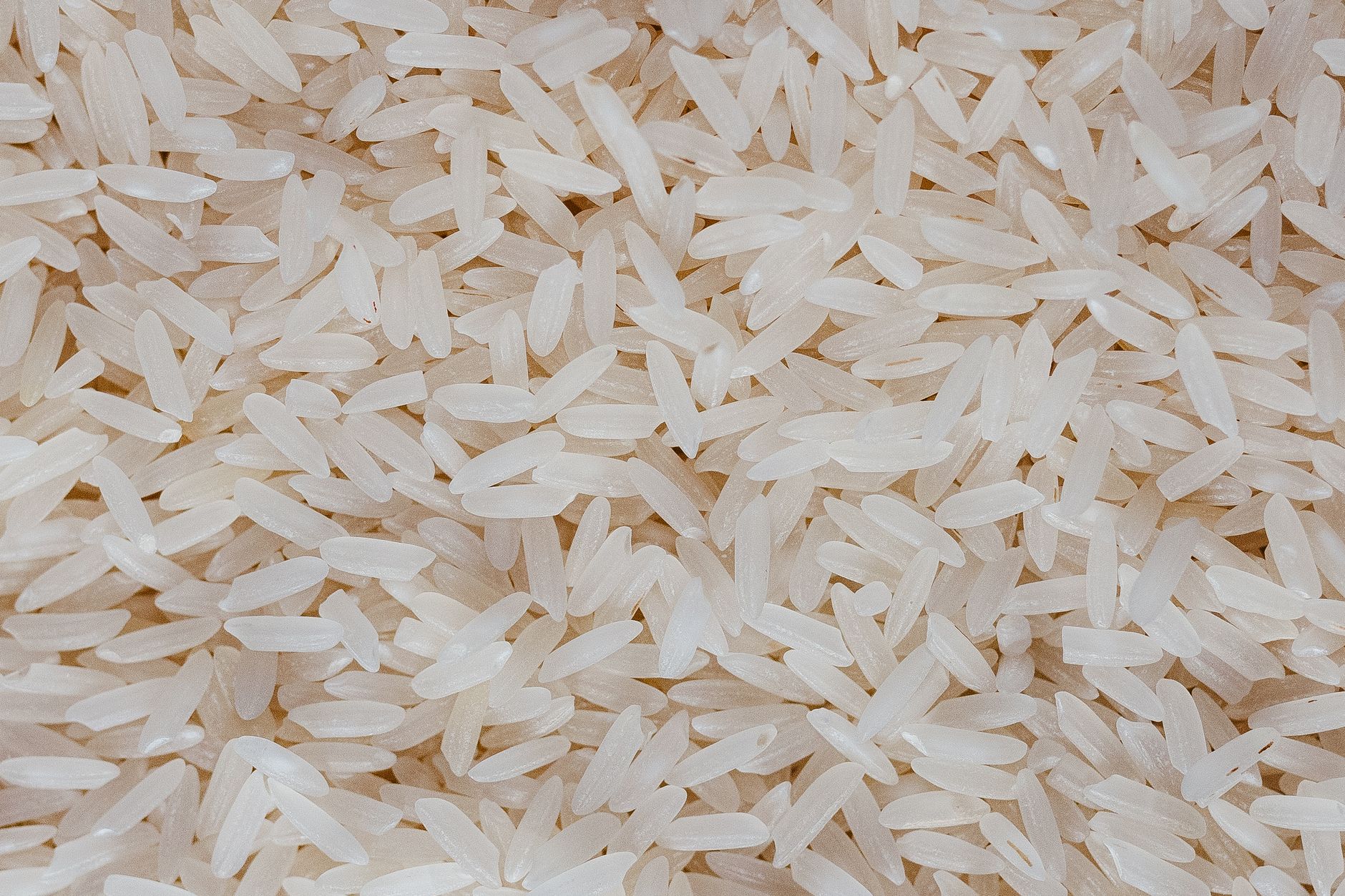
Understanding when rice expires is essential for maintaining both food safety and flavor in your meals. Rice is a staple in many cuisines worldwide and often found in pantries due to its versatility and long shelf life. However, various factors can affect its quality over time, making it crucial to know how to store rice properly and recognize signs of spoilage.
This article will explore the different types of rice, their shelf lives, proper storage methods, and signs of spoilage. In doing so, you’ll be better equipped to enjoy this valuable grain while minimizing food waste.
When Does Rice Expire?
Rice can last for many years if stored properly. Generally, uncooked white rice can remain edible for 4-5 years, while brown rice has a shorter shelf life of about 6 months due to its higher oil content. Always look for visible signs of spoilage to determine if your rice is still safe to eat.
Types of Rice and Their Shelf Life
The shelf life of rice varies depending on the type you have. Here’s a breakdown of the most common types:
- White Rice: Lasts indefinitely when stored in a cool, dry place. Once opened, it can last around 4-5 years if stored correctly.
- Brown Rice: Contains oils that make it spoil faster, lasting about 6 months to a year. Vacuum-sealing can extend its life.
- Wild Rice: Not technically rice, it can last up to 5 years when stored in an airtight container in a cool place.
- Jasmine and Basmati Rice: Both varieties of white rice that can last 4-5 years when unopened; however, opened packages should be consumed within 1-2 years.
Factors Affecting Rice Shelf Life
Several factors can impact how long rice lasts before expiring:
- Storage Conditions: Rice should be kept in a cool, dry place away from sunlight. Moisture can lead to spoilage.
- Packaging: Unopened, store-bought rice tends to last longer than rice stored in damaged or resealed packaging.
- Quality at Purchase: Fresh rice will last longer than rice that has undergone significant temperature fluctuations or has been improperly stored before your purchase.
Proper Storage Techniques
Storing rice correctly is key to extending its shelf life. Here are effective methods:
1. Keep It Sealed
Store rice in airtight containers, such as glass jars, plastic containers, or vacuum-sealed bags. This protects the rice from moisture, pests, and oxygen, all of which can cause spoilage.
2. Cool, Dry Environment
The ideal storage temperature for rice is between 50°F (10°C) and 70°F (21°C). Avoid areas like the pantry next to the stove or sunlit shelves. A cool basement can be an excellent option if you live in a warmer climate.
3. Monitor Moisture Levels
Moisture is the enemy of rice. Always check the seal on your containers. Adding moisture-absorbing packets can help maintain low humidity levels in storage containers.
Signs of Spoilage
Recognizing the signs that rice has gone bad can prevent foodborne illnesses and ensure food quality. Here are characteristics to watch for:
1. Unpleasant Odor
Fresh rice has little to no smell. If it develops a rancid or musty odor, it’s best to discard it.
2. Color Change
Changes in the color of the rice may indicate spoilage. For instance, brown rice typically ranges from light brown to dark brown. If it looks grayish or has dark spots, it’s likely gone bad.
3. Insect Infestation
Finding bugs, larvae, or even powdery residue in your rice is a sure sign of spoilage. If your rice has visible pests, toss it out immediately.
4. Texture and Appearance
If rice has developed a sticky or overly moist texture, it may have been contaminated with moisture. Discard any rice that feels clammy or sticky to the touch.
How to Tell If Cooked Rice Is Still Good
Cooked rice can last in the refrigerator for about 4-6 days. Here are signs that indicate whether it’s still safe to eat:
1. Smell
Like uncooked rice, cooked rice should not have a strong odor. A sour or rancid smell means it’s no longer safe to consume.
2. Mold Growth
Visible mold or discoloration is a clear indication that the cooked rice should be thrown out.
3. Texture Changes
If cooked rice becomes sticky or gummy, it may be past its prime. Discard it if you’re uncertain.
Cooking and Reheating Rice Safely
When it comes to cooking and reheating rice, following safe practices can help maintain quality and prevent foodborne illnesses:
1. Cooking Rice
- Rinse rice under cold water until the water runs clear to remove excess starch.
- Add water to the pot—typically, a 1:2 ratio of rice to water works well for most types of rice.
- Bring the water to a boil, then reduce the heat and cover the pot. Cook until the water is absorbed.
- After cooking, let the rice sit covered for about 10 minutes to steam.
- Fluff the rice with a fork before serving.
2. Reheating Cooked Rice
- Store leftover rice in an airtight container in the refrigerator within 1-2 hours after cooking.
- When reheating, add a splash of water to the rice to avoid it from becoming dry.
- Reheat in the microwave or stovetop until steaming hot (165°F/74°C).
- Do not reheat rice more than once as it may pose a health risk.
Long-Term Rice Storage Techniques
If you’ve purchased rice in bulk or simply want to ensure it has an extended shelf life, consider these long-term storage methods:
1. Freezing
Freezing rice can significantly extend its life. Seal uncooked rice in airtight bags and store it in the freezer. Frozen white rice can last for up to 10 years, while brown rice can last for 1-2 years.
2. Mylar Bags and Oxygen Absorbers
Using Mylar bags with oxygen absorbers can protect rice from moisture and air. Store these bags in a cool, dark place for the best results.
3. Buckets or Food Storage Containers
Food-grade plastic buckets with sealing lids can be great for bulk rice storage. Always ensure the container is clean and dry before use.
Cooking with Rice: Versatile Recipes
Rice’s versatility means it can be included in various dishes, from main courses to desserts. Here are a few ideas:
- Fried Rice: A great way to use leftover rice. Stir-fry with vegetables, proteins, and flavorings like soy sauce.
- Rice Pudding: Combine cooked rice, milk, sugar, and spices for a comforting dessert.
- Risotto: Arborio rice creates a creamy dish with continuous stirring and broth additions.
Common Mistakes When Storing and Cooking Rice
Avoiding these mistakes can help maintain rice quality:
- Not Sealing Properly: Leaving rice in an opened bag can expose it to bugs and moisture.
- Ignoring Expiration Dates: While rice can last long, it’s wise to check for expiration dates if they are provided on the packaging.
- Underestimating Storage Conditions: Heat and humidity greatly affect the rice’s longevity. Be vigilant about temperature and moisture levels.
Final Thoughts on Rice Expiration
Rice can be an excellent staple in your kitchen when stored correctly and consumed within its shelf life. Understanding when rice expires is crucial for ensuring you use it while it’s still fresh and safe to eat. By keeping an eye on storage conditions and recognizing signs of spoilage, you can enjoy this beloved grain without worries.
For another essential pantry staple, learn what molasses is made from. If you need to know how long chicken lasts in the fridge, that’s another topic covered as well.