
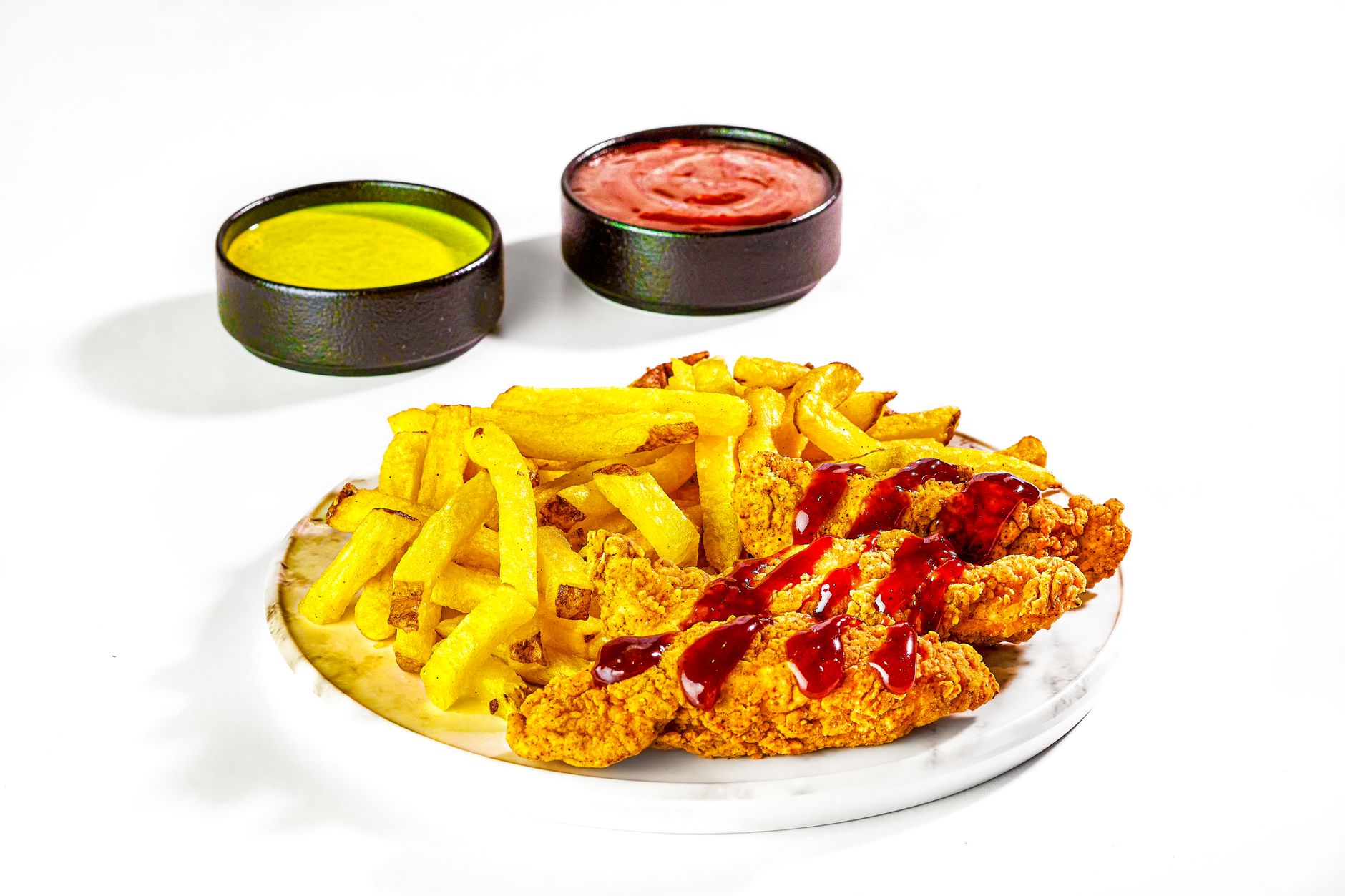
Chicken tenders are a popular choice for many, thanks to their crispy exterior and tender meat. But when it comes to maintaining a balanced diet or counting calories, knowing the caloric content of your favorite foods is essential. This article explores how many calories are in three chicken tenders, along with various factors that can affect their calorie count.
Understanding the calorie content not only helps with meal planning but also informs dietary choices for various health and wellness goals. Let’s break down the details, including typical serving sizes, variations in preparation methods, and factors influencing caloric content.
How Many Calories in 3 Chicken Tenders?
On average, three chicken tenders (cooked and breaded) contain approximately 300 to 450 calories. This range varies based on the cooking method, type of breading, and portion size. For example, deep-fried tenders usually have a higher calorie count compared to baked or air-fried versions.
Caloric Breakdown by Cooking Method
The way chicken tenders are prepared significantly impacts their calorie content. Below are common methods for cooking chicken tenders and their estimated calorie counts per three tenders:
- Fried Chicken Tenders: Approximately 450 calories. Traditional frying often involves a heavier breading and more oil, resulting in a higher calorie content.
- Baked Chicken Tenders: Approximately 300 calories. Baking requires less oil and can use lighter breading, making it a healthier option.
- Air-Fried Chicken Tenders: Approximately 330 calories. Air frying uses significantly less oil, resulting in a crispy texture with fewer calories than deep frying.
- Grilled Chicken Tenders: Approximately 240 calories. Grilling contains no breading, focusing on the meat itself, leading to a lower calorie count.
Factors Influencing Caloric Content
Several factors can affect the calorie count of chicken tenders, including:
1. Type of Breading
The type of breading can make a substantial difference in calories. Traditional breading, which typically consists of flour, cornstarch, and breadcrumbs, will have a different caloric value compared to gluten-free alternatives or those made with whole grains.
2. Seasonings and Marinades
Flavoring enhancements like marinades, sauces, or seasoning mixes can add additional calories. It’s essential to consider these when tallying the total caloric intake, especially if using store-bought sauces which often contain sugar or fat.
3. Portion Size
The size of the chicken tenders themselves can vary widely. Some restaurants serve larger tenders, which naturally increases the calorie count. Always check serving sizes if you’re eating out.
4. Cooking Medium
The type of oil or fat used for frying also contributes to the total calorie content. Oils like canola or peanut oil can add calories during frying, while using a cooking spray can minimize fat addition.
Nutrition Considerations
While calories are one aspect of chicken tenders, it’s also essential to consider other nutritional components. Chicken tenders can be a source of protein but can also include added fats and sodium. Here’s a typical nutritional profile for three fried chicken tenders:
- Protein: Approximately 24g
- Fat: Approximately 25g
- Saturated Fat: Approximately 4g
- Sodium: Approximately 800mg
- Carbohydrates: Approximately 15g
When considering the nutritional aspects, vary your preparation methods and sides to create a well-rounded meal.
Serving Suggestions
When served with appropriate sides, chicken tenders can be part of a balanced meal. Here are a few recommendations:
- Vegetable Sides: Serve with steamed broccoli, green beans, or a fresh salad to balance the meal with fiber and nutrients.
- Whole Grains: Pair your chicken tenders with brown rice or quinoa for a healthy carbohydrate source.
- Dipping Sauces: Opt for lighter, homemade sauces made from yogurt or homemade ranch to keep calorie counts manageable.
How to Make Healthier Chicken Tenders at Home
For those looking to enjoy chicken tenders without consuming excessive calories, making them at home is a fantastic option. Here’s a simple recipe for a healthier version:
Healthier Baked Chicken Tenders Recipe
This recipe yields approximately four servings, or twelve chicken tenders in total. Each serving should yield about 300 calories.
Ingredients
- 1 pound boneless, skinless chicken breasts (cut into strips)
- 1 cup whole wheat breadcrumbs
- 1 teaspoon paprika
- 1 teaspoon garlic powder
- 1 teaspoon onion powder
- 1 teaspoon salt
- ½ teaspoon black pepper
- 1 large egg (beaten)
- Cooking spray
Equipment Needed
- Baking sheet
- Parchment paper
- Mixing bowls
- Brush (for egg wash)
Method
- Preheat your oven to 400°F (200°C) and line a baking sheet with parchment paper.
- In one bowl, combine the whole wheat breadcrumbs and seasonings (paprika, garlic powder, onion powder, salt, pepper).
- In another bowl, beat the egg.
- Dip the chicken strips into the egg, allowing excess to drip off, then coat them in the breadcrumb mixture. Make sure to press the breadcrumbs onto the chicken for better adhesion.
- Place the coated chicken strips onto the prepared baking sheet. Lightly spray the tops with cooking spray.
- Bake for approximately 20-25 minutes or until the chicken is cooked through and the coating is golden brown.
Let them cool for a few minutes before serving. These homemade tenders can be enjoyed with a variety of sauces and sides!
Tips for Healthy Chicken Tenders
When preparing chicken tenders, consider the following tips for a healthier option:
- Substitute regular breadcrumbs with whole-wheat or gluten-free options.
- Use herbs and spices for flavor instead of heavy sauces.
- Cook using methods that require less oil, such as baking or grilling.
- Portion control is key; opt for smaller servings paired with plenty of vegetables.
Common Mistakes to Avoid
While making chicken tenders, a few common pitfalls can compromise your result:
- Not breading properly: Skipping the egg wash or not coating evenly can lead to breadcrumbs falling off during cooking.
- Overcooking: Chicken should reach an internal temperature of 165°F (74°C). Use a meat thermometer to ensure proper cooking.
- Soggy tenders: Avoid overcrowding on the baking sheet to allow for proper airflow, ensuring crispy tenders.
Storage and Reheating
Leftover chicken tenders should be stored in an airtight container in the refrigerator for up to three days. When reheating, consider using an air fryer or oven to restore crispiness. Avoid using a microwave, as it may lead to sogginess. Reheat to an internal temperature of 165°F (74°C).
Conclusion
Being aware of the caloric content in foods like chicken tenders can make a significant difference in managing your diet. Whether you opt for fried, baked, or grilled preparations, knowing the associated calories allows you to enjoy your meal while maintaining wellness goals. For fun, healthy recipes tailored to your preferences, consider making your chicken tenders at home using the tips and guidance provided.
Explore more about food storage and chicken safety by checking out how long does cooked chicken last and how long is chicken good for in the fridge.