
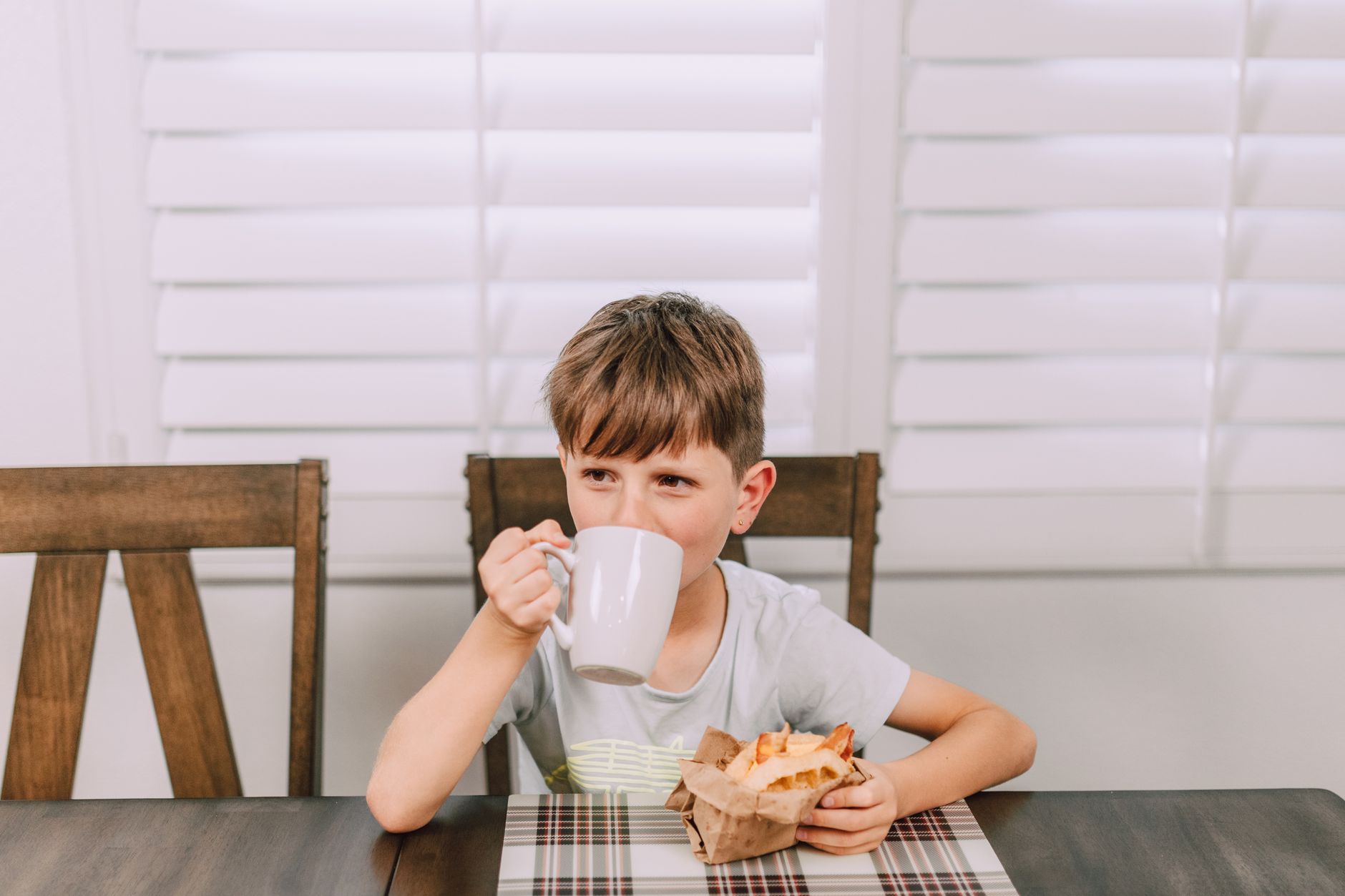
Caffeine is a popular stimulant found in various foods and beverages, sparking debates about its safety for children. Many parents wonder when it’s acceptable for kids to consume caffeine and in what amounts. Understanding caffeine’s effects, appropriate serving sizes, and health implications is essential for making informed decisions regarding children’s diets.
This article delves into the topic of caffeine consumption for children, outlining age recommendations, appropriate sources of caffeine, and practical tips for parents regarding caffeine intake. By equipping yourself with knowledge, you can foster healthy habits for your children while enjoying delicious caffeinated treats.
When Can Kids Have Caffeine?
Children can start consuming caffeine in moderation around the age of 12. However, the introduction of caffeine and the recommended serving sizes may vary based on individual health factors and lifestyle. It is crucial to monitor intake and ensure that caffeine does not replace essential nutrients in a child’s diet.
Understanding Caffeine
Caffeine is a central nervous system stimulant that temporarily wards off drowsiness and restores alertness. It is found predominantly in coffee, tea, soft drinks, and chocolate. Caffeine consumption has both beneficial and adverse effects, particularly in sensitive populations, including children.
The Effects of Caffeine
The stimulant effects of caffeine can lead to improved focus and concentration. However, excessive caffeine consumption can cause anxiety, restlessness, insomnia, heart palpitations, and digestive issues. Because children’s bodies are still developing, they may be more susceptible to these negative effects.
Age Recommendations for Caffeine Consumption
Here’s a simplified guideline for caffeine consumption based on age:
- Age 0-5: 0 mg of caffeine is recommended. Children in this age group should avoid caffeine entirely.
- Age 6-12: 1.0 mg per kilogram of body weight is safe. For example, a 40 kg child can have a maximum of 40 mg of caffeine (roughly one soda).
- Age 12 and older: Up to 100 mg of caffeine is generally acceptable, which can be comparable to one 8-ounce cup of coffee.
Sources of Caffeine
It is important to consider where caffeine is coming from, as some sources contain added sugars and other unhealthy ingredients. Here are common sources of caffeine:
- Coffee: A standard 8-ounce cup contains between 80-100 mg of caffeine.
- Tea: Depending on the type, tea can have around 30-60 mg of caffeine per 8 ounces. Green tea typically contains less caffeine than black tea.
- Sodas: Regular colas can contain 30-50 mg of caffeine per 12-ounce can.
- Energy drinks: These can range widely in caffeine content, often containing 80 mg or more per serving. However, they should generally be avoided by children.
- Chocolate: Dark chocolate has more caffeine compared to milk chocolate, with about 20 mg per ounce.
How to Safely Introduce Caffeine to Children
Introducing caffeine to children requires moderation and careful observation. Here are some practical guidelines to consider:
1. Start with Small Amounts
Begin with small servings of caffeinated beverages. For example, if your child is interested in trying iced tea, start with half a serving mixed with water or a non-caffeinated beverage.
2. Monitor Individual Tolerance
Each child’s reaction to caffeine can vary. Observe how they respond after consuming caffeine, keeping an eye out for potential side effects such as jitters or trouble sleeping.
3. Limit to Specific Times
Consider allowing caffeine consumption earlier in the day to minimize the potential for sleep disruption. Avoid caffeine consumption within several hours of bedtime.
4. Choose Healthier Options
Instead of energy drinks or sugary sodas, consider healthier alternatives, such as herbal tea or low-sugar homemade lemonade with a splash of tea. These options can provide hydration without excessive sugar or caffeine.
Nutrition Considerations
While caffeine can be included in a balanced diet, it’s essential to prioritize nutrition. Caffeine-rich beverages often contain added sugars, which can lead to unhealthy weight gain and dental issues.
Shift Focus to Nutrient-Rich Alternatives
Encourage your child to consume nutrient-rich foods and drinks. Here are a few alternatives:
- Water: The best way to stay hydrated.
- Herbal teas: Naturally caffeine-free and come in a variety of flavors.
- Low-sugar smoothies: Use fruits and vegetables to make nutritious drinks.
- Whole fruits: Great sources of hydration, vitamins, and minerals.
Caffeine Myths and Facts
There are several misconceptions regarding caffeine and its impact on children. Here are some clarifications:
Myth 1: Caffeine Causes Hyperactivity
While caffeine can enhance alertness, it does not directly cause hyperactivity. Research on this topic has shown that in moderation, caffeine does not significantly affect behavior.
Myth 2: Caffeinated Drinks are a Good Source of Hydration
While caffeine does have a mild diuretic effect, moderate consumption does not lead to dehydration. That said, water and other non-caffeinated beverages should still be the main sources of hydration.
Myth 3: All Caffeine is Equal
The source of caffeine matters. For example, coffee has higher levels of caffeine than a cup of tea, and energy drinks may contain additional ingredients that can be harmful, making it necessary to evaluate each source.
Practical Serving Sizes for Kids
Understanding proper serving sizes can help parents ensure that children enjoy caffeine responsibly. The following are approximate caffeine amounts found in common beverages:
| Beverage | Caffeine Content (per serving) |
|---|---|
| 8 oz brewed coffee | 95 mg |
| 8 oz black tea | 47 mg |
| 12 oz cola | 30 mg |
| 16 oz energy drink | 160 mg |
| 1 oz dark chocolate | 23 mg |
Common Mistakes to Avoid
Parents can mitigate the risks of caffeine consumption by avoiding these common mistakes:
1. Allowing Unlimited Access to Caffeine
Encourage mindful consumption by setting limits on how often and how much caffeine your child can have throughout the day.
2. Not Considering Caffeine Closeness to Bedtime
Avoid caffeine in the evening or right before bed to protect your child’s sleep quality.
3. Confusing Caffeine Content in Different Drinks
Be cautious with energy drinks and high-caffeine products. Always read labels to understand what your child is consuming.
Final Recommendations
As a parent, you hold the reins on how and when your child can safely consume caffeine. Here are a few final considerations:
- Prioritize hydration with water and non-caffeinated options.
- Encourage over sugary beverages in moderation.
- Be vigilant about your child’s energy levels, sleep patterns, and overall health.
- Consult with a pediatrician about any concerns regarding caffeine consumption and its effects on your child.
Understanding caffeine and its potential effects on children can help you make informed choices that promote their health. While introducing caffeine may offer some enjoyment, it is paramount to maintain balance and prioritize nutritional needs. With proper guidelines in place, your child can enjoy safe caffeine consumption as part of a healthy diet.
For further explorations into the world of caffeinated beverages, consider checking out our resources on Diet Dr. Pepper’s caffeine content and which tea has the most caffeine.