
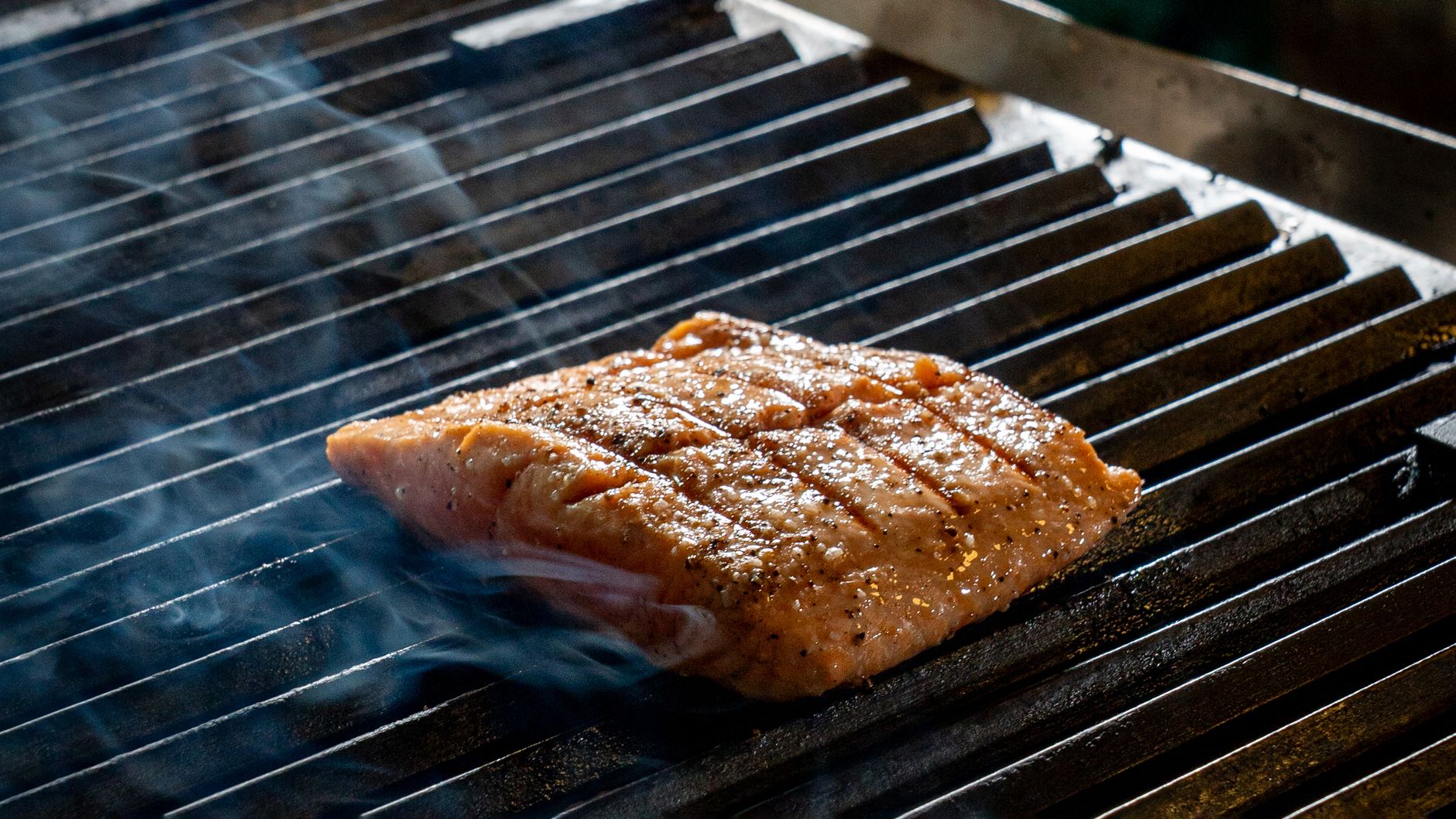
Cooking salmon can be a delightful culinary adventure, blending flavors and textures in a myriad of ways. However, understanding how long to cook salmon is essential to achieve that perfect flaky and moist texture without overcooking. This guide covers various cooking methods, ideal cooking times, and tips for ensuring your salmon turns out delicious every time.
Whether you prefer your salmon grilled, baked, broiled, or pan-seared, you’ll find all the necessary details to prepare this nutritious fish properly. With some basic knowledge, cooking salmon can be easy and rewarding.
How Long Do I Cook Salmon?
To cook salmon, the general rule of thumb is to cook it for about 4 to 6 minutes per half-inch of thickness at 400°F (200°C) if using a baked method. The cooking time can vary based on the cooking technique and the desired level of doneness. Always check for doneness with a food thermometer, or by examining the flesh for flakiness.
Understanding Salmon Doneness
Before diving into specific cooking times and methods, it’s important to understand how to determine when salmon is done. The USDA recommends that salmon be cooked to an internal temperature of 145°F (63°C). However, many chefs and home cooks prefer to remove salmon from the heat when it reaches around 125°F to 130°F (52°C to 54°C) for a medium-rare finish, which retains moisture and enhances flavor.
Texture and Color
A perfectly cooked salmon will appear opaque and should easily flake apart when tested with a fork. The color should change from translucent to a light pinkish hue. If the salmon starts breaking apart or feels overcooked, it might be a bit too late.
Cooking Methods and Their Times
1. Baking Salmon
Baking is a straightforward and healthy method that preserves the flavor and moisture of salmon.
Ingredients
- Salmon fillets (about 6 ounces each)
- Olive oil or melted butter
- Salt and pepper
- Your choice of herbs (such as dill or parsley)
- Lemon slices (optional)
Instructions
- Preheat your oven to 400°F (200°C).
- Line a baking sheet with parchment paper or foil for easy cleanup.
- Place the salmon fillets on the prepared baking sheet, skin-side down.
- Drizzle with olive oil or melted butter, and season with salt, pepper, and herbs.
- If desired, place lemon slices on top of the salmon.
- Bake in the preheated oven for about 12 to 15 minutes, or until the internal temperature reaches 145°F (63°C).
Cooking Time Summary
For salmon fillets about one-inch thick, expect to bake for 12 to 15 minutes. Adjust the time based on thickness.
2. Grilling Salmon
Grilling imparts a smoky and charred flavor, enhancing the salmon’s natural taste.
Ingredients
- Salmon fillets (skin-on is preferable)
- Olive oil
- Salt and pepper
- Your choice of marinades or spice rubs
Instructions
- Preheat the grill to medium-high heat (around 375°F to 425°F).
- Brush the salmon fillets with olive oil and season with salt, pepper, and any marinades.
- Place the salmon skin-side down on the grill grates.
- Cook for about 6 to 8 minutes, depending on the thickness.
- Carefully flip the salmon over, and cook for an additional 4 to 6 minutes until done.
Cooking Time Summary
Most salmon fillets will take around 10 to 14 minutes total on the grill, depending on thickness and desired doneness.
3. Pan-Seared Salmon
Pan-searing salmon creates a deliciously crispy exterior while keeping the inside moist.
Ingredients
- Salmon fillets
- Olive oil or butter
- Salt and pepper
- Fresh lemon juice or herbs (optional)
Instructions
- Heat a non-stick or cast-iron skillet over medium-high heat.
- Add olive oil or butter to the skillet until shimmering.
- Season the salmon fillets with salt and pepper, then place them skin-side down in the hot skillet.
- Cook for about 4 to 5 minutes, then gently flip.
- Cook for an additional 3 to 4 minutes, or until the internal temperature reaches 145°F (63°C).
Cooking Time Summary
Pan-seared salmon will typically take around 8 to 10 minutes total, depending on the thickness of the fillets.
4. Broiling Salmon
Broiling allows the salmon to cook quickly while achieving a beautifully charred top.
Ingredients
- Salmon fillets
- Cooking spray or olive oil
- Salt and pepper
Instructions
- Preheat your broiler on high and position a rack about 6 inches below the heat source.
- Line a broiler pan or baking sheet with aluminum foil.
- Spray the pan with cooking spray, or brush with olive oil.
- Season the salmon fillets with salt and pepper, and place under the broiler.
- Broil for 6 to 10 minutes, depending on thickness, until the fish is cooked through and crispy on top.
Cooking Time Summary
Expect broiling to take about 6 to 10 minutes, watching carefully to prevent burning.
Common Mistakes and Troubleshooting
Overcooking
One of the most common mistakes is overcooking the salmon, which can lead to a dry texture. Always use a food thermometer to check the doneness accurately.
Skinned vs. Skin-On Cooking
Cooking salmon skin-side down helps protect the flesh and retain moisture. If the skin is removed, monitor the doneness closely, as it can cook faster.
Leaving It Rest
Let your salmon rest for a few minutes after cooking. This allows the juices to redistribute, making for a more flavorful bite.
Serving Suggestions
Salmon pairs wonderfully with various sides and sauces. Here are some ideas:
- Vegetables: Serve with roasted asparagus, sautéed spinach, or a fresh garden salad.
- Carbohydrates: Complement with quinoa, rice, or baked potatoes.
- Sauces: Top with a dill sauce, lemon butter, or teriyaki glaze for added flavor.
Make-Ahead Tips
Salmon cooks quite quickly. For meal prepping, consider cooking a large batch and storing it in the refrigerator for up to three days. Reheat gently to avoid drying out the fish.
Storage and Reheating
Cooked salmon can be stored in the refrigerator for up to three days in an airtight container. To reheat, do so in a preheated oven at 275°F (135°C) for about 15 minutes or in a skillet over low heat for a few minutes until warmed through.
Practical Substitutions
If you don’t have salmon, various fish types can be substituted, though cooking times and flavors may vary:
- Trout: Similar texture and flavor. Cooking times are generally the same.
- Tilapia: Leaner and less flavorful. Cook for about 4 to 5 minutes per side depending on thickness.
- Sardines: Cook quickly and provide a stronger flavor. Adjust cooking times to 3 to 4 minutes per side.
Summary
Cooking salmon perfectly requires attention and the right knowledge of cooking times. This versatile fish can be baked, grilled, pan-seared, or broiled to create a delightfully satisfying dish. By using this guide to determine cooking times based on thickness and method, you’ll consistently produce delicious salmon dishes.
If you’re interested in exploring more cooking techniques or recipes, check out how to cook tilapia or learn how long cooked chicken lasts. These resources will help you expand your culinary skills and meal ideas.