
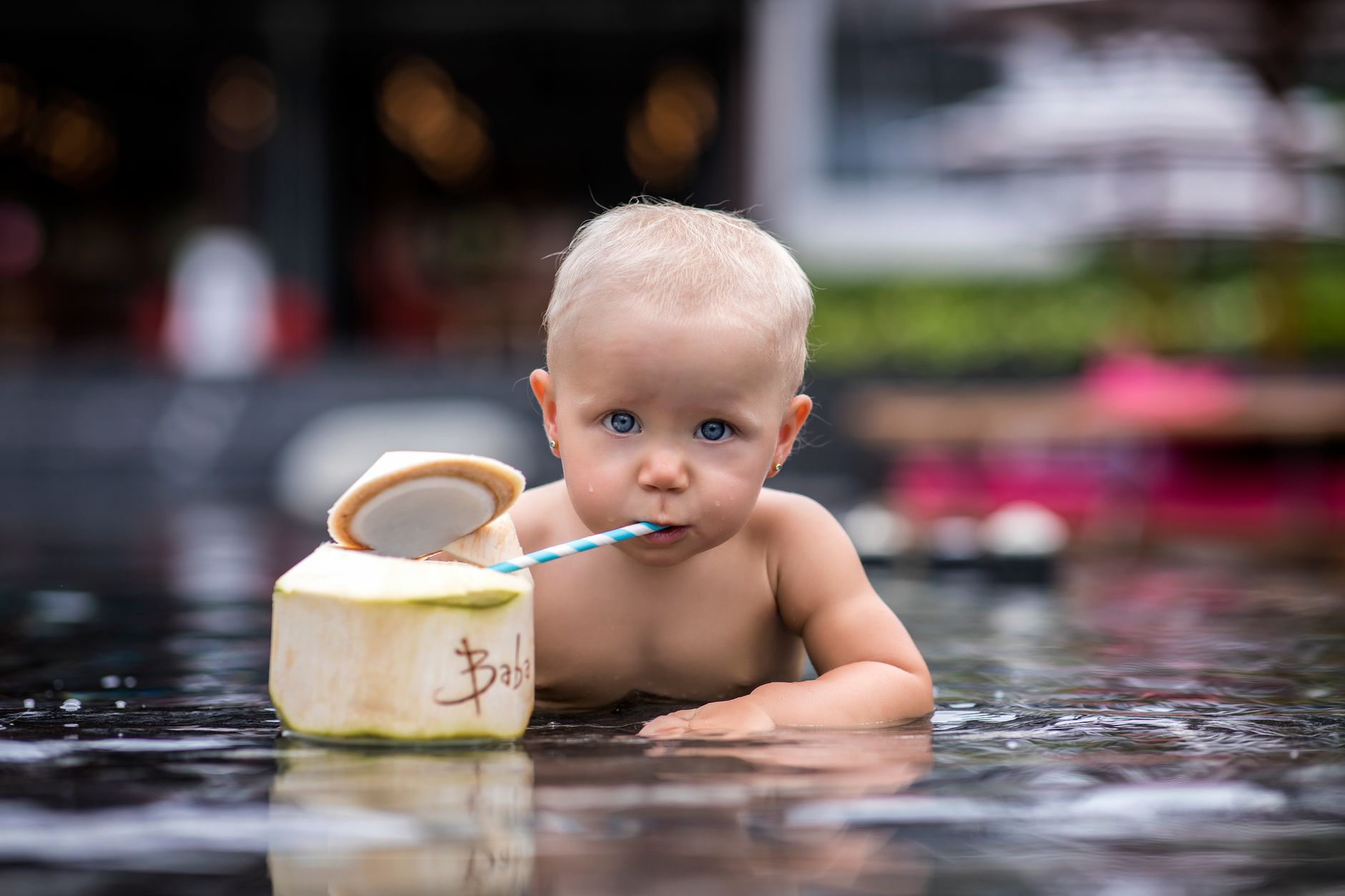
Introducing juice and water to a baby’s diet is a significant milestone that raises many questions for parents. Understanding when and how to incorporate these beverages is crucial for ensuring proper hydration and nutrition.
This article will provide you with a comprehensive guide on when babies can have juice and water, including dietary recommendations and suggested portions.
When Can Babies Have Juice and Water?
Babies can typically start drinking small amounts of water around six months of age and can be introduced to juice after their first birthday. While hydration is essential, it is important to manage portions and selections wisely to promote a balanced diet.
Understanding When Babies Can Drink Water
The recommended age for introducing water to babies is around six months. By this time, your baby is likely starting solid foods, and water can complement these new dietary habits.
Why Introduce Water at Six Months?
- Hydration: As babies begin to eat solids, they need water to help with digestion.
- Transition: Water serves as a transition from breast milk or formula to other foods.
- Learning: It helps babies learn to drink from a cup, paving the way for self-feeding.
Portion Guidelines for Water
Initially, babies only need a few sips of water during meals. Here are some guidelines on portions:
- Start with 2 to 4 ounces (60 to 120 ml) per day.
- Gradually increase to no more than 8 ounces (240 ml) by the time they are 1 year old.
Best Types of Water for Babies
For infants, it is best to use:
- Filtered tap water or purified water.
- Avoid bottled water unless it is labeled as suitable for infants.
Introducing Juice to Your Baby
Juice is not recommended until after the baby’s first birthday. When introducing juice, it is essential to choose the right type and be mindful of the amount you offer.
Why Wait Until One Year for Juice?
- Nutrition: Infants under one year should primarily receive nutrients from breast milk or formula.
- Digestive Readiness: Babies’ digestive systems are still maturing, and fruit juice can be harsh on their stomachs.
- Dental Concerns: Juice consumption can lead to tooth decay if babies are allowed to sip on it constantly.
Choosing the Right Juice
Once your baby turns one, you can introduce 100% fruit juice. Here are some important aspects to consider:
- Opt for juice without added sugars or artificial flavors.
- Choose juices made from whole fruits for added nutrients.
- Common fruits for juice: apple, pear, or orange are good starting options.
Portion Guidelines for Juice
Managing juice intake is crucial to prevent excessive sugar consumption:
- Limit juice intake to no more than 4 ounces (120 ml) per day.
- Always dilute juice with water to reduce sugar content.
Common Juice Mistakes to Avoid
- Avoid giving juice in bottles or sippy cups for prolonged periods.
- Do not substitute juice for whole fruits, as fruits provide fiber and additional nutrients.
- Keep quantities small to minimize the risk of digestive upset and cavities.
Practical Tips for Hydration
Maintaining proper hydration in babies is essential. Here are some practical tips for ensuring your little one gets enough fluids:
Signs of Dehydration
Know the signs indicating your baby may need more fluids:
- Dry mouth or lips.
- Fewer wet diapers (less than six per day).
- Lethargy or irritability.
Hydration Routine
Incorporating fluids into your baby’s routine can be seamless:
- Offer small sips of water during mealtime.
- Introduce water in a baby-friendly cup to encourage independent drinking.
- Start with 2 ounces (60 ml) and adjust as your baby’s appetite grows.
Common Questions About Juice and Water for Babies
Can babies drink flavored water?
Flavored water for babies is not recommended, as it often contains sugars and other additives that can be harmful. Stick to plain water or prepare infused water with fresh fruits, but it’s best to introduce those after the first year.
What about electrolyte drinks?
Electrolyte drinks are typically not necessary for infants. If there are concerns about hydration due to illness or heat, consult a pediatrician before introducing any specialized protein drinks.
What if my baby refuses water or juice?
If your baby refuses water or juice, it’s essential not to force it. Experiment with different cups or temperatures. Offer water frequently, and continue to provide it without pressure. They may become more receptive as they adapt.
Making Juice Part of a Healthy Diet
When introducing juice, it’s important to ensure it complements a well-balanced diet. Here are thoughts on integrating juice into daily meals:
Balancing Juice with Whole Fruits
Pairing juice with whole fruits is the best practice:
- Offer whole fruits alongside juice for providing fiber.
- Use juice as a treat rather than a standard offering to support healthy eating habits.
Using Juice in Cooking
Juice can also be incorporated into cooking:
- Use juice to flavor baked goods (once your child is old enough).
- Mix juice into smoothies for added flavor and nutrients.
Storing and Handling Juice and Water for Babies
Proper storage and handling of beverages is crucial to prevent any contamination:
Storage Guidelines
Juice and water should be stored correctly to maintain their quality:
- Store opened juice in the refrigerator and use within 7-10 days.
- Seal water tightly if prepared in batches for travel.
Cup Recommendations
Choose cups designed for infants and toddlers:
- Select spill-proof options to reduce mess.
- Ensure the cup is easy for your baby to hold and drink from.
Conclusion: A Balanced Approach to Hydration for Your Baby
Incorporating juice and water into your baby’s diet should be done thoughtfully and at the right age. Always prioritize whole fruits over juice and monitor portions closely.
As you navigate this new stage, providing a variety of fluids while balancing your baby’s nutritional needs will lay the foundation for healthy habits in the future. Explore practical recipes and tips, such as how to prepare fresh agua fresca or delicious chia pudding for your growing child.