
Vitamin D is an essential nutrient that plays a crucial role in maintaining healthy bones and supporting the immune system. While sunlight is a primary source of vitamin D, dietary options are vital for those who may not get enough sun exposure. Many people wonder which vegetables are high in vitamin D to incorporate into their diets.
Surprisingly, most vegetables contain little to no vitamin D. Instead, certain fungi, specifically mushrooms, and fortified foods are primary sources. This article delves into the significant contributors to vitamin D and offers ways to include them in your meals.
What Vegetables Are High in Vitamin D?
While you won’t find traditional vegetables like spinach or broccoli containing high levels of vitamin D, there are some surprising alternatives. Here are the primary contributors:
- Mushrooms: Some varieties of mushrooms are among the best food sources of vitamin D, especially when exposed to ultraviolet (UV) light.
- Fortified Foods: Although not a vegetable in the classic sense, many plant-based products are fortified with vitamin D, which can include veggie-based dairy alternatives.
Mushrooms: The Leading Natural Source
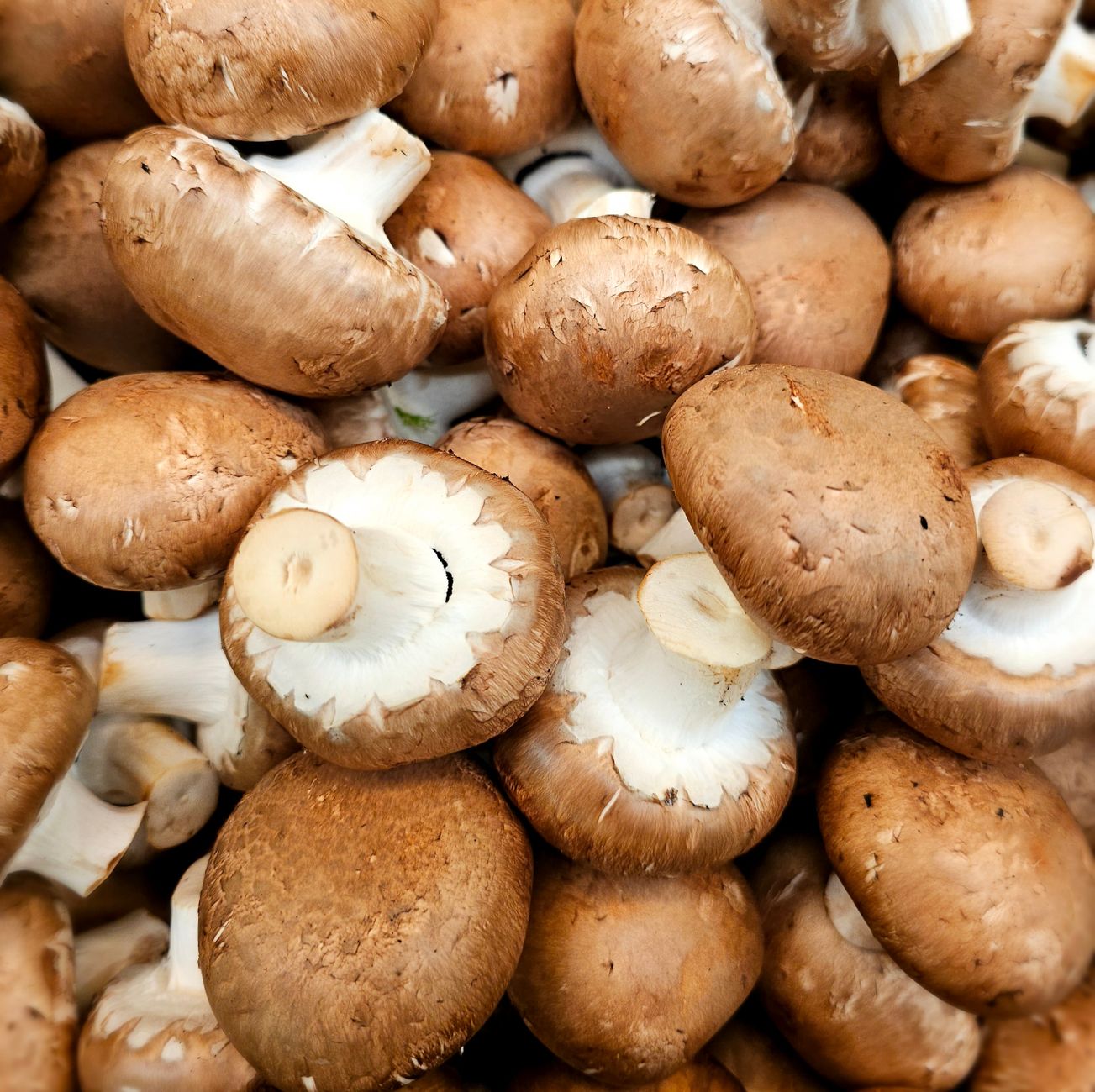
Mushrooms are unique because they have the ability to synthesize vitamin D when exposed to UV light. Several types possess notable vitamin D levels, especially those exposed to sunlight or UV lamps.
Types of Mushrooms High in Vitamin D
- Shiitake Mushrooms: When dried, shiitake mushrooms can provide around 2,000 IU of vitamin D per 100 grams.
- Maitake Mushrooms: Known as “Hen of the Woods,” maitake mushrooms can deliver about 700 IU of vitamin D in a 100-gram serving.
- Portobello Mushrooms: Exposed to UV light, portobello mushrooms can have up to 400 IU per 100 grams, making them a great addition to various dishes.
Cooking with Mushrooms
Mushrooms are incredibly versatile and can be used in countless recipes. Here are some simple ideas to include them in your meals:
- Sautéed Mushrooms: Quickly cook sliced mushrooms in olive oil with garlic and herbs for a flavorful side.
- Mushroom Risotto: Stir into creamy risotto for a rich flavor and added nutrition.
- Mushroom Soup: Blend cooked mushrooms with vegetable broth and seasonings for a comforting soup.
Fortified Foods and Their Impact
While vegetables themselves may lack vitamin D, many plant-based products have been fortified to help meet daily intake recommendations. This includes milk alternatives, plant-based yogurts, and cereals.
Commonly Fortified Foods
- Almond Milk: Fortified almond milk can provide around 100 IU of vitamin D per 1 cup serving.
- Soy Milk: This alternative is often fortified and can also offer similar vitamin D levels.
- Fortified Orange Juice: Some brands of orange juice have added vitamin D, providing an excellent breakfast option.
Suggestions for Incorporating Fortified Foods
Incorporating fortified foods into your meals is straightforward:
- Smoothies: Blend fortified almond or soy milk with fruits and vegetables for a nutrient-rich breakfast.
- Baking: Use fortified milk alternatives in pancakes or muffins for extra benefits.
- Breakfast Bowls: Pour fortified orange juice over whole grain cereals to kickstart your day.
Creative Ways to Boost Vitamin D Intake
While it’s challenging to obtain sufficient vitamin D solely from vegetarian sources, there are creative ways to enhance your intake through diet. Here are a few strategies:
Include Mushrooms in Various Cuisines
Incorporating mushrooms into various cuisines can add depth and flavor while enhancing your vitamin D levels. Consider these global dishes:
- Asian Stir-Fry: Combine mushrooms with colorful vegetables and your favorite sauce for a quick meal.
- Italian Risotto: Use mushrooms in a creamy risotto, blending them with popular Italian flavors like garlic and Parmesan cheese.
- Mexican Tacos: Use sautéed mushrooms as a filling in tacos, garnishing with fresh cilantro and lime.
Opt for UV-Exposed Mushrooms
Seek out mushrooms that are specifically labeled as having been UV-exposed. Many grocery stores now offer these varieties, maximizing your vitamin D intake.
Utilize Supplements When Necessary
For individuals with dietary restrictions or limited sun exposure, it may be beneficial to consider vitamin D supplements. Consult with a healthcare professional for guidance.
Vitamin D and Health Benefits
Vitamin D is critical for various bodily functions beyond bone health. Some of its benefits include joint protection, mood enhancement, and immune support.
Understanding the Role of Vitamin D
- Bone Health: Vitamin D aids in calcium absorption, which is essential for maintaining strong bones.
- Mood Regulation: Some research suggests that vitamin D may help alleviate symptoms of depression and anxiety.
- Immune Function: Adequate levels of vitamin D may enhance the body’s ability to fight infections.
Addressing Common Misconceptions
There are many myths associated with vitamin D, particularly regarding its sources. Here are common misconceptions clarified:
Myth: All Vegetables Contain Vitamin D
Fact: Very few plants contain significant amounts of vitamin D; most is found in animal products and specific fungi.
Myth: Sunlight is Enough
Fact: While sun exposure is crucial, factors such as geographical location, skin tone, and season can greatly affect vitamin D synthesis.
The Importance of a Balanced Diet
While incorporating mushrooms and fortified foods is vital, consuming a balanced diet is equally essential for receiving all necessary nutrients. Include a variety of vegetables, lean proteins, whole grains, and healthy fats in your daily meals.
Vegetables for Bone and Immune Health
Although vegetables may not be rich in vitamin D, choosing those high in calcium and other supportive nutrients can aid in bone health:
- Broccoli: High in calcium, it complements vitamin D intake for stronger bones.
- Kale: Another excellent source of calcium, adding depth to salads and smoothies.
- Other Leafy Greens: Spinach and collard greens also contribute to calcium needs.
Tips for Meal Planning with Vitamin D in Mind
Planning meals with vitamin D in mind can help ensure adequate intake while enjoying various flavors:
- Weekly Mushroom Dishes: Dedicate certain nights to cooking dishes featuring mushrooms.
- Include Fortified Products: Stock up on fortified drinks and snacks to boost your vitamin D intake throughout the day.
- Sunshine Hours: Make an effort to eat your meals outside whenever possible to naturally boost vitamin D levels while enjoying fresh food.
Conclusion
While the variety of vegetables high in vitamin D is limited, mushrooms and fortified foods offer excellent alternatives to maintain adequate vitamin D levels. By incorporating these elements in creative ways, you can enjoy a diverse and nutritious diet while supporting overall health.
For further inspiration, explore recipes involving dandelion greens or try a creative twist on classic dishes like honey sesame chicken. These links offer a great way to get started on adding flavor and nutritional value to your meals: honey sesame chicken recipe, dandelion greens recipe.