
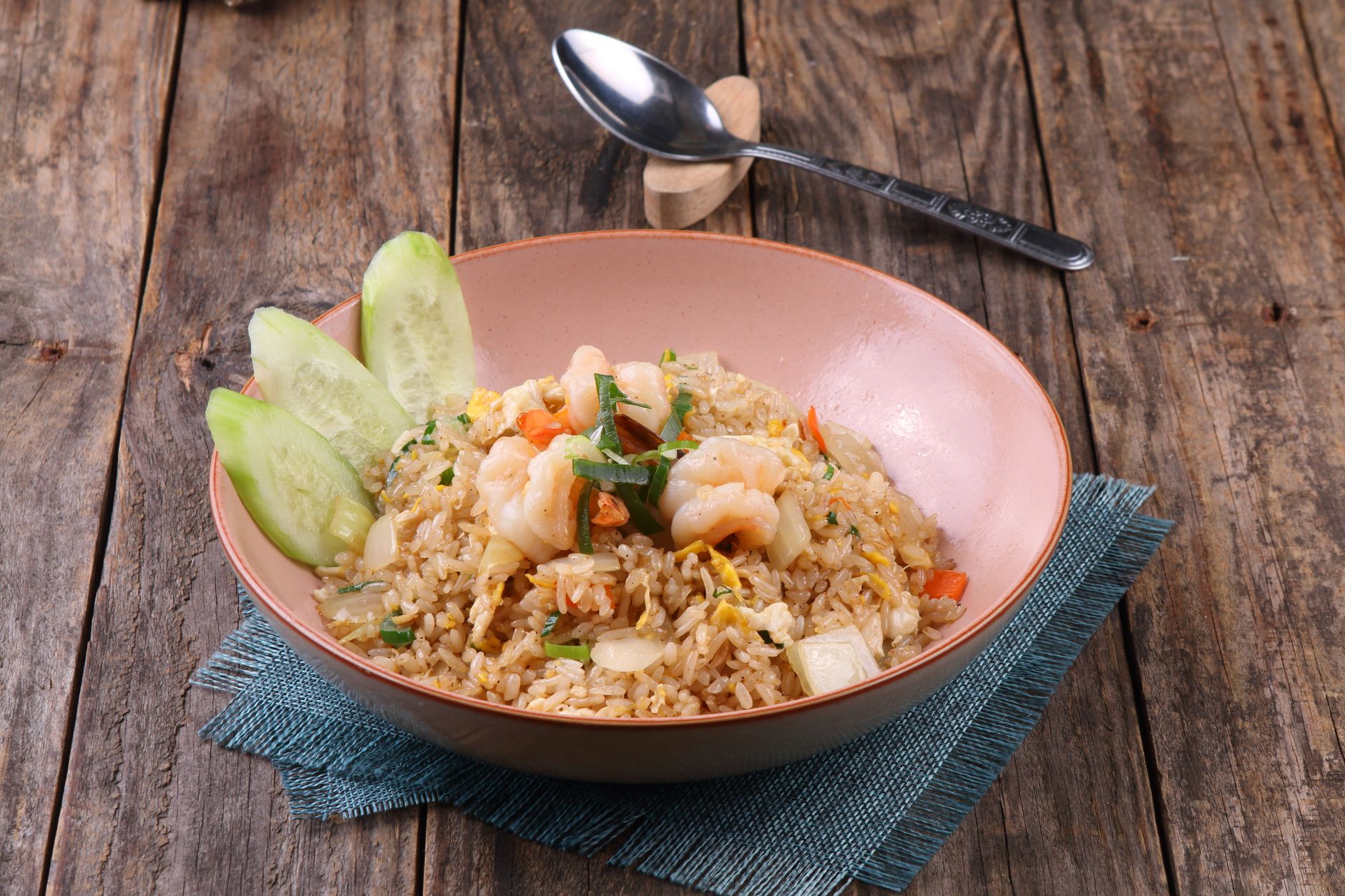
Fried rice is a beloved dish that can be found in various cuisines around the world. This versatile meal can showcase a wide range of flavors, textures, and ingredients, making it a popular choice for lunch, dinner, or even breakfast. But the key to achieving the perfect fried rice lies largely in the type of rice used.
Choosing the right kind of rice is essential for achieving that characteristic fluffy texture and flavor profile. In this article, we will explore the best types of rice for fried rice, their unique qualities, and how to prepare and use them effectively.
What Type of Rice for Fried Rice?
For fried rice, long-grain rice varieties, specifically jasmine and basmati rice, are generally the best choices. Their lower starch content yields a drier and fluffier texture, making them ideal for stir-frying and mixing with other ingredients. Additionally, using cold, day-old rice helps achieve better results. We will further examine various rice types, their benefits, and how they can impact your fried rice dish.
Types of Rice for Fried Rice
There are several types of rice that you can use to make fried rice. Below are the most common options, each with unique characteristics that affect the final dish.
1. Jasmine Rice
Jasmine rice is a long-grain variety known for its fragrant aroma and slightly sticky texture when cooked. Here are its characteristics:
- Texture: Fluffy yet slightly sticky, which allows it to clump together without becoming mushy.
- Flavor: Sweet, nutty flavor complements various ingredients.
- Usage: Ideal for Thai-style fried rice dishes or any recipe where a fragrant rice is desired.
2. Basmati Rice
Basmati rice, another long-grain variety, is known for its long, slender grains and aromatic qualities. Here’s what makes it great for fried rice:
- Texture: Non-sticky and fluffy, perfect for achieving individual rice grains in your fried rice.
- Flavor: Has a distinct floral aroma and nutty flavor profile.
- Usage: Pairs well with Indian-style fried rice dishes or any cuisine needing a fragrant rice base.
3. Long-Grain White Rice
Standard long-grain white rice is another solid choice for fried rice. Here’s how it stacks up:
- Texture: Remains fluffy and separate when cooked properly.
- Flavor: Mild flavor that works well with various seasonings.
- Usage: Good for a general fried rice mix with different proteins and vegetables.
4. Medium-Grain Rice
Medium-grain rice, such as Calrose rice, has a slightly stickier texture but can still be used for fried rice:
- Texture: More tender and moist, resulting in clumpiness.
- Flavor: Creamy flavor that enhances the dish.
- Usage: Suitable for fried rice dishes that are more Southern Asian or comfort-style.
5. Short-Grain Rice
Short-grain rice, commonly used in sushi, can also be employed in fried rice. Here’s its profile:
- Texture: Sticky and tender, which can result in a heavier dish.
- Flavor: Creamy, slightly sweet flavor.
- Usage: Best for specialty fried rice recipes where a sticky consistency is desired.
Why Cold, Day-Old Rice is Best
For optimal fried rice, always use cold, day-old rice. Freshly cooked rice tends to be moist and sticky, which can lead to clumping and sogginess in your fried rice. Here’s why cold rice is preferred:
- Reduced Moisture: Refrigerating cooked rice overnight allows moisture to evaporate, creating firmer grains.
- Texture: Cold rice holds its shape better when stir-fried, ensuring that each grain remains distinct.
- Flavor: Day-old rice often develops a richer flavor, enhancing the overall dish.
Preparing Rice for Fried Rice
Preparing your rice correctly is essential for a successful fried rice dish. Here’s a step-by-step guide:
- Wash the Rice: If using uncooked rice, rinse it under cold water until the water runs clear. This removes excess starch and prevents stickiness.
- Cook the Rice: Follow your preferred method—stovetop or rice cooker. Use the correct ratio of water to rice (commonly 1:1.5 for long-grain rice).
- Cool the Rice: Spread the cooked rice on a baking sheet to cool it quickly. Then refrigerate until ready to use.
Cooking Technique for Fried Rice
Cooking fried rice is not just about the ingredients but also the cooking technique. Follow these tips to ensure perfect results:
Essential Equipment
- Wok or large skillet
- Wooden spoon or spatula
- Chopping board and knife
- Measuring cups for liquids
Steps to Cook Fried Rice
- Heat the Pan: Preheat your wok or skillet over high heat. A well-heated pan ensures quick cooking and prevents sticking.
- Add Oil: Pour in a suitable cooking oil like vegetable, canola, or peanut oil. One to two tablespoons should suffice.
- Include Aromatics: Stir-fry minced garlic and onions until fragrant and slightly translucent, typically 1-2 minutes.
- Add Vegetables: Introduce vegetables, such as carrots, peas, and bell peppers. Stir-fry until slightly tender, about 2-3 minutes.
- Incorporate Proteins: Add pre-cooked proteins, such as chicken, shrimp, or tofu. Stir-fry for an additional 3-5 minutes until heated through.
- Add Rice: Break apart the cold, day-old rice and add it to the pan. Use your spatula to mix and distribute evenly.
- Add Seasoning: Drizzle soy sauce and a splash of sesame oil over the rice. Stir and toss until all ingredients are well combined.
- Finish with Egg (Optional): If desired, create a well in the center of the rice and crack in a couple of eggs. Scramble quickly before mixing into the rice.
- Garnish: Sprinkle chopped green onions or cilantro before serving.
Common Mistakes and Troubleshooting
Even with the best intentions, mistakes can happen while cooking fried rice. Here are some common errors and ways to troubleshoot:
- Rice Sticking Together: If using fresh rice, ensure it is cooled and dried. A high-heat pan is essential to reduce surface moisture.
- Overcooked Vegetables: Add vegetables according to their cooking times, depending on the type. More tender vegetables should go in later in the process.
- Bland Flavor: Always taste and adjust seasoning throughout cooking. Add more soy sauce or seasoning as desired.
- Soggy Texture: If overcooked, the rice will become mushy. Make sure to stir-fry on high heat and don’t cover the pan for too long.
Popular Variations of Fried Rice
Fried rice can be a canvas for various flavors and ingredients. Here are some popular variations:
1. Yangzhou Fried Rice
A classic Chinese dish, Yangzhou Fried Rice typically incorporates diced ham, shrimp, and various vegetables, seasoned with soy sauce and sesame oil.
2. Thai Pineapple Fried Rice
This vibrant dish combines fried rice with pineapple chunks, cashews, and typically yellow curry powder, presenting a sweet and savory flavor.
3. Kimchi Fried Rice
A popular Korean version, this fried rice is stir-fried with kimchi for a robust, spicy flavor and often topped with a fried egg.
Storage and Reheating Guidance
If you have leftover fried rice, proper storage and reheating methods are essential to maintain quality:
- Storage: Allow fried rice to cool to room temperature before transferring it to airtight containers. Store in the refrigerator for up to 3 days or freeze for up to a month.
- Reheating: For best results, reheat in a skillet over medium heat with a splash of water or soy sauce, stirring frequently until heated through.
Choosing the right rice for fried rice is crucial to achieving the desired texture and flavor. Long-grain varieties like jasmine or basmati typically work best with cold, day-old rice providing the right firmness. Mastering the cooking technique and troubleshooting common mistakes will elevate your fried rice game.
For your next meal, experiment with different types of rice and variations of fried rice. Whether you settle on a classic Yangzhou fried rice or a spicy kimchi version, incorporating these tips will ensure a delightful dish every time.
Explore related recipes such as the Benihana Fried Rice Recipe or Puerto Rican Rice Recipe for more delicious rice-based dishes!