
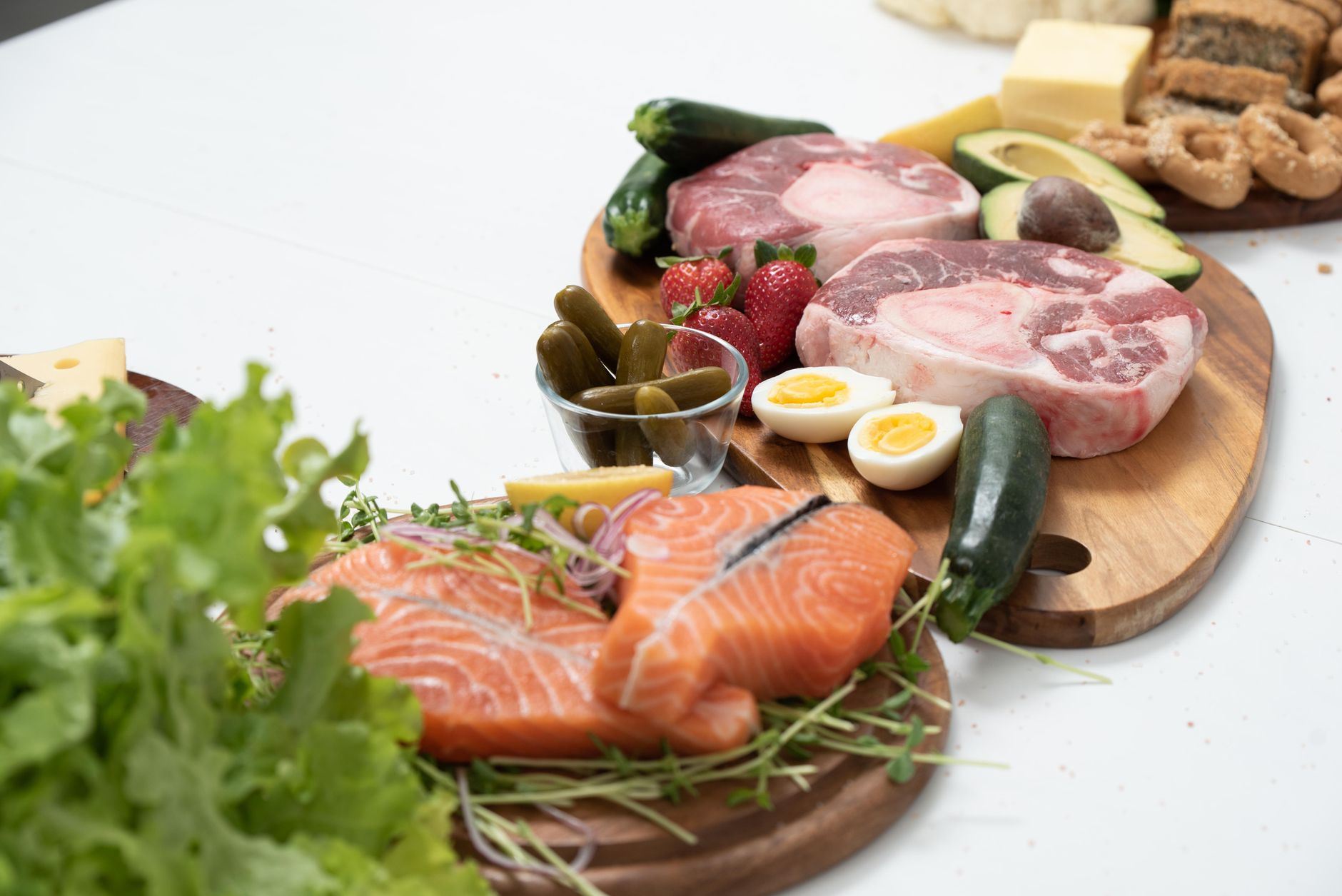
A low carb meal focuses on reducing carbohydrate intake while incorporating a balance of proteins and healthy fats. It often emphasizes vegetables, lean meats, nuts, seeds, and dairy products while minimizing grains, sugars, and starchy foods. Understanding what constitutes a low carb meal can greatly benefit those aiming for weight management or improved metabolic health.
This article defines low carb meals, outlines their nutritional components, suggests serving sizes, and offers guidelines for meal planning to help anyone desiring to embrace a low carb lifestyle.
What Is a Low Carb Meal?
Low carb meals are dishes that typically contain a reduced amount of carbohydrates compared to standard dietary guidelines. Generally, a low carb diet aims for less than 20-50 grams of carbohydrates per day. These meals often replace carbs with proteins and fats, making them satisfying and conducive to appetite control and weight loss.
The core components of low carb meals include non-starchy vegetables, quality protein sources, and healthy fats. Understanding these categories helps in creating balanced meals that nourish the body while aligning with dietary preferences.
Nutritional Components of a Low Carb Meal
1. Non-Starchy Vegetables
Non-starchy vegetables are key in a low carb meal as they provide essential vitamins, minerals, and fiber without many carbohydrates. Examples include:
- Spinach
- Kale
- Broccoli
- Cauliflower
- Bell peppers
- Asparagus
- Zucchini
- Green beans
These vegetables can be enjoyed raw, steamed, sautéed, or roasted and serve as an excellent base for many meals.
2. Protein Sources
Protein is another essential component, as it helps in muscle maintenance and may promote satiety. Good sources of protein for low carb meals include:
- Chicken breast
- Beef
- Pork
- Fish (e.g., salmon, tuna)
- Eggs
- Tofu and tempeh (plant-based options)
Aim for high-quality protein sources that are minimally processed and rich in healthy nutrients.
3. Healthy Fats
Healthy fats are crucial in a low carb meal, as they provide energy and improve the absorption of fat-soluble vitamins. Healthy fat options include:
- Avocado
- Nuts and seeds (e.g., almonds, chia seeds, flaxseeds)
- Olive oil
- Coconut oil
- Butter or ghee
These fats add flavor and richness to meals and can help support healthy hormonal balance and improve overall well-being.
Recommended Serving Sizes for Low Carb Meals
When planning low carb meals, it is essential to understand appropriate serving sizes based on individual nutritional needs and goals. Portion sizes may vary based on activity level, health status, and dietary preferences. Here are some general guidelines for each food category:
1. Vegetables
For non-starchy vegetables, aim for:
- 2-3 cups of mixed greens or salad vegetables per meal
- 1-2 cups of cooked vegetables (steamed, sautéed, or roasted)
2. Protein
For protein sources, generally recommended servings are:
- 4-6 ounces of meat, poultry, or fish
- 2-4 eggs
- 1 cup of tofu or tempeh
3. Healthy Fats
Include healthy fats in moderation, typically around:
- 2-4 tablespoons of olive oil or butter for cooking or dressing
- 1/4 to 1/2 avocado per meal
- Handful of nuts (1-2 ounces)
How to Create Low Carb Meals
Making low carb meals can be straightforward with some simple strategies. Here are steps to create balanced, low carb dishes:
Step 1: Choose a Base
Start with a base of non-starchy vegetables. Salads, stir-fries, or roasted vegetable bowls work well. Aim for a rainbow of colors to maximize nutrient diversity.
Step 2: Select Protein
Select a protein source that fits your taste. Consider using grilled chicken, baked fish, or cooked legumes and focus on cooking methods that do not add unnecessary carbohydrates, like frying.
Step 3: Add Healthy Fats
Incorporate healthy fats by drizzling extra virgin olive oil on salads, adding avocado slices, or seasoning with nuts and seeds.
Step 4: Spice It Up
Use herbs and spices to enhance flavor without adding carbs. Experiment with garlic, basil, rosemary, and pepper to create delicious taste profiles.
Step 5: Experiment and Adjust
Don’t be afraid to mix different ingredients and adjust portion sizes based on your individual preferences and dietary needs. Keep track of what combinations you enjoy most.
Practical Tips for Low Carb Meal Planning
Planning low carb meals can save time and ensure that you have healthy options available. Here are some practical tips:
1. Meal Prep
Set aside a few hours each week to batch cook and prepare ingredients. Roasting a large tray of vegetables, grilling multiple protein portions, or making sauces can simplify meal times during the week.
2. Create a Weekly Menu
Develop a weekly menu that outlines the meals you plan to eat each day. This will help you stay organized and shop efficiently.
3. Shop Smart
Stick to the perimeter of the grocery store where fresh produce, proteins, and dairy products are typically found. Avoid aisles filled with packaged, high-carb foods.
4. Keep Snacks Handy
Prepare low carb snacks such as cheese sticks, nut mixtures, or veggie sticks with hummus to help curb hunger between meals without overdosing on carbs.
Common Mistakes to Avoid with Low Carb Meals
While adopting a low carb diet, there are pitfalls to watch out for. Here are some mistakes to avoid:
1. Not Enough Fiber
Many people mistakenly think low carb means no vegetables. Always aim to incorporate plenty of low-carb, fiber-rich veggies to promote digestive health.
2. Ignoring Caloric Intake
Just because a meal is low in carbs does not mean it is calorie-free. Pay attention to portion sizes, especially with high-calorie fats.
3. Relying on Processed Foods
Many so-called low carb products on the market can be highly processed, loaded with unhealthy additives, and still high in calories. Opt for whole foods whenever possible.
Versatile Low Carb Meal Ideas
To inspire your low carb meal preparation, here are some versatile meal ideas:
1. Breakfast
Start your day with a low carb breakfast option like a veggie omelet or a chia seed pudding made with coconut milk. Combine eggs with spinach, mushrooms, and cheese for a satisfying morning meal.
2. Lunch
Create a hearty salad using mixed greens topped with grilled chicken, avocado, nuts, and a low-carb vinaigrette. Alternatively, consider zucchini noodles (zoodles) topped with meatballs and marinara sauce for a comforting lunch.
3. Dinner
Try pan-seared salmon with a side of roasted Brussels sprouts and a generous drizzle of lemon butter sauce. Another option is a stir-fry made with your choice of protein and assorted non-starchy vegetables.
4. Snacks
When snacking, opt for raw veggies with a creamy dip, hard-boiled eggs, or cheese crisps. These options keep you within your carb limits while also satisfying your hunger.
Make-Ahead Low Carb Meals
Meal prepping low carb meals can make it easier to stay on track during busy weeks. Consider these make-ahead options:
1. Egg Muffins
Whisk eggs with your choice of veggies and protein, pour into muffin tins, and bake for portable breakfast bites.
2. Cauliflower Fried Rice
Make a batch of cauliflower rice stir-fried with vegetables and your protein of choice for quick meals. This dish reheats well and can be portioned for multiple servings.
3. Slow Cooker Meals
Prepare a low carb chili or stew using the slow cooker. It develops deep flavor and can be served over a bed of greens for added nutrients.
Storage and Reheating Tips for Low Carb Meals
Proper storage is vital for maintaining the flavor and nutritional value of your low carb foods. Here’s how to keep your meals fresh:
1. Refrigeration
Store cooked meals in airtight containers in the refrigerator for 3-4 days. Label containers with the date to keep track of freshness.
2. Freezing
If you wish to keep meals longer, consider freezing portions. Freeze items in meal-sized portions, allowing for quick thawing and reheating.
3. Reheating
When it comes time to reheat, use the oven or stovetop for best results. Microwaving can lead to uneven heating and texture changes in certain foods.
Conclusion
Understanding what a low carb meal is and how to prepare one can significantly improve your dietary habits. Focus on fresh, whole ingredients, balance protein and healthy fats, and be mindful of portion sizes to create meals that align with your preferences and health goals. Start planning your meals today for a successful low carb lifestyle.
For more delicious ideas, check out our Chia Pudding Recipe and learn how to bake a delightful Keto Banana Bread.