
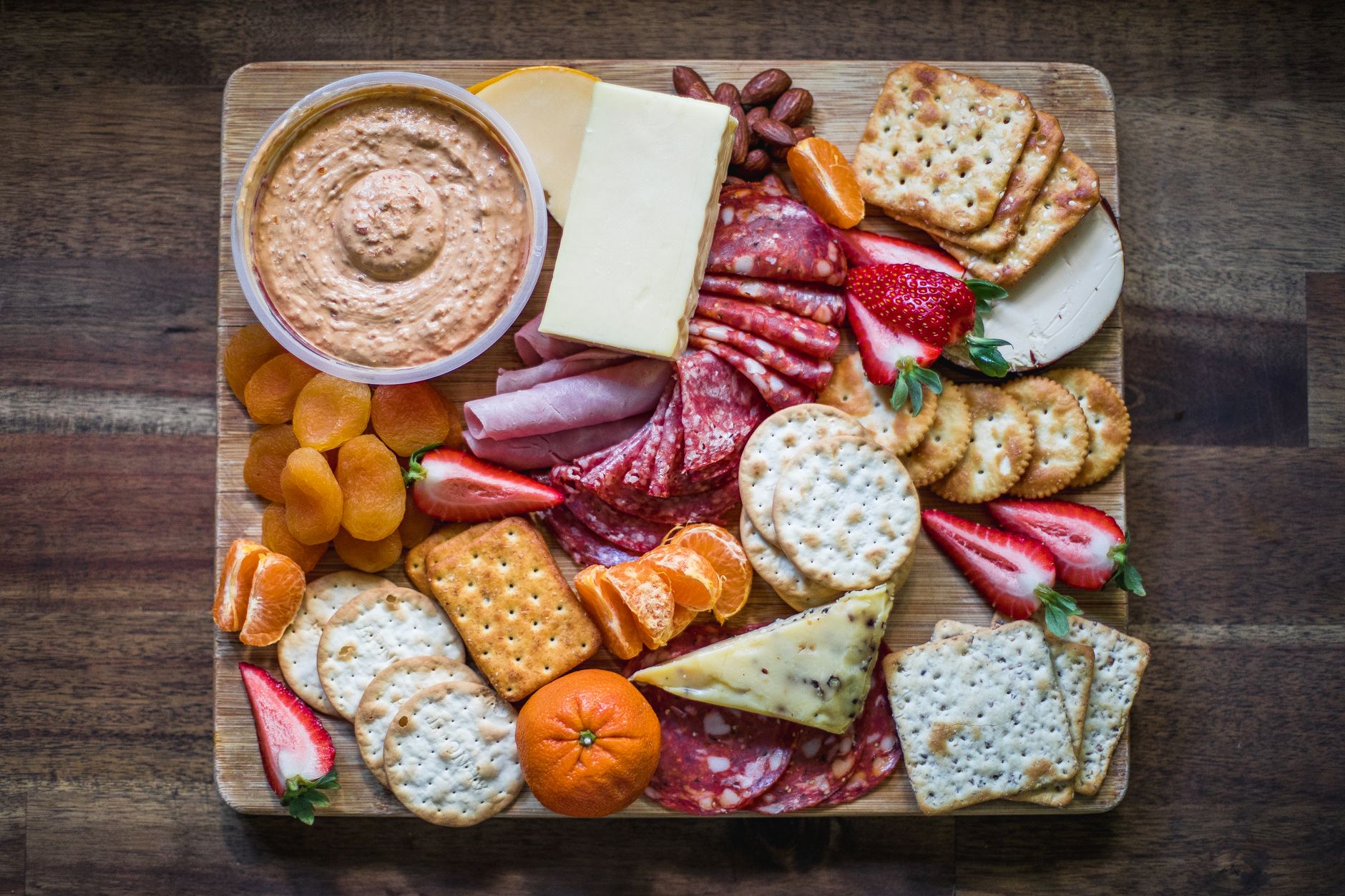
When navigating the world of cured meats, two names that often come up are Genoa salami and hard salami. Both are delicious options for sandwiches, charcuterie boards, or snacking, but they have distinct characteristics that set them apart. Understanding the differences between these two types of salami can enhance your culinary experiences.
This article will explore the taste, texture, cooking uses, and preparation methods for both Genoa and hard salami. Whether you are planning a gathering or just looking to elevate your mealtime, knowing these details will help you make informed decisions in the kitchen.
What Is The Difference Between Genoa Salami And Hard Salami?
The key differences between Genoa salami and hard salami lie in their ingredients, flavor profiles, textures, and typical culinary uses. Genoa salami is typically made from pork and is characterized by its softer, fattier texture and a more robust flavor profile, often seasoned with wine, garlic, and various spices. In contrast, hard salami has a firmer texture, is usually made from a combination of pork and beef, and features a more straightforward, savory taste.
An Overview of Genoa Salami
Genoa salami can be traced back to the Genoa region of Italy, where it has a rich history as a beloved cured meat. The production involves grinding pork (sometimes mixed with a bit of beef) and blending it with various spices and seasonings, as well as red wine.
Taste and Flavor Profile
Genoa salami is known for its complex flavor, which can vary slightly depending on the exact recipe used. Common ingredients include:
- Pork (sometimes beef)
- Garlic
- Salt
- Black pepper
- Red wine
- Spices such as coriander and nutmeg
These ingredients combine to create a slightly sweet yet savory flavor, with hints of nuttiness and spice, making it quite distinctive among salamis.
Texture
In terms of texture, Genoa salami is softer and greasier than hard salami. The fat content is higher, which contributes to its moist mouthfeel. This characteristic makes it easy to slice thinly and ideal for sandwiches or wraps.
Culinary Uses
Genoa salami shines in a variety of culinary contexts:
- Charcuterie Boards: Its rich flavor makes it a perfect addition to charcuterie boards, pairing well with cheeses, olives, and crusty bread.
- Sandwiches: Genoa salami adds a unique depth of flavor to subs, sandwiches, and paninis.
- Pizza Topping: It can also be used as a topping on pizzas for an added flavor boost.
When cooking with Genoa salami, avoid excessive heat, as this may cause the delicate flavors to be diminished.
An Overview of Hard Salami
Hard salami, on the other hand, has its roots in Central European culinary traditions, particularly among German and Eastern European cultures. It is known for its dense texture and is typically air-dried and fermented for flavor development.
Taste and Flavor Profile
Hard salami is typically made from pork and beef, with simple, robust seasoning. Common ingredients include:
- Pork
- Beef
- Salt
- Garlic
- Spices such as black pepper and coriander
This salami has a straightforward, savory flavor and lacks the sweetness found in Genoa salami. It tends to have a more meaty taste, which can appeal to those who prefer milder salami options.
Texture
Hard salami is firmer and drier compared to its Genoa counterpart. Its lower fat content contributes to this characteristic, providing a satisfying chewiness that stands up well in various applications.
Culinary Uses
Hard salami is extremely versatile and can be used in numerous culinary scenarios:
- Charcuterie Boards: Just like Genoa, hard salami is a great option for charcuterie boards, often sliced into thicker pieces for a heartier offering.
- Sandwiches and Wraps: Especially popular in deli sandwiches, hard salami works well with a variety of cheeses and condiments.
- Snacking: Many people enjoy hard salami as a snack on its own or paired with crackers.
- Cooked Dishes: It can also be diced and added to pasta dishes, omelets, or stir-fries for depth of flavor.
Key Differences in Preparation
The methods of preparation for these two types of salami can differ considerably.
Genoa Salami Preparation
When producing Genoa salami, the meat is finely ground and mixed with seasonings before being stuffed into casings. The salami is then fermented at controlled temperatures. The fermentation process contributes to its distinct flavors. Finally, the salami is air-dried until it reaches the desired texture and flavor, which can take several weeks.
Hard Salami Preparation
For hard salami, preparation involves coarser grinding of the meat and spices. The mixture is then stuffed into cylindrical casings, which helps achieve its signature firmness. The salami undergoes smoking or air-drying, which not only enhances its flavor but also contributes to its longer shelf life.
Serving Suggestions
When serving these two types of salami, consider incorporating complementary ingredients to highlight their distinct flavors.
Genoa Salami Serving Ideas
- Cheese Pairings: Try it with creamy cheeses like brie or tangy goat cheese.
- Fruits: Fresh fruits such as figs or apricots balance its richness.
- Breads: Pair with crusty bread or soft rolls for sandwiches.
Hard Salami Serving Ideas
- Cheese Pairings: Hard cheeses like cheddar or gouda work well with hard salami.
- Condiments: Add mustard or spicy aioli to sandwiches to complement the salami.
- Vegetable Pairings: Pepperoncini or pickles can add brightness and acidity.
Nutritional Considerations
While both types of salami can be part of a balanced diet, it’s important to consume them in moderation due to their sodium and fat content. Here’s a brief comparison:
- Genoa Salami: Generally higher in fat and calories, often featuring around 300 calories per 100 grams.
- Hard Salami: Lower in fat and calories, averaging about 250-300 calories per 100 grams.
Always check nutrition labels as they can vary based on brands and preparation methods.
Common Substitutions and Variations
While Genoa salami and hard salami each offer unique flavors, it’s possible to use alternatives in recipes if necessary.
Substitutions
- For Genoa Salami: Consider using other soft, flavorful cured meats like fontina or a smoked turkey if you prefer a less fatty option.
- For Hard Salami: Prosciutto or pepperoni can be a good substitute, although they will alter the flavor profile somewhat.
Variations
Explore fresh flavors by using flavored salamis, such as truffle salami or spicy varieties, to add excitement and depth to your dishes.
Common Mistakes When Working with Salami
When preparing and serving salami, here are a few common mistakes to avoid:
- Overcooking: Both Genoa and hard salami can lose their flavors if exposed to high heat.
- Improper Pairings: Make sure to pair salamis with compatible flavors to create a balanced dish.
- Ignoring Quality: Always invest in high-quality salami to ensure depth of flavor and appropriate texture.
Storage and Shelf Life
Proper storage of salami is crucial for maintaining quality and safety. Here are some tips:
Unopened Salami
Unopened packages can generally be stored in a cool, dry place, like a pantry, for a longer shelf life. It is best consumed within the expiration date provided on the package.
Opened Salami
Once opened, both Genoa and hard salami should be refrigerated. Wrap them tightly in plastic wrap or aluminum foil, as this helps to prevent moisture loss and spoilage. Consume within one week for the best quality.
Freezing Salami
If you need to store salami for a longer period, freezing is an option. However, it may alter the texture slightly upon thawing. Wrap tightly in freezer-safe packaging and store for up to two months.
Conclusion
Understanding the differences between Genoa salami and hard salami can help you make more informed choices when it comes to your meals and entertaining. Both options bring their own unique flavors and textures to the table, making them worthy of attention in various culinary contexts. Whether you’re planning a charcuterie board or simply looking to enhance your sandwich, knowing these distinctions can elevate your dining experience.
For more insights on cured meats, consider exploring information about how salami fits into your diet or what to include on your charcuterie board. Check out our articles on salami health benefits and charcuterie board essentials for further guidance on these delicious delicacies.