
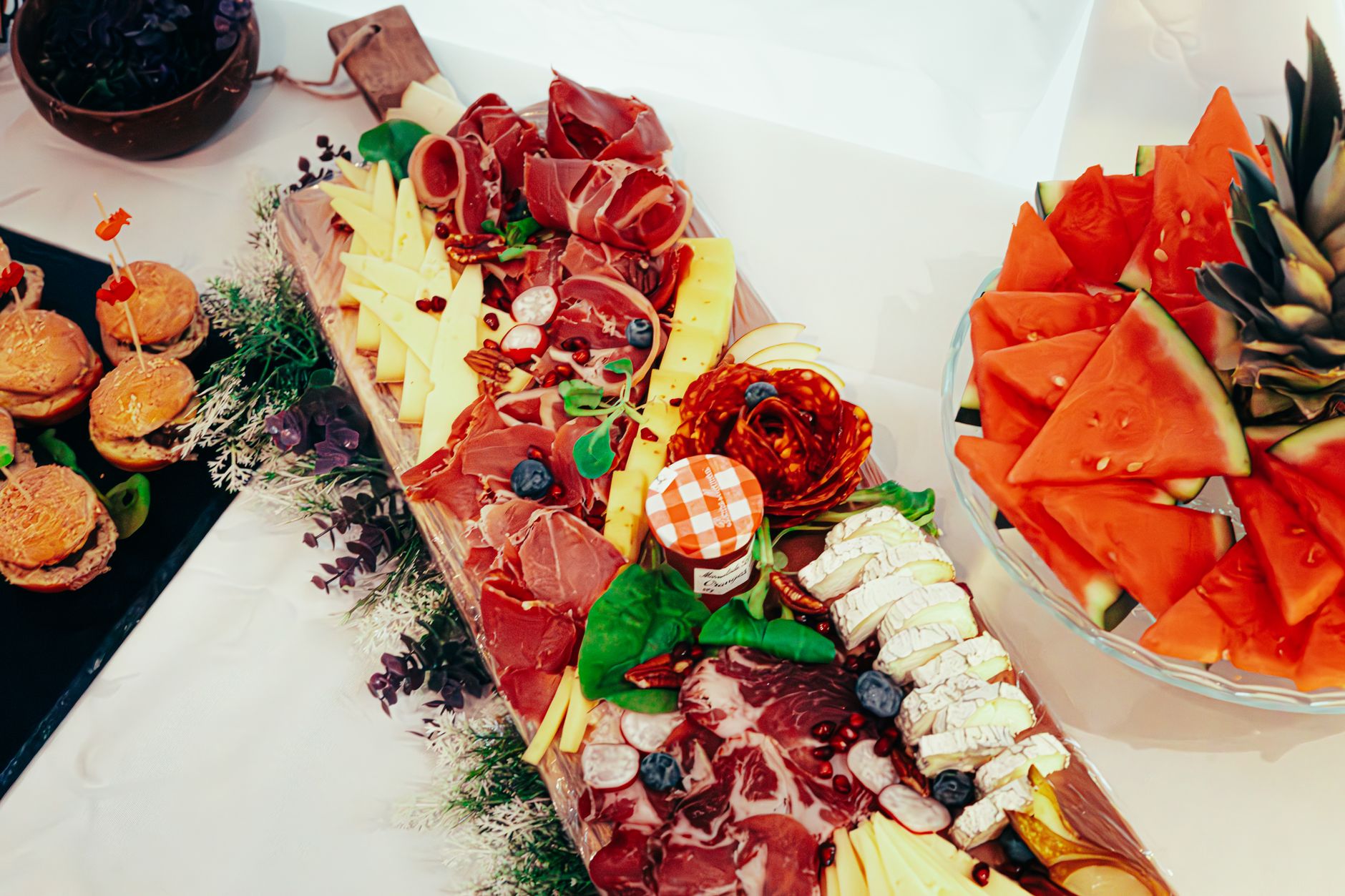
A charcuterie board is a delightful and visually appealing way to present a variety of meats, cheeses, fruits, nuts, and condiments. It serves as both an appetizer and a centerpiece for gatherings, inviting guests to enjoy a relaxed experience of sharing and sampling. The beauty of a charcuterie board lies in its versatility, allowing for an almost endless combination of flavors and textures.
This guide covers everything you need to know about creating the perfect charcuterie board, including the essential ingredients, presentation tips, and ideas to suit various occasions. Whether you’re hosting a party, celebrating a holiday, or simply enjoying a quiet evening, a charcuterie board can elevate your dining experience.
What Goes On A Charcuterie Board?
A well-balanced charcuterie board typically features cured meats, cheeses, fresh and dried fruits, nuts, crackers or bread, and condiments. The key is to provide a range of flavors and textures that complement each other. Explore the essential components and get inspired for your next creation.
Essential Ingredients for Your Charcuterie Board
Cured Meats
Cured meats form the star of any charcuterie board. Examples include:
- Prosciutto: This dry-cured ham has a delicate flavor and a melt-in-your-mouth texture.
- Salami: Available in various varieties—from classic Genoa to spicy calabrese—salami provides a robust, savory addition.
- Chorizo: This spicy Spanish sausage is bold in flavor and adds a nice kick to the mix.
- Bresaola: Air-cured and typically lean, bresaola offers a tender texture and rich flavor.
Cheeses
Cheeses can easily elevate the taste and experience of your charcuterie board. Consider featuring:
- Brie: A soft, creamy cheese that pairs wonderfully with fruit and nuts.
- Cheddar: Sharp or mild, cheddar adds a comforting familiarity.
- Blue Cheese: Its pungent flavor provides an excellent contrast to sweeter components.
- Goat Cheese: Soft and tangy, it’s a great spreadable option that pairs well with various accompaniments.
Fruits
Both fresh and dried fruits bring sweetness and color to a charcuterie board. Choose from:
- Fresh Grapes: Their crispiness and juiciness balance the richness of meats and cheeses.
- Apple Slices: A popular choice, especially when paired with cheese.
- Fig or Pear Slices: Their sweetness works beautifully with saltier items.
- Dried Apricots or Figs: They provide chewy texture and concentrated sweetness.
Nuts
Nuts add crunch and are a terrific source of protein. Consider including:
- Almonds: Their mild flavor complements many cheeses and meats.
- Walnuts: Earthy and slightly bitter, they add a distinct flavor profile.
- Pistachios: These are fun to crack open and add a vivid color contrast.
Crackers and Breads
Selecting crackers and bread can truly enhance your charcuterie board. Aim for variety:
- Water Crackers: Neutral-flavored, these allow cheese and meats to shine.
- Baguette Slices: A classic option, great for spreading cheese or toppings.
- Rye or Seeded Crackers: They can add a unique flavor and a hearty texture.
Condiments
Condiments can enhance flavors and provide contrast. Consider these options:
- Mustard: A grainy or spicy mustard can elevate meats nicely.
- Honey: Sweet honey pairs well with cheese, particularly blue cheese and goat cheese.
- Olives: Their briny taste adds a savory note and a touch of Mediterranean flair.
- Fig Jam: A sweet spread that works wonderfully with salty cheeses.
How to Assemble a Charcuterie Board
Assembling a striking and appetizing charcuterie board is an art form. Follow these steps to create a visually stunning display:
- Start with a Base: Choose a large cutting board, wooden platter, or slate board as your base. Consider size depending on the number of guests.
- Arrange the Meats: Start by placing the cured meats on one side. Fold or roll the slices for an appealing presentation.
- Add Cheese: Space the cheese options around the meats. Vary the sizes and shapes for visual interest.
- Incorporate Fruits: Fill in gaps with fresh fruits and dried fruits, balancing color and texture.
- Place Nuts: Scatter nuts in small piles near the fruits or meats, ensuring to keep the board balanced.
- Include Crackers and Breads: Arrange these along the cusp of the board for easy access. They can be placed vertically for a stylish look.
- Finish with Condiments: Add small bowls of condiments in empty spaces to offer guests a dip or spread option.
- Garnish: Consider fresh herbs or edible flowers for a finishing touch that enhances visual appeal.
Presentation Tips and Ideas
Making a charcuterie board visually appealing is just as important as the flavors it contains. Here are some tips and creative ideas:
- Color Balance: Pay attention to colors, aiming for a mix of vibrant reds, greens, yellows, and browns.
- Vary Textures: Combine hard cheeses and crispy crackers with softer cheeses and fruits for an engaging mouthfeel.
- Layering: Use elevated elements like small crates or tiered platters to create dimension.
- Themed Boards: Consider a seasonal theme, such as fall flavors with pumpkin spice cheese and spiced nuts.
Creative Charcuterie Board Ideas
Here are some themed charcuterie board ideas to inspire your next gathering:
- Breakfast Charcuterie: Include items such as pancakes or waffles cut into bite-sized pieces, yogurt, fresh fruits, granola, and maple syrup.
- Brunch Board: Mix bagels, cream cheese, smoked salmon, capers, and fresh veggies for a delightful twist.
- Dessert Charcuterie: Feature chocolates, cookies, fruits, nut butters, and perhaps a few sweet cheeses.
- Vegetarian Charcuterie: Use an array of marinated vegetables, cheeses, fruits, and crackers—satisfying for non-meat eaters.
Troubleshooting Common Charcuterie Board Mistakes
While assembling a charcuterie board is generally simple, some common pitfalls can be easily avoided:
- Overcrowding: Leaving too much unused space or packing too much in can look uninviting. Balance is key!
- Ignoring Pairings: Be mindful of flavor profiles; avoid opposites that clash. For example, pairing a sweet cheese with a very spicy salami might create disconnect.
- Improper Storage: If preparing in advance, store meats and cheese properly to prevent spoilage before serving.
Make-Ahead Options
Preparing a charcuterie board doesn’t always have to be last-minute. Here’s how to get ahead:
- Pre-cut Items: Pre-slice cheeses and meats the night before and store in airtight containers.
- Fruits and Condiments: Wash and prepare fruits in advance, and store condiments in their original containers in the refrigerator.
- Choose Durable Items: Items like nuts and hard cheeses can be prepared well ahead of time without worry.
Storage and Reheating Guidance
Proper storage ensures that any leftovers from your charcuterie board remain fresh:
- Meats and Cheeses: Keep any uneaten cured meats or cheeses refrigerated in airtight containers.
- Fruits: Store cut fruits in separate containers to prevent browning; they may only last a day or two.
- Nuts: Store in a cool, dry place; they can retain freshness longer than other components.
Serving Suggestions
Enhance the charcuterie experience further with these serving suggestions:
- Accompanying Beverages: Offer a selection of wines, craft beers, or non-alcoholic options to complement the flavors.
- Utensils: Provide small forks, toothpicks, or cheese knives to make sampling easy and clean.
- Plating Options: Consider elegant platters for a sophisticated touch or rustic boards for a more casual feel.
A charcuterie board is more than just a collection of foods; it’s a celebration of flavors and creativity. By carefully selecting and arranging your ingredients, you’ll create a spread that not only looks appealing but also tantalizes the taste buds. With this guide, you’ll be able to put together a charcuterie board that satisfies all tastes, making every gathering memorable.
Ready to enhance your charcuterie skills? Explore our delicious marinated cheese recipe to add even more flavor to your charcuterie board, or check out our cottage cheese dip recipe for a creamy addition. Enjoy crafting beautiful spreads!